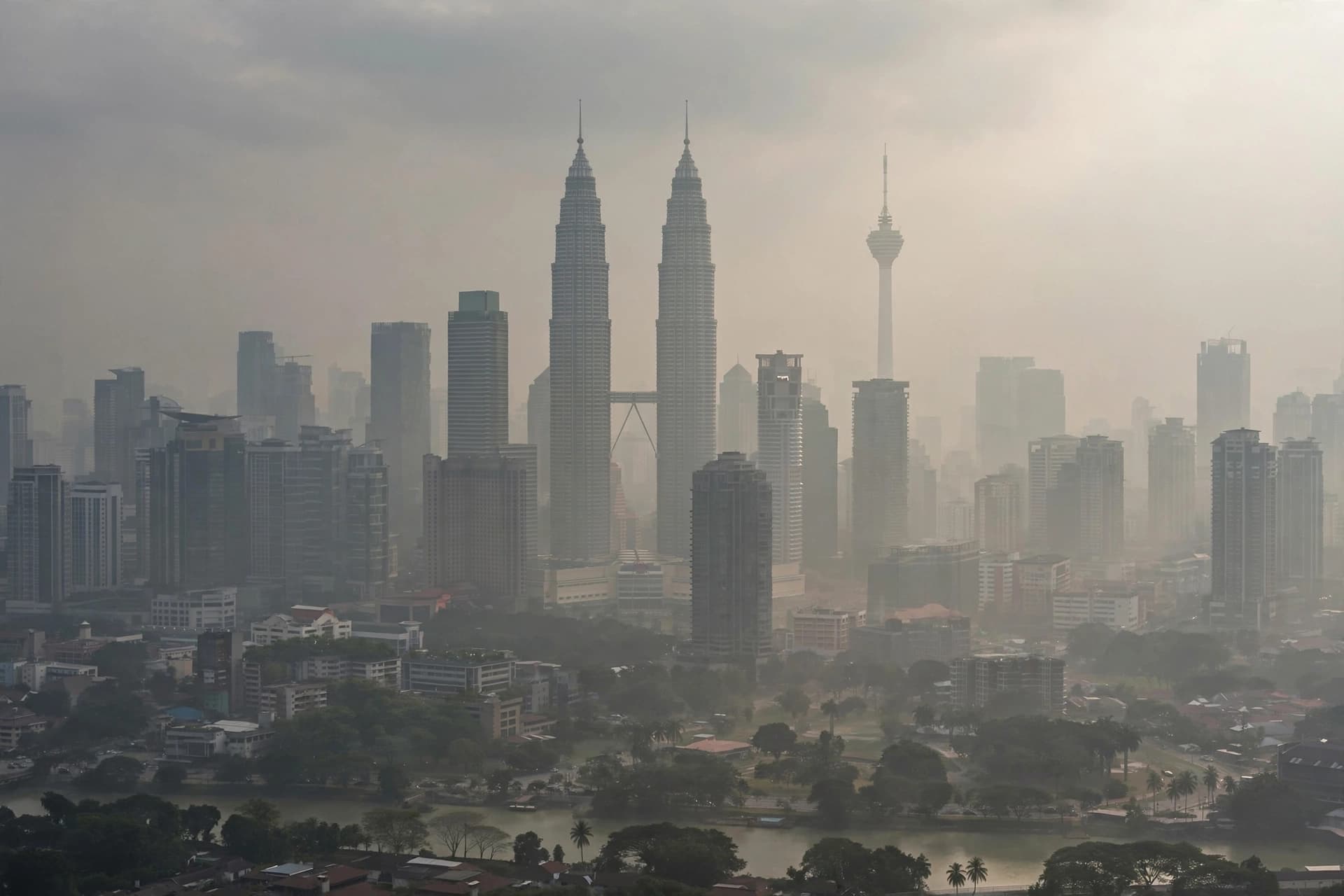
Some mornings begin with a familiar view of rooftops, trees, and distant buildings softened by the light. But when smoke settles over a city, the landscape changes. The horizon becomes less distinct, outdoor activity slows, and ordinary routines may have to be reconsidered. In Malaysia, deteriorating air quality brought that disruption directly into the school day.
On October 9, Malaysia's Education Ministry announced school closures across several states and federal territories because of unhealthy air pollution levels. The haze was attributed to smoke from forest fires in neighbouring Indonesia, according to Reuters. The measure was intended to protect students and school staff while air conditions remained a concern.
For families, a school closure changes more than a timetable. Parents may need to rearrange work, find supervision for children, or adapt to lessons delivered through alternative arrangements where available. Teachers and school administrators must also communicate quickly, helping families understand what is happening and when normal routines might resume.
The situation reflects a recurring environmental challenge in Southeast Asia. Smoke produced by fires can travel across national borders, carried by wind and weather patterns. As a result, the effects of a fire are not necessarily limited to the location where it begins. Communities far from the original source may experience reduced visibility, poor air quality, and interruptions to public services.
Air pollution can also affect businesses and workers. When outdoor conditions become unhealthy, construction crews, delivery workers, transport operators, and other people whose jobs take them outside may face additional risks. Employers may need to review work schedules, provide protective measures, or limit certain activities until conditions improve.
The wider economic effects are difficult to measure from a single day of closures. If haze persists, disruptions can spread to childcare arrangements, local commerce, transport, and tourism. The scale depends on the severity and duration of pollution, the areas affected, and the ability of communities to adapt. A short interruption may be manageable; a prolonged episode places greater pressure on households and businesses.
The episode also demonstrates the limits of treating air pollution as a purely local issue. Monitoring stations and public warnings can help authorities respond, but smoke crossing borders requires cooperation between neighbouring countries. Prevention, fire management, land-use practices, and timely information all matter because the consequences of uncontrolled fires can extend well beyond the immediate area.
For schools, clear communication is especially important. Families need to know when closures apply, what alternatives are available, and which official updates should guide their decisions. Reliable information allows parents and teachers to respond calmly rather than relying on rumours or incomplete readings of local conditions.
The return to normal schooling will depend on improvements in air quality and guidance from the relevant authorities. Until then, the closed classrooms offer a visible reminder of a problem that often begins far from the people who experience its effects. Across Southeast Asia, cleaner air depends not only on how communities respond to haze, but also on how effectively the underlying causes are addressed.
### AI Image Disclaimer
These AI-generated illustrations represent general haze and school-closure conditions in Southeast Asia. They are not actual photographs of the affected Malaysian schools or the specific haze episode.
### Sources
Reuters Malaysia Ministry of Education Malaysia Department of Environment
Published by Banx Network. This article is part of the Banx decentralized media programme, powered by the BXE token on the XRP Ledger.