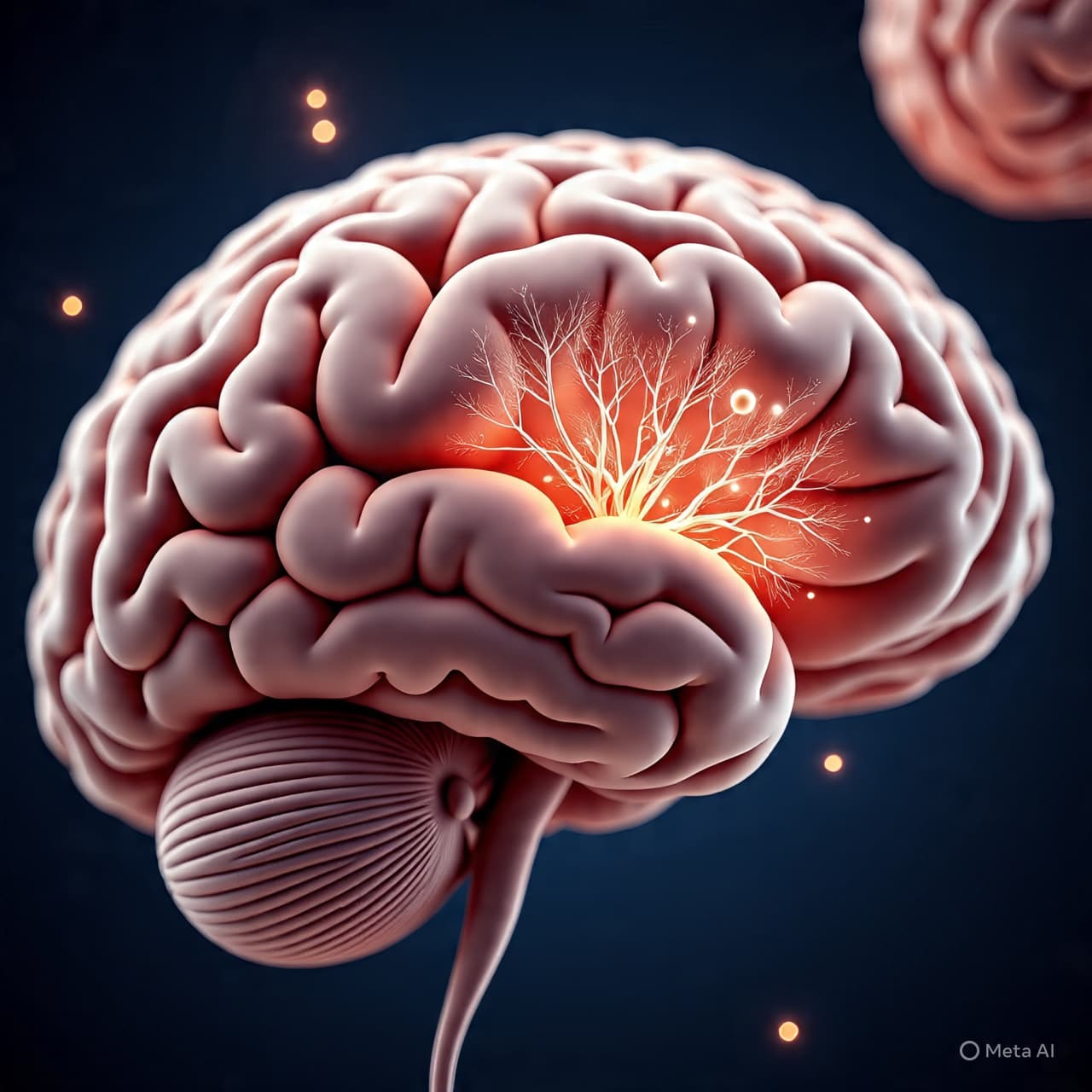
Brain cancer rarely offers easy narratives. Aggressive, adaptive, and shielded by the brain’s natural defenses, tumors such as glioblastoma have long resisted even the most advanced therapies. Progress, when it comes, is often incremental — measured in months, not miracles.
That is why a new early-stage study has drawn attention well beyond academic circles. Researchers report that a combination of widely available dietary supplements, when used alongside standard treatment, produced unexpected biological effects against brain cancer cells. The findings are preliminary, but they introduce a striking idea: familiar compounds may influence one of medicine’s most difficult battlegrounds.
The study focused on supplements already known for their roles in cellular metabolism and inflammation control. In laboratory models and early patient observations, the compounds appeared to disrupt cancer cell growth pathways, increase sensitivity to conventional therapies, and, in some cases, slow tumor progression markers. Importantly, these effects were observed without the severe toxicity often associated with experimental cancer drugs.
Scientists involved in the research stress restraint. This is not a cure, nor a replacement for surgery, radiation, or chemotherapy. The work represents an early signal — a biological response that warrants deeper investigation rather than immediate clinical adoption.
What makes the findings notable is not just the result, but the accessibility of the compounds. Unlike novel pharmaceuticals, these supplements are already widely used for general health, with known safety profiles at standard doses. That familiarity could accelerate research timelines if further trials confirm benefit, particularly in combination therapies where tolerability is critical.
The biological logic is increasingly persuasive. Brain tumors rely heavily on metabolic flexibility, inflammation signaling, and oxidative balance to survive hostile environments. Certain supplements may interfere with those processes, subtly weakening cancer cells while leaving healthy tissue relatively unharmed. In cancers where aggressive treatment often harms patients as much as tumors, even modest advantages matter.
Experts caution against self-medication. Dosage, formulation, timing, and interaction with existing therapies remain unresolved questions. Supplements that appear benign in one context can interfere with treatment effectiveness or cause harm when misused. Clinical oversight remains essential.
Still, the study reflects a broader shift in oncology research. Instead of searching only for stronger weapons, scientists are exploring ways to make cancer cells less resilient — to tip the balance rather than overwhelm it. In that strategy, simple compounds may have a role.
For patients and families facing brain cancer, hope must be handled carefully. Early research offers possibility, not certainty. Yet in a field where breakthroughs are rare and incremental gains can mean meaningful time, even cautious optimism carries weight.
The next steps will determine whether these early signals translate into real-world benefit. Larger trials, rigorous controls, and long-term outcomes will decide whether common supplements become uncommon allies in the fight against brain cancer — or remain an intriguing footnote in its long, difficult history.
Published by Banx Network. This article is part of the Banx decentralized media programme, powered by the BXE token on the XRP Ledger.