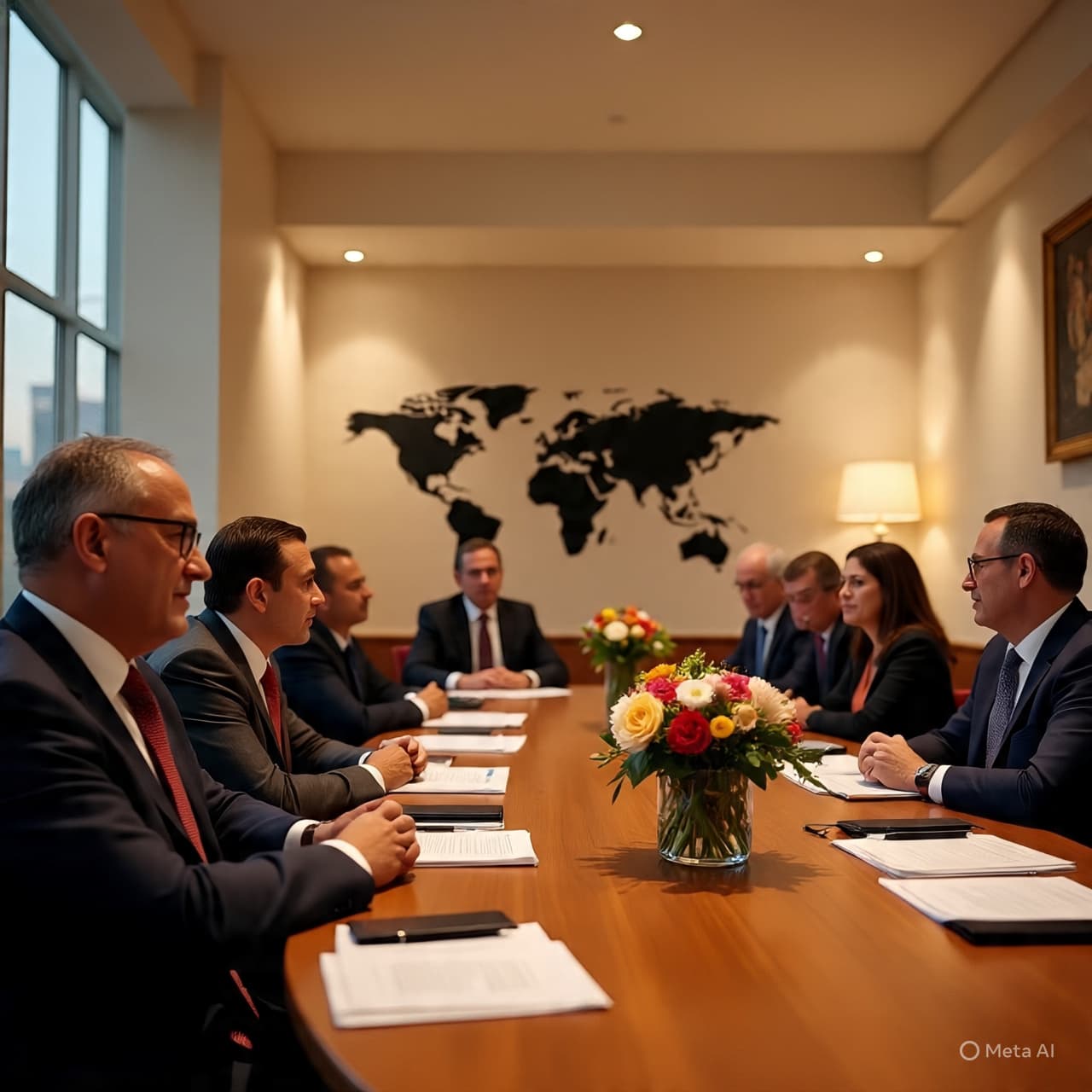
The sun hung low over Miami, slanting through palm fronds as diplomats and negotiators — weary yet determined — gathered in a hotel conference room. Outside, the Atlantic swelled in steady rhythm, a quiet counterpoint to the tension inside. In that stillness, it almost seemed possible: that after more than three years of war’s harsh noise, the world might tune, at last, to a different frequency — one of ceasefire, compromise, and reluctant hope.
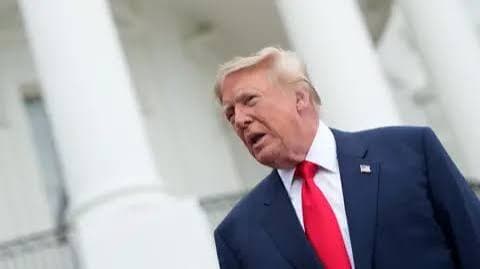
Inside, the talks moved slowly but steadily. Representatives of the United States and Ukraine — led by US envoy Steve Witkoff and Ukrainian negotiator Rustem Umerov (with military-top brass Andrii Hnatov by his side) — spent day after day poring over proposals, bridging rifts, testing language, reworking formulas. The blueprint under discussion is the peace plan associated with US President Donald J. Trump — a plan some call ambitious, others call controversial.
By Saturday, the two sides agreed that any “real progress” hinged not just on wordsmithing or frameworks — but on a third party’s willingness: namely, that Moscow would need to show genuine commitment to de-escalation, ending violence, and embracing a long-term peace. Ukrainian and American statements after a session described the talks as “productive,” though they underscored that no agreement yet exists and that many difficult issues remain unresolved, especially around security guarantees, sovereignty, and territorial questions.
For Ukraine, the process has been cautious. The draft peace plan being reworked in Miami was reportedly pared down from earlier versions — in response to Kyiv’s insistence that sovereignty not be compromised. Still, broad agreement on preliminary principles and shared goals — end of war, civilian safety, future security safeguards — has laid groundwork that both sides hope could evolve into something lasting.
And yet outside the meeting rooms, reality remains harsh. As diplomats debate, artillery and missiles strike. On the very night the talks advanced, reports emerged of fresh attacks across Ukraine — infrastructure hit, lives harmed, cities under warning. The war continues, indifferent to deadlines, schedules, or goodwill gestures.
In the gentle Miami twilight, then, optimism is tempered by urgency. The negotiators know the stakes — not just for treaty pages or diplomatic prestige, but for children who cannot sleep under sirens, for families living by candle-light in winter cold, for a country battered yet unbowed.
At present: the talks remain ongoing. What has emerged so far is a fragile but shared commitment — to talk, to revise, to hope. Yet the ultimate outcome may hinge on one thing above all: whether Moscow is ready, truly ready, to trade tanks and drones for paper and trust. For now, the world waits.
AI Image Disclaimer: “Graphics are AI-generated and intended for representation, not as real photographs.”
Sources: AFP / Reuters / Arab News; Axios; The Guardian; Antara (Indonesian coverage of Zelenskyy statements).
Published by Banx Network. This article is part of the Banx decentralized media programme, powered by the BXE token on the XRP Ledger.