Honda is beginning a major cost-reduction effort as the Japanese automaker responds to intensifying competition in the global vehicle market. The company aims to reduce costs by more than $9 billion over the next four years, according to internal documents reviewed by Reuters and people familiar with the matter.
The target is equivalent to about 1.5 trillion yen by 2030. Honda has instructed suppliers to significantly reduce prices, with the effort extending across several categories of components used in its vehicles.
The company is seeking a 30% reduction in costs for pressed and forged components, electrical parts and components connected to software-defined vehicles. Suppliers have also been encouraged to examine standardized parts and sourcing arrangements further down their supply chains.
Reuters reported that Honda managers met major suppliers in Utsunomiya, north of Tokyo, during the spring. Suppliers were subsequently given individual targets as Honda began translating its broader savings plan into specific procurement measures.
The effort comes as Chinese electric-vehicle manufacturers expand in several international markets. Reuters reported that companies such as BYD have gained market share in Southeast Asia, Latin America and Europe, supported by competitive pricing, battery technology and software capabilities.
Honda’s response also reflects the difficult economics of the electric-vehicle transition. The company has faced substantial losses connected to its EV strategy and has shifted greater attention toward gasoline-electric hybrid vehicles. Reuters reported that Honda expects its cumulative EV-related losses to ultimately exceed $12 billion.
For suppliers, the new targets could create pressure across an already complicated manufacturing network. Lower component prices can improve an automaker’s cost structure, but suppliers must simultaneously manage wages, raw materials, energy and investment in new technologies.
Honda has also encouraged suppliers to consider increasing the use of Chinese-made components where possible. That approach illustrates the complexity of global automotive competition: companies may compete in vehicle markets while relying on supply networks that cross the same borders.
The company’s cost strategy arrives alongside other changes in the Japanese automotive industry. Manufacturers are investing in software-defined vehicles, batteries, hybrid technology and advanced manufacturing while facing higher labor expenses and shifting international trade conditions.
Whether Honda can achieve the full savings target remains uncertain. Reuters noted that the targets are unusually large, and the company itself declined to comment on the specific figures or details of its supplier discussions. Honda said it was working globally with suppliers to improve competitiveness and reduce costs, including through standardized parts.
The road ahead therefore combines cost control with technological change. Honda is trying to preserve room for investment while lowering the expense of producing vehicles in a market that is becoming increasingly competitive. Behind the large numbers are thousands of parts, suppliers and production decisions, each becoming part of the automaker’s effort to reshape its business through 2030.
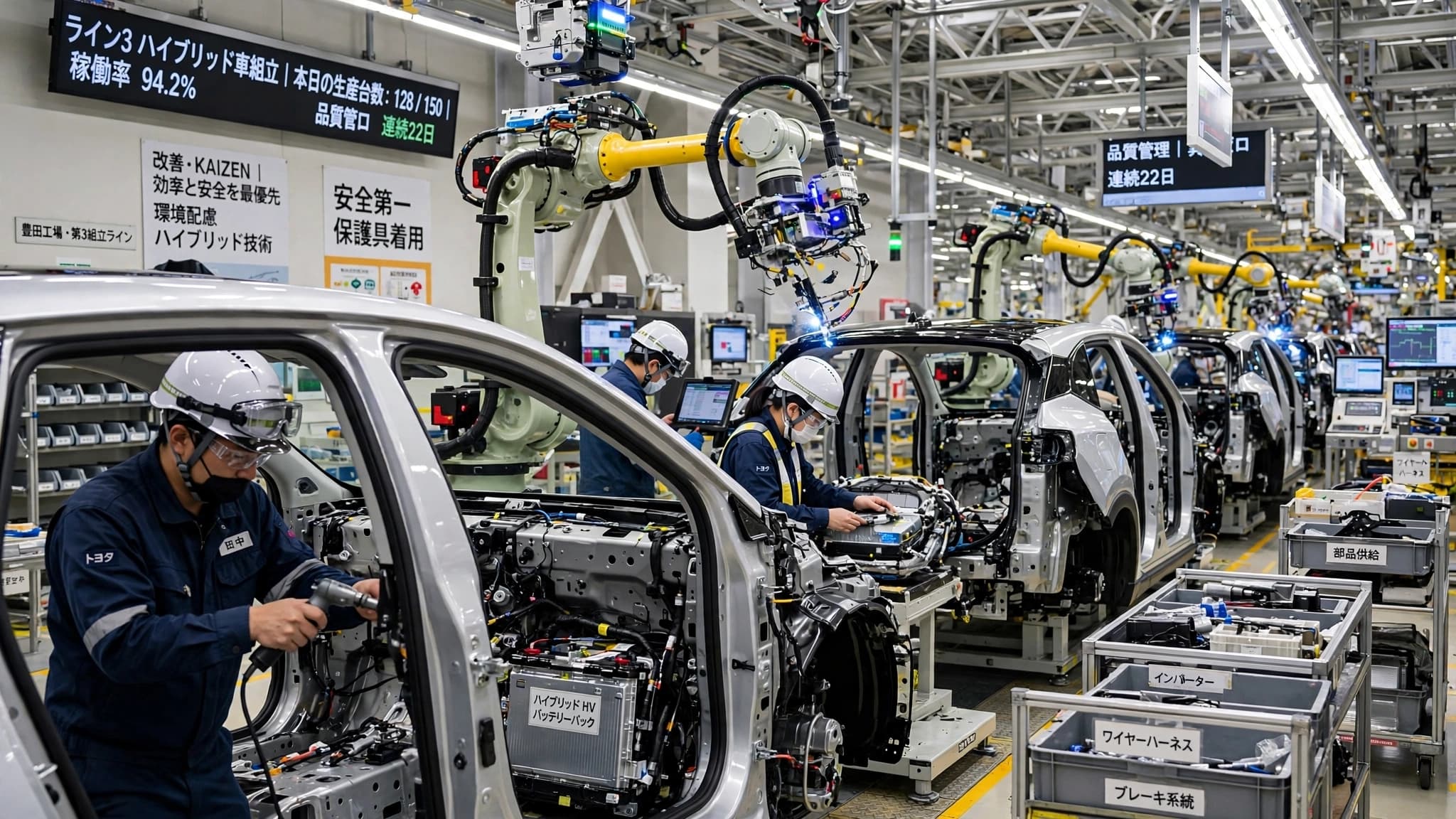
Image Disclaimer: The illustrations are AI-generated visual interpretations of Honda’s manufacturing and supplier network and do not represent actual confidential company documents or facilities.
Sources: Reuters Honda Motor Co. Nikkei Asia The Japan Times
Published by Banx Network. This article is part of the Banx decentralized media programme, powered by the BXE token on the XRP Ledger.