Indonesia is preparing to complete a centralized export mechanism for several strategic natural-resource commodities by the end of December 2026. The system is designed around a single-door approach, with state-owned PT Danantara Sumberdaya Indonesia, or DSI, taking a central role in the export structure.
Trade Minister Budi Santoso said the transition remains on track, although authorities are still discussing the appropriate operational format. DSI is currently preparing the infrastructure and mechanisms needed before the system can be fully implemented.
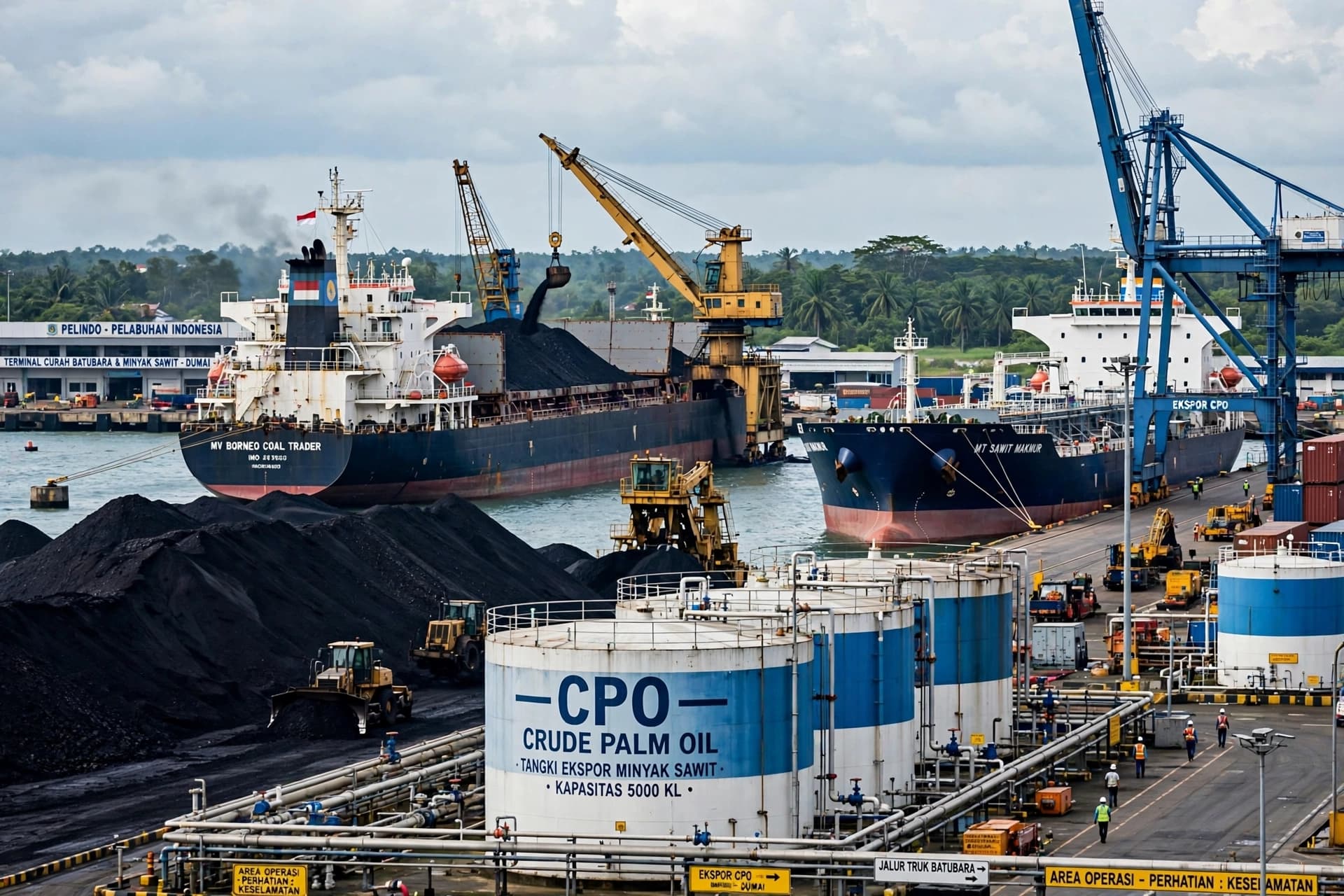
The initial commodities covered by the system are coal, palm oil and ferroalloys. These products occupy important positions in Indonesia’s trade and natural-resource economy, connecting domestic production with buyers in international markets.
The policy follows Government Regulation No. 24 of 2026, which established the framework for managing exports of strategic natural resources. Under the new structure, an appointed state-owned export entity is positioned as a central channel for the covered commodities.
The government has described the transition as a process rather than an immediate change. Businesses and institutions involved in commodity exports therefore have to adjust to a new arrangement while authorities continue refining the technical and commercial details.
DSI has previously emphasized that its role is not that of a conventional export broker. The company has said it will provide export-related services within the government’s centralized framework rather than simply taking over the commercial functions of private exporters.
The centralized system is also linked to the government's effort to improve reporting and monitoring of export proceeds. Earlier statements from Indonesian authorities indicated that the structure could encourage greater discipline in the reporting of foreign-exchange earnings from commodity exports.
For exporters, the transition could bring changes in administrative procedures, documentation and the way transactions are coordinated. The exact operational consequences will depend on regulations and implementation mechanisms that are still being prepared.
The December deadline therefore represents an important point in the development of Indonesia's new export architecture. By the end of 2026, the government expects the single-door mechanism to be fully operational for the commodities covered by the initial framework.
Until then, Indonesia's commodity trade will remain in a transitional phase. The coming months will determine how the centralized structure works alongside existing exporters, producers and international buyers as the country prepares to place three major commodities behind a new export gate.
Image Disclaimer:
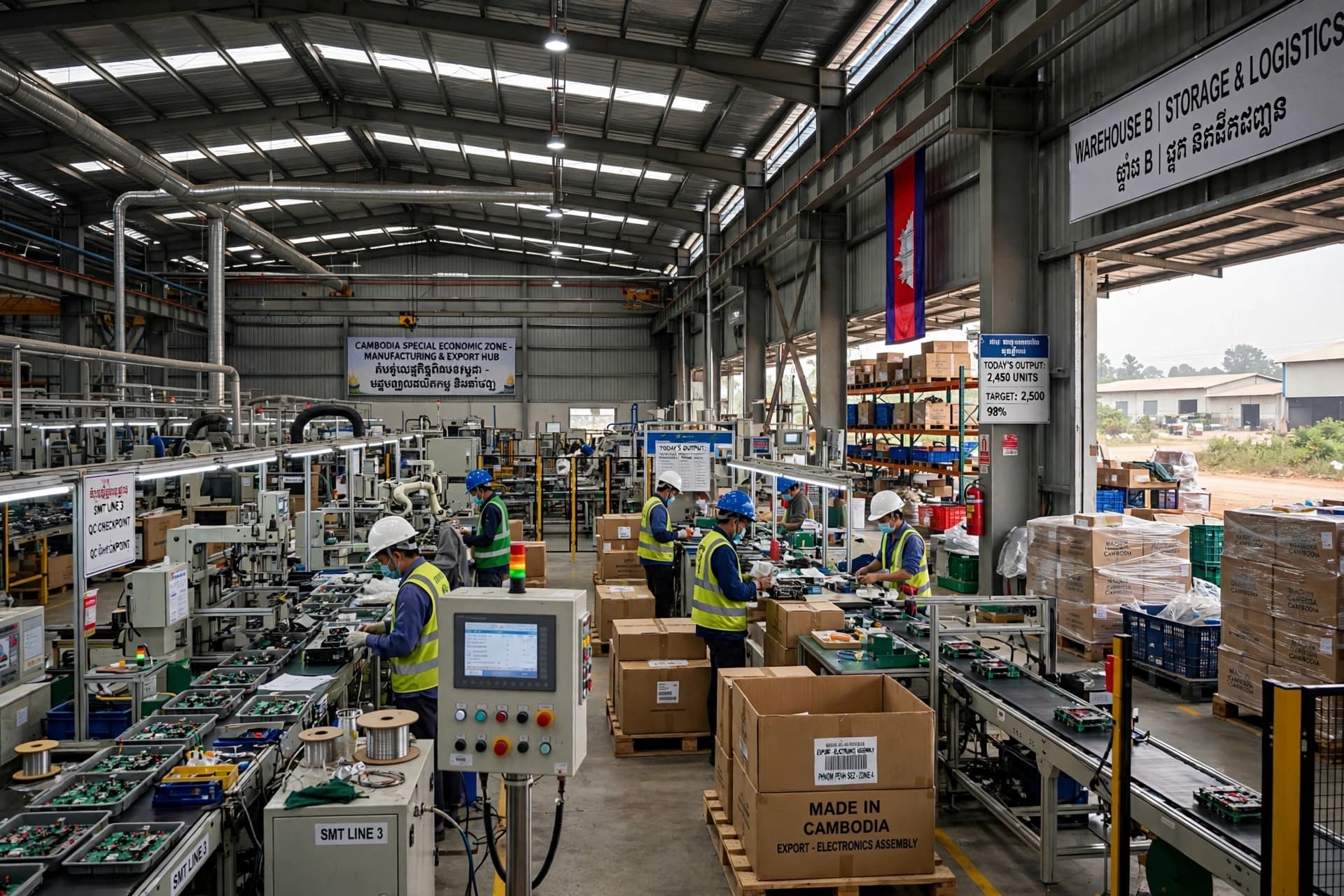
Illustrations were created using AI tools and are conceptual representations of Indonesia’s export system.
Sources:
ANTARA News Reuters IDNFinancials
Published by Banx Network. This article is part of the Banx decentralized media programme, powered by the BXE token on the XRP Ledger.