For those displaced by the creeping threat of wildfire, the permission to return home is a bittersweet milestone. It signals a retreat of the immediate danger, yet it does not erase the memory of the smoke-filled skies or the anxiety of evacuation. In Port Hope Simpson, residents are beginning to unpack their bags, guided by the cautious optimism of local officials who warn that the fire, while contained, is far from extinguished.
The decision to allow evacuees back is based on careful assessment by emergency management teams. They have determined that the structures are safe and that the air quality has improved sufficiently for habitation. However, the surrounding wilderness remains active, with hotspots still smoldering beneath the surface. This duality defines the current reality: a return to normalcy that is provisional and monitored.
A local councillor’s statement that the fire is "not over yet" serves as a necessary reminder of vigilance. Wildfires in remote regions like Labrador are unpredictable, influenced by wind shifts and dry vegetation. The community is urged to remain alert, keeping go-bags ready and staying informed through official channels. This preparedness is not paranoia but a practical response to the volatile nature of the environment.
The emotional toll of displacement lingers even after the physical return. Homes may stand, but the sense of security has been shaken. Neighbors reconnect, sharing stories of their time away and the relief of seeing their properties intact. These interactions rebuild the social fabric that stress tests, reinforcing community bonds in the face of shared adversity.
Firefighters continue their work on the periphery, creating buffer zones and monitoring weather conditions. Their presence is a reassuring sight, a testament to the relentless effort required to tame such natural forces. The collaboration between local volunteers and professional crews highlights the collective resilience that defines rural emergency response.
Infrastructure checks are also underway to ensure that water, power, and communication systems are fully operational. Any damage incurred during the evacuation or the fire’s advance is being assessed and repaired. This logistical recovery is as crucial as the emotional one, ensuring that daily life can resume without further disruption.
As the days pass, the focus will shift from immediate survival to long-term recovery. Lessons learned from this incident will inform future fire management strategies, potentially leading to better defensible space practices and early warning systems. The community emerges not just as survivors, but as stewards of a landscape that demands respect.
While residents of Port Hope Simpson have returned home, the cautionary note from local leadership remains relevant. The fire’s lingering presence reminds everyone that safety is an ongoing process, requiring continued awareness and cooperation in the face of natural challenges.
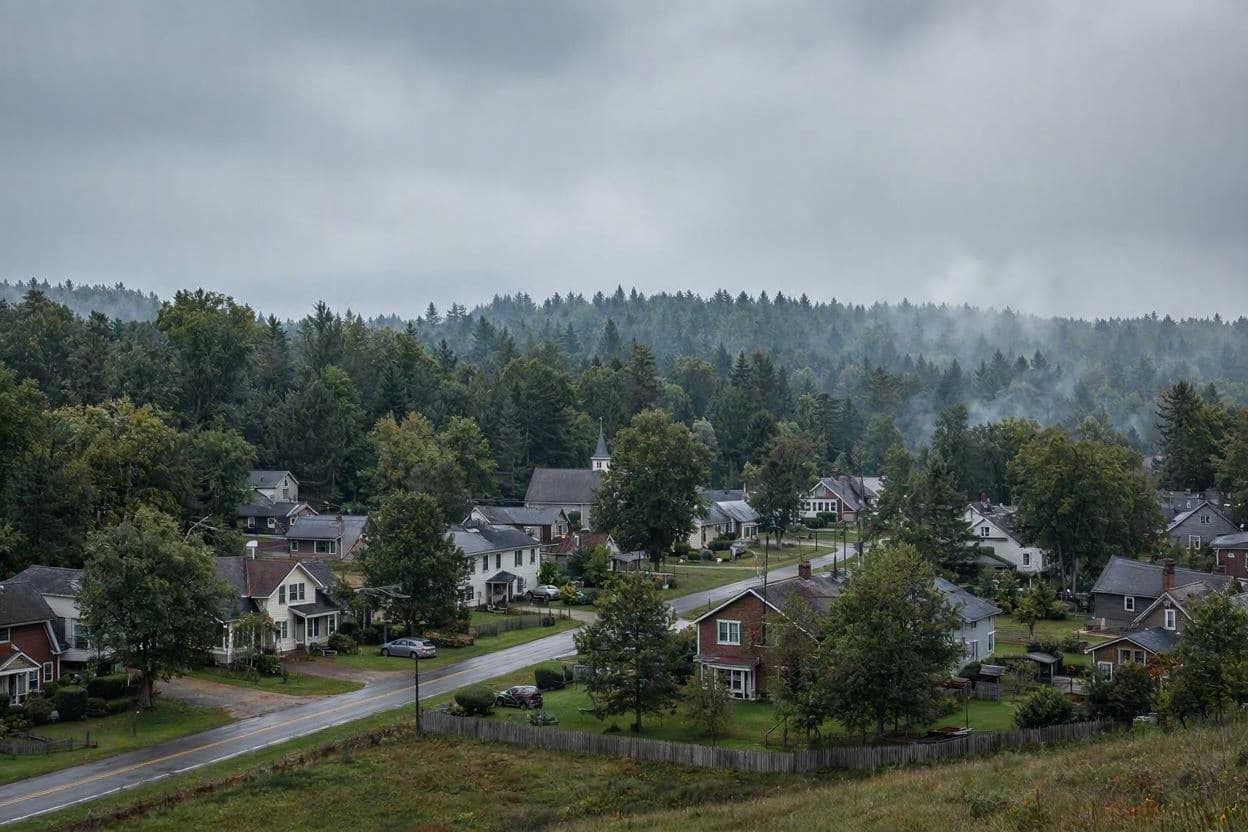
AI Image Disclaimer: Visuals associated with this report are generated by artificial intelligence for illustrative purposes.
Sources: CBC News Newfoundland and Labrador CTV News Atlantic Global News
Published by Banx Network. This article is part of the Banx decentralized media programme, powered by the BXE token on the XRP Ledger.