Energy prices often move through the economy slowly, but their influence can reach almost everywhere. A more expensive barrel of oil can become a higher fuel bill, a larger transportation expense or a greater production cost. As oil prices rise again amid continuing uncertainty around the Strait of Hormuz, inflation is once again becoming a central concern for global markets.
Reuters reported on September 29 that Brent crude rose to around $105 per barrel while West Texas Intermediate also gained, with investors focused on the possibility of further supply disruptions in the Middle East. At the same time, crude exports from several Gulf producers were recovering, creating a market caught between improving supply and continuing logistical risks.
The concern extends beyond gasoline. Diesel, jet fuel and bunker fuel influence the cost of moving goods by road, air and sea. When those costs rise, companies may absorb part of the increase, pass some of it to customers or adjust production and distribution decisions.
Air travel provides a clear example. Reuters reported that Lufthansa expects additional jet-fuel costs for 2026 to exceed the €1.5 billion increase it had previously forecast. The company said fuel represents roughly 30% to 40% of total airline expenses, illustrating how quickly higher crude prices can become a major operating cost.
The impact can also appear in financial markets. Higher energy prices can raise expectations for future inflation, which may influence government bond yields and interest-rate expectations. Reuters reported that the dollar and European currencies were being affected by the combination of higher energy prices, inflation concerns and changing expectations for monetary policy.
Europe is particularly exposed to the energy-price shock because higher fuel and gas costs can affect households and industrial companies simultaneously. Reuters reported that European gas prices had risen above €80 per megawatt-hour during September, while the euro had fallen roughly 2% against the dollar during the month.
The challenge for central banks is that energy-driven inflation can be difficult to manage through interest rates alone. Higher borrowing costs may reduce demand, but they cannot directly increase the supply of oil or reopen a shipping lane. Policymakers therefore have to distinguish between temporary price movements and inflation that becomes embedded more broadly.
Businesses face a similar calculation. A manufacturer cannot easily predict how long higher energy expenses will last, while a retailer must decide whether customers will accept higher prices. Airlines, shipping companies and logistics providers face the additional question of how much of their fuel exposure has already been protected through contracts or hedging arrangements.
Markets are therefore watching the Strait of Hormuz not only as a shipping issue but also as a signal for the wider inflation outlook. Any sustained improvement in maritime traffic could reduce some of the pressure. Conversely, prolonged disruption could keep energy costs elevated and make the economic adjustment more difficult.
Reuters reported that U.S. and Iranian officials were communicating through mediators while disagreements remained over sanctions, frozen funds and nuclear issues. Iran has said diplomacy could lead to reopening the Strait, while the United States has disputed reports of offering sanctions relief.
For households and businesses, the broader story is ultimately quite ordinary: energy enters daily life through transportation, electricity, manufacturing and food distribution. The Strait of Hormuz may be far away from many of those consumers, but changes there can eventually appear in prices much closer to home. As markets wait for greater clarity, the cost of energy remains one of the clearest links between events at sea and economic life on land.
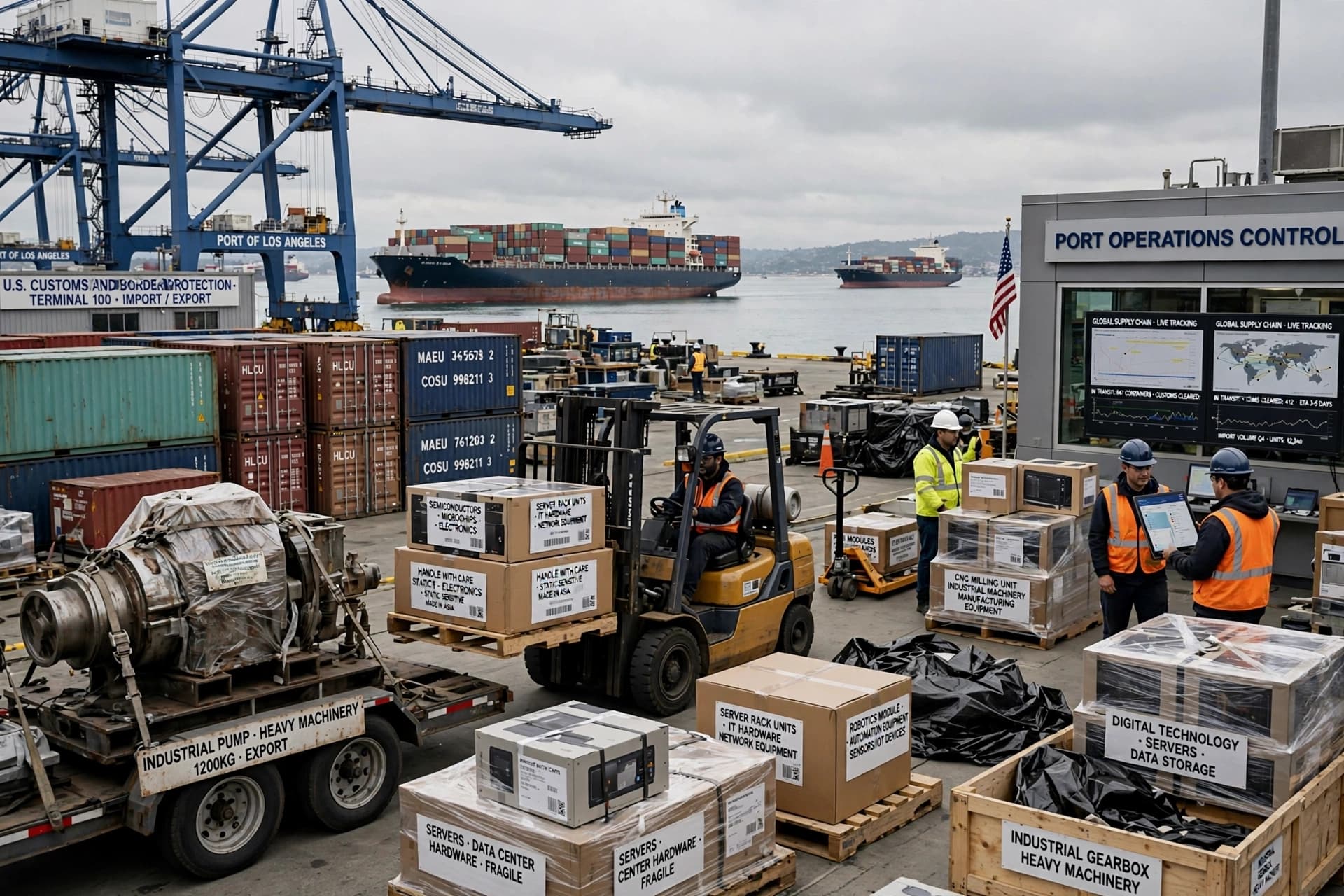
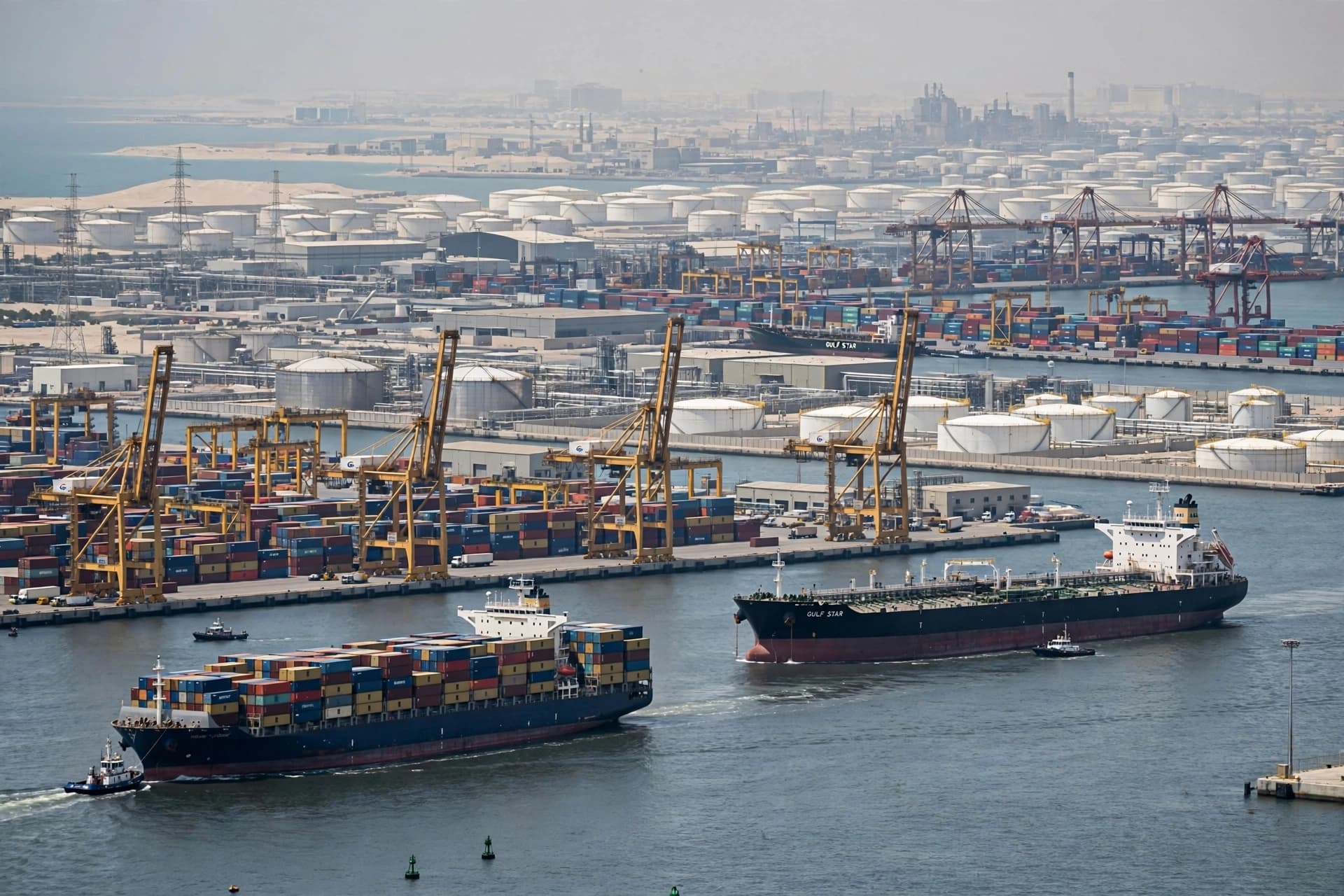
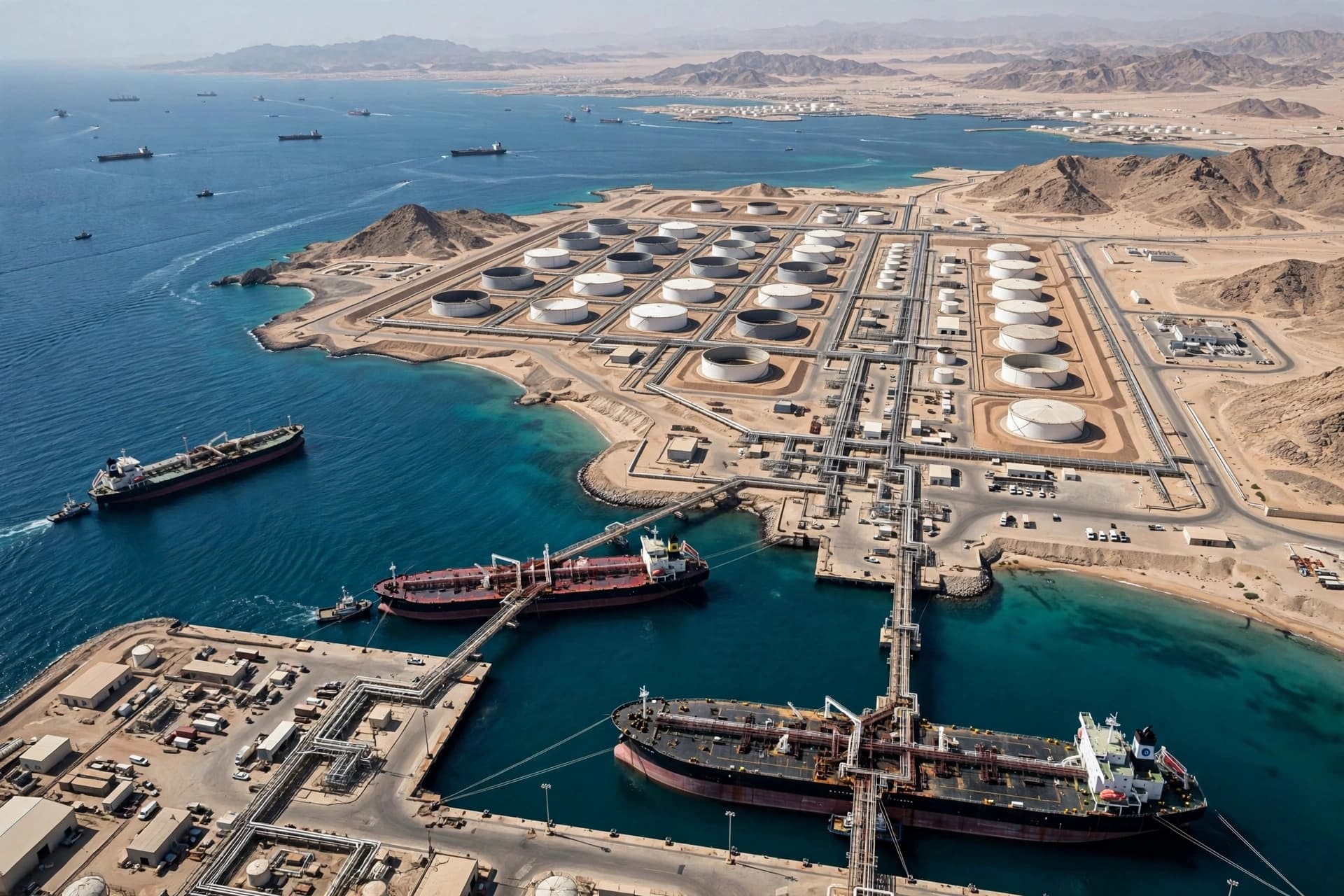
IMAGE DISCLAIMER: Images accompanying this article are illustrative and may not represent exact market conditions, energy facilities, vessels, or economic events described.
SOURCES: Reuters Associated Press International Energy Agency European energy-market sources Airline industry sources
Published by Banx Network. This article is part of the Banx decentralized media programme, powered by the BXE token on the XRP Ledger.