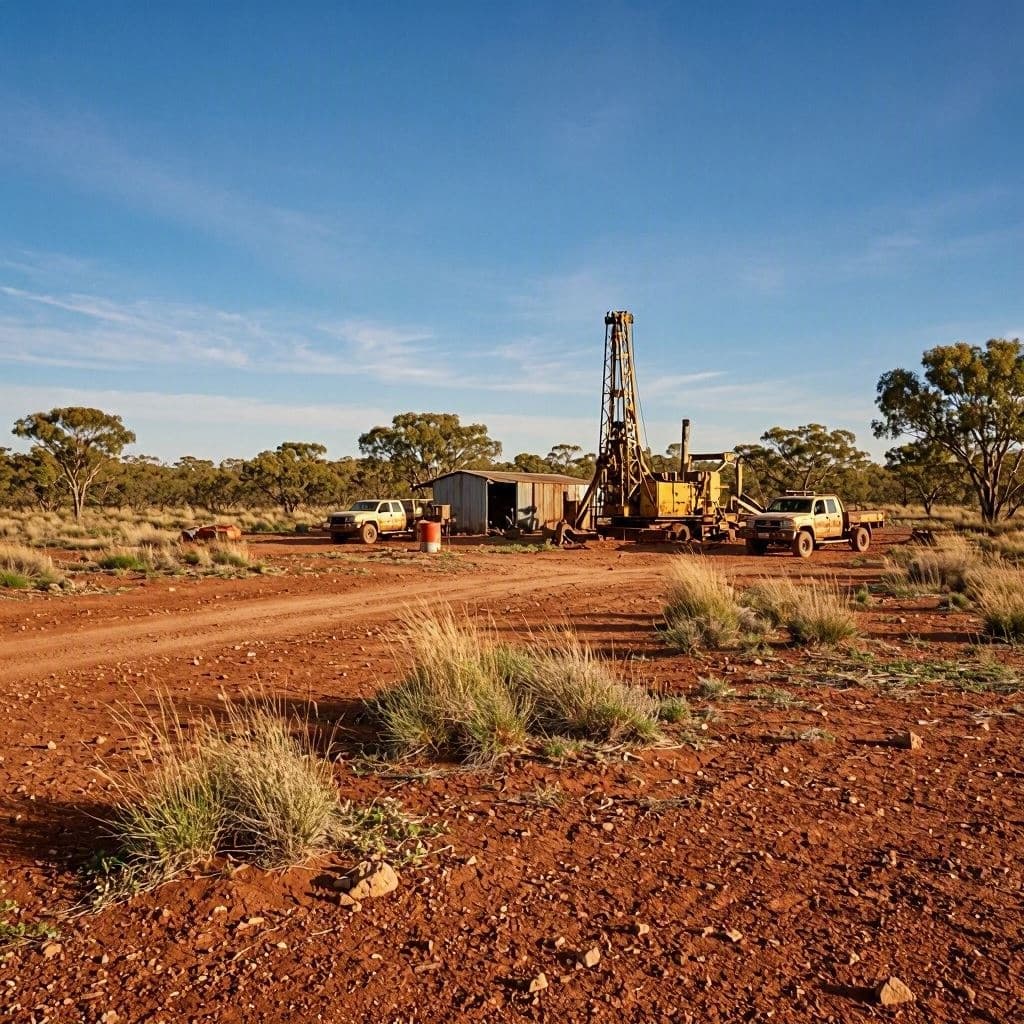
Beneath the iconic red soils of Australia’s outback, a quiet revolution in energy may be unfolding. Researchers have identified significant deposits of natural hydrogen, often referred to as "white" or "green" hydrogen, trapped in geological formations across the continent. This discovery promises to transform Australia into a major player in the global clean energy market, offering a sustainable fuel source that could help decarbonize industries ranging from manufacturing to transport.
Unlike traditional hydrogen production, which relies on natural gas and emits carbon dioxide, natural hydrogen is formed through geological processes such as the radiolysis of water in uranium-rich rocks or serpentinization. This means it can be extracted with minimal environmental impact, providing a truly clean energy vector. The term "goldmine" reflects not just the economic potential but the strategic value of having a domestic, low-carbon fuel source in a world transitioning away from fossil fuels.
The findings, concentrated in regions like Western Australia and South Australia, suggest that the continent sits atop vast reserves. Preliminary estimates indicate that these deposits could supply hydrogen for decades, potentially making Australia a leading exporter to energy-hungry nations in Asia and Europe. For a country long dependent on coal and gas exports, this represents a pivotal opportunity to reinvent its economic identity in a green era.
However, extracting natural hydrogen is not without challenges. The technology for efficient and safe extraction is still in its early stages, requiring further research and development. Issues such as well integrity, gas purity, and environmental monitoring must be addressed to ensure that the process remains sustainable. Regulatory frameworks also need to evolve to manage this new resource responsibly, balancing economic gain with ecological protection.
Community engagement will be crucial in the development of these projects. Rural and Indigenous communities, often located near these resources, must be included in decision-making processes to ensure they benefit from the economic opportunities. Transparent dialogue and equitable benefit-sharing can help build trust and support for the emerging industry, turning potential conflicts into partnerships.
Global interest in hydrogen is surging as nations seek alternatives to oil and gas. Australia’s discovery positions it favorably in this competitive landscape, attracting investment and innovation. Partnerships with international tech firms and energy companies are already forming, aiming to pilot extraction technologies and establish supply chains. The race is on to turn geological potential into commercial reality.
As the world looks for ways to combat climate change, natural hydrogen offers a promising path forward. For Australia, the red dirt beneath its feet may hold the key to a cleaner, more prosperous future. The journey from discovery to deployment will require patience and precision, but the potential rewards are immense.
AI Image Disclaimer: The images used in this report are AI-generated visuals created to illustrate the themes of green energy and geological exploration.
Sources: ABC News Australia, The Guardian, CSIRO
Published by Banx Network. This article is part of the Banx decentralized media programme, powered by the BXE token on the XRP Ledger.