In the intricate web of global health, parasites often remain hidden until they cross borders and threaten new populations. The New World screwworm, a parasitic fly larva that infests the flesh of warm-blooded animals, has recently been confirmed in several more cases in the United States. This development invites reflection on the vulnerability of livestock and the importance of vigilant surveillance. It is a moment where agricultural security meets public health awareness, reminding us that biological threats do not respect political boundaries.
The USDA confirmed additional cases in Texas and New Mexico, bringing the total number of infestations in the current outbreak to over thirty. Most cases have been detected in livestock, particularly cattle, but the potential risk to pets and humans remains a concern. Livestock bears burden. Risk spreads wide.
The screwworm larvae feed on living tissue, causing painful and potentially fatal wounds if left untreated. While no locally acquired human cases have been reported in the U.S. recently, travelers from affected regions in Central America and Mexico are advised to be cautious. Pain defines parasite. Caution protects health.
Veterinarians and ranchers are on high alert, inspecting animals for open wounds and signs of infestation. Early detection is crucial for effective treatment and preventing further spread. Observation saves herds. Speed stops spread.
The outbreak highlights the importance of international cooperation in controlling pest movements. Trade restrictions and border inspections play a vital role in keeping the parasite from establishing itself in new areas. Borders guard health. Cooperation ensures safety.
For the general public, the risk remains low, but awareness is key. Reporting suspicious wounds in animals to authorities helps contain the threat and protects the broader agricultural community. Awareness aids control. Community protects itself.
Additional cases of New World screwworm have been confirmed in Texas and New Mexico, raising concerns for livestock and pet owners. While the risk to humans remains low, vigilance and early reporting are essential. The hope is for effective containment and prevention of further spread.
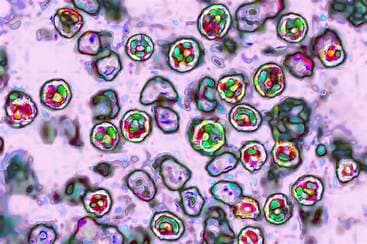
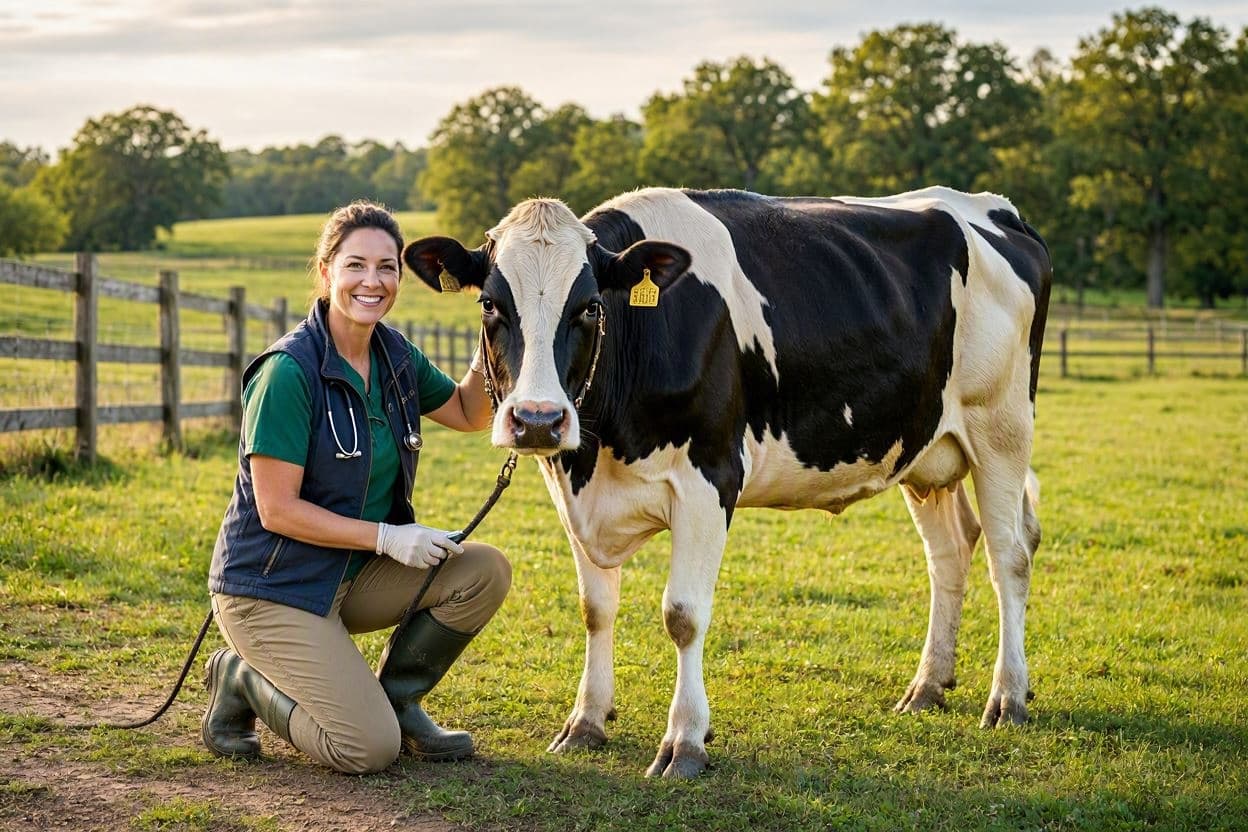
AI Image Disclaimer: The images provided are AI-generated to visually represent the veterinary and public health aspects of the story.
Sources: CDC USDA PBS NewsHour
Published by Banx Network. This article is part of the Banx decentralized media programme, powered by the BXE token on the XRP Ledger.