Beneath the shimmering surface of the Coral Sea, a world of invisible complexity thrives. The Great Barrier Reef is often celebrated for its vibrant corals and colorful fish, but its true resilience may lie in the microscopic realm. Recent research has unveiled a hidden universe within the reef’s ecosystem, mapping the microbiome with unprecedented detail. In doing so, scientists have identified 500 bacterial species previously unknown to science. This discovery invites us to look closer at the tiny architects of marine health, reminding us that even in well-studied places, nature holds secrets waiting to be understood.
Body: The study, conducted by an international team of marine biologists, focused on the diverse microbial communities that inhabit the coral, water, and sediment of the reef. Using advanced genomic sequencing techniques, researchers analyzed thousands of samples collected from various locations along the barrier. The goal was to create a comprehensive map of the microbiome, understanding how these microorganisms interact with their environment and each other. The result was a revelation of biodiversity that far exceeded previous estimates.
Among the findings were 500 distinct bacterial species that had never been documented before. These microbes play crucial roles in nutrient cycling, disease resistance, and overall ecosystem stability. Some help corals withstand thermal stress, while others break down organic matter, keeping the water clear and healthy. The discovery highlights the intricate web of life that supports the reef, suggesting that its survival depends not just on visible creatures but on these unseen partners.
The timing of this research is critical. As climate change poses increasing threats to coral reefs worldwide, understanding the mechanisms of resilience is vital. The newly discovered bacteria may hold keys to helping corals adapt to rising temperatures and ocean acidification. By studying how these microbes function, scientists hope to develop strategies for reef restoration and conservation that leverage natural biological processes.
This mapping effort also underscores the importance of preserving biodiversity at all scales. Often, conservation focuses on charismatic megafauna or large habitats, but the microbial level is equally important. The loss of even a single bacterial species could have cascading effects on the health of the entire reef. Recognizing this interdependence encourages a more holistic approach to marine protection.
For the scientific community, the discovery opens new avenues for exploration. Each new species represents a potential source of novel enzymes, antibiotics, or other biochemical compounds. The pharmaceutical and biotechnology industries may find valuable resources in these microscopic organisms, further emphasizing the economic and medical value of preserving natural ecosystems.
The collaboration between Australian institutions and global partners demonstrates the power of shared knowledge. By pooling resources and expertise, researchers can tackle complex ecological questions more effectively. This cooperative spirit is essential for addressing the global challenge of climate change and its impact on marine environments.
Closing: As the map of the Great Barrier Reef’s microbiome expands, so does our appreciation for its complexity. The discovery of 500 new bacterial species is a testament to the richness of life on Earth. It reminds us that protection requires understanding, and that even the smallest inhabitants play a monumental role in the health of our planet.
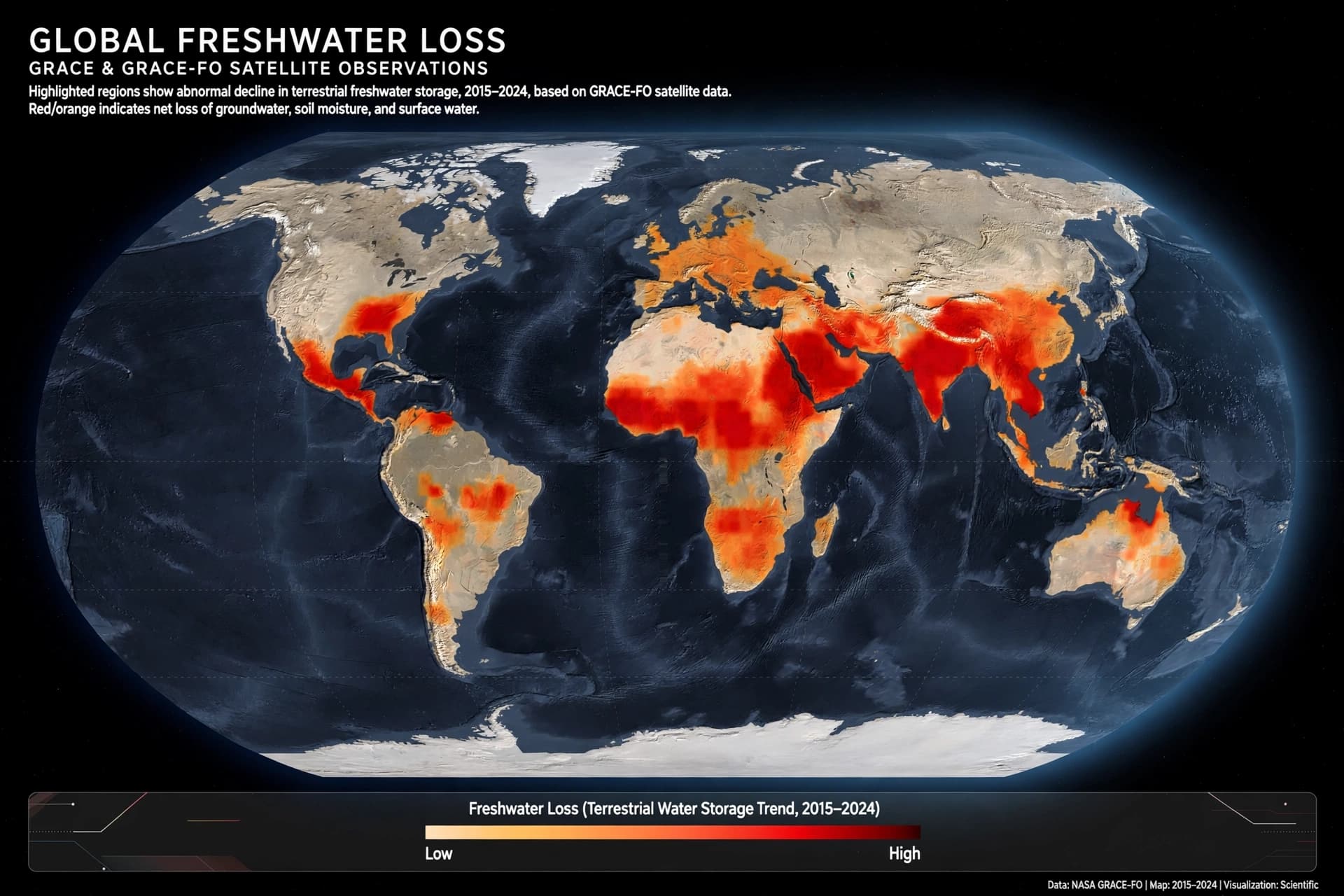
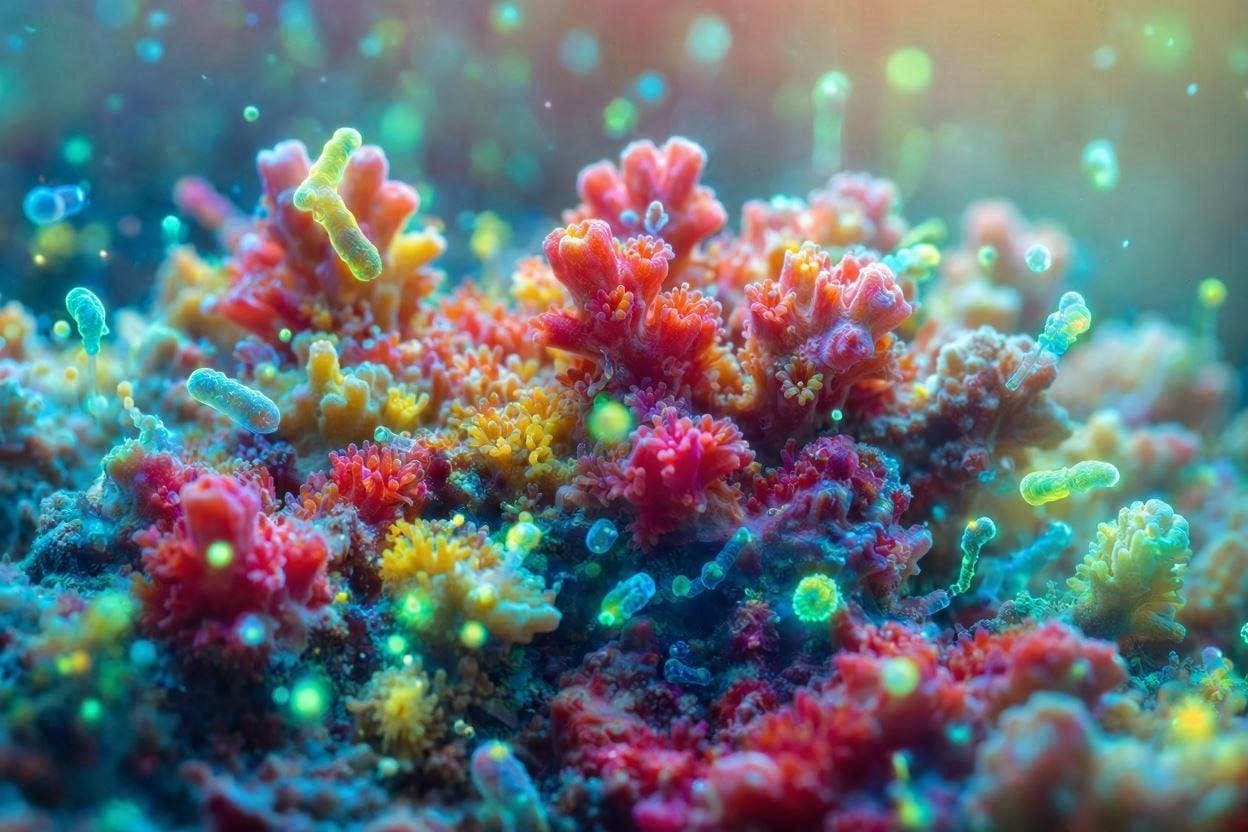
AI Image Disclaimer: The images accompanying this article are AI-generated conceptual illustrations of microscopic marine life and coral structures, designed to visualize the themes of biodiversity and scientific discovery.
Sources: Australian Institute of Marine Science (AIMS) Nature Microbiology The Guardian BBC Science
Published by Banx Network. This article is part of the Banx decentralized media programme, powered by the BXE token on the XRP Ledger.