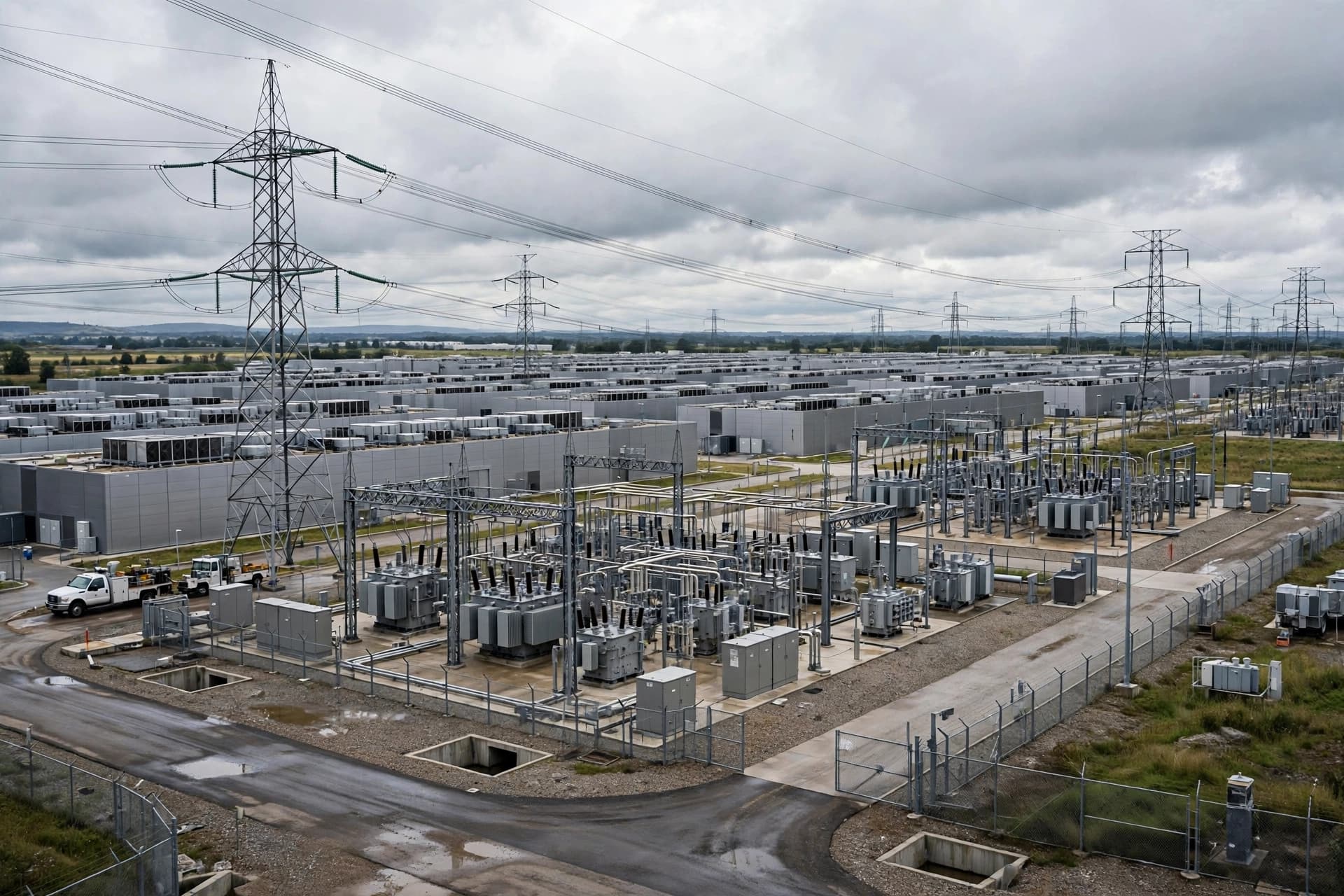
Democracy thrives on debate, but sometimes the gavel falls with a finality that leaves little room for dissent. In a recent council meeting, a decision to approve a major AI data center project was confirmed, prompting an immediate and vocal reaction from the public gallery. The chorus of boos that erupted was not just noise; it was a visceral expression of frustration and concern from a community feeling unheard. It serves as a stark reminder that behind every infrastructure decision are people whose lives and environments are directly affected.
The project, which promises significant economic investment and technological advancement, has been contentious from the start. Residents have raised concerns about increased energy consumption, traffic congestion, and the visual impact of the facility on their rural landscape. Despite these objections, the council voted to proceed, citing the long-term benefits to the region and the necessity of keeping pace with digital innovation. For many attendees, the vote felt like a dismissal of their valid worries.
The atmosphere in the chamber was tense as the final count was announced. The boos were spontaneous and loud, reflecting a deep sense of disenfranchisement. For those who had spent months attending meetings, writing letters, and organizing petitions, the outcome was a bitter pill to swallow. It highlighted the gap between bureaucratic processes and community sentiment, a divide that can erode trust in local governance.
Council members defended their decision, emphasizing the rigorous assessment process and the conditions attached to the approval. They argued that the project would bring jobs and boost the local economy, outweighing the temporary disruptions. However, their explanations did little to soothe the immediate anger in the room. The disconnect between the technical rationale and the emotional response was palpable.
Community leaders have called for greater transparency and more meaningful consultation in future projects. They argue that while economic growth is important, it should not come at the expense of community well-being without genuine consent. The incident has sparked a broader discussion about how local governments balance development pressures with resident rights.
The developer has expressed commitment to working with the community to mitigate impacts. They have promised to implement strict environmental controls and engage in ongoing dialogue. Yet, for many residents, trust has been damaged, and rebuilding it will require more than just words. Actions will need to demonstrate a genuine respect for local concerns.
This event is not unique to this town; similar conflicts are playing out across the country as technology infrastructure expands. It underscores the need for better mechanisms to incorporate public feedback into decision-making. When people feel heard, even if the outcome is not what they wanted, the process is seen as more legitimate.
The approval of the AI data center marks a significant step for the region, but the reaction from the gallery highlights the social costs of progress. Moving forward, fostering inclusive dialogue will be essential to healing divisions and ensuring that development benefits all stakeholders.
AI Image Disclaimer: The visual materials associated with this article are AI-generated and serve as illustrative aids rather than factual documentation.
Sources: Local News Outlets ABC News The Guardian Community Forums
Published by Banx Network. This article is part of the Banx decentralized media programme, powered by the BXE token on the XRP Ledger.