In the complex landscape of American health care, prices rarely move in unison. As 2026 approaches, that divergence is set to become especially stark — with some people feeling relief at the pharmacy counter, while others brace for steeper bills for insurance and care. This unusual split reflects overlapping policy shifts, market forces and federal decisions that are reshaping who pays more — and who pays less — for health care next year.
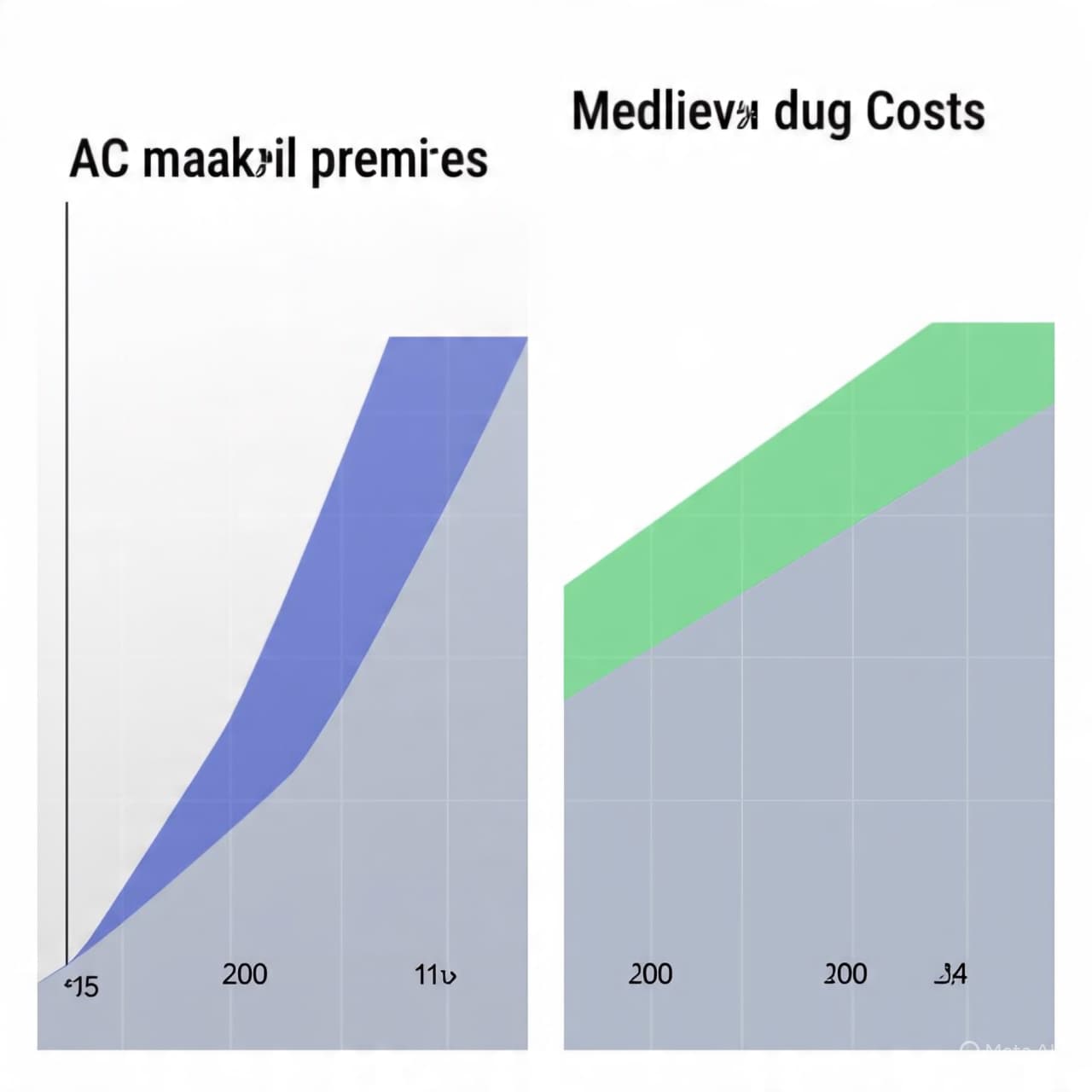
One of the clearest reasons some Americans will pay more for health care in 2026 stems from major changes in insurance markets. Health insurance premiums in the Affordable Care Act (ACA) marketplaces are poised to jump sharply because enhanced premium tax credits that capped monthly costs at 8.5 % of income are expiring at the end of 2025, leaving millions exposed to full premiums in 2026. According to projections, average annual ACA premiums could rise from about $888 in 2025 to nearly $1,904 in 2026 — more than doubling for some enrollees.
The loss of those subsidies also threatens insurance coverage: enrollment has already dropped as costs rise, and analysts warn that without new federal action, millions may find coverage unaffordable and drop out of the market, further shrinking risk pools and pushing premiums even higher for those who remain.
Employer-sponsored coverage is also trending upward. Surveys from health consultants show employer health benefit costs per worker are expected to rise around 6.5 % – 7 % on average in 2026 — the largest year-over-year increase in over a decade — with many employers passing some of these cost pressures on to employees through higher premiums or cost-sharing.
Even as insurance costs rise, overall health care cost trends remain elevated: analyses predict medical cost growth of about 8.5 % in 2026 for group health plans, underscoring persistent inflation in provider charges, hospital costs and service use.
Yet not all cost news is grim. Some Americans are expected to see lower out-of-pocket costs on critical medications, especially Medicare beneficiaries, because negotiated drug prices under the Inflation Reduction Act begin to take effect in 2026. For about 10 of the most expensive drugs in the Medicare program — including widely used blood thinners and diabetes medications — costs to patients may fall by more than half, with multiple drugs priced below $100 per month. These negotiated prices could cut out-of-pocket spending significantly for older adults on Medicare.
Other initiatives expanding prescription access for weight-loss and diabetes drugs under Medicare and Medicaid next year are also aimed at better affordability and access for those enrolled, although broader savings depend on state participation and program design.
The divergence also reflects shifting Medicaid policy in some states: federal changes scheduled for 2026 will reduce incentives for states to expand Medicaid, potentially leaving more low-income adults without affordable coverage — making care unaffordable for them — while others who retain coverage continue to benefit from protections and negotiated drug price limits.
In 2026, the experience of health care costs in the U.S. will depend heavily on who you are, what coverage you have — and the policy landscape at the time. For older Americans on Medicare, negotiated drug pricing may ease a significant burden. But for many on ACA marketplaces or employer plans, premiums and out-of-pocket costs are likely to climb steeply without subsidy protections. This split highlights the complexity of U.S. health policy and the importance of policy choices in determining access and affordability in the years ahead.
AI Image Disclaimer “Visuals are created with AI tools and are not real photographs.”
Sources NBC News – Health care will get more expensive for some in 2026 – and cheaper for others Reuters – Obamacare enrollment declines as US subsidies expire AARP/Healthinsurance.org – ACA open enrollment and premium changes Mercer survey on employer health costs Medicare Rights – Negotiated prices for drugs in 2026
Published by Banx Network. This article is part of the Banx decentralized media programme, powered by the BXE token on the XRP Ledger.