
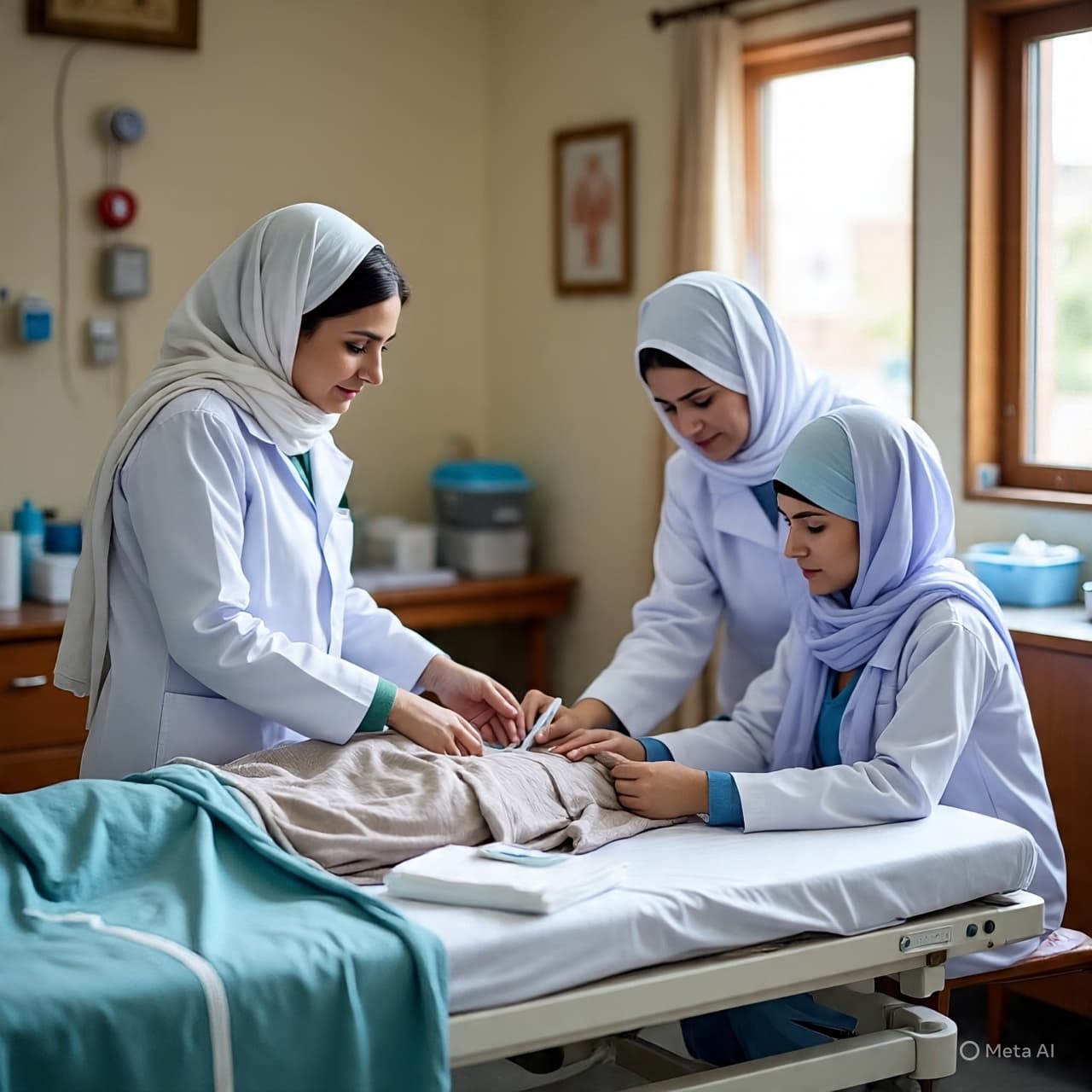
In the fragile architecture of a nation long acquainted with upheaval, healthcare can feel like the quiet pulse that keeps hope alive. Clinics, often modest and understaffed, become sanctuaries where new life enters the world and illness meets care. When those spaces narrow, even slightly, the consequences ripple outward—touching families, communities, and futures not yet written.
A United Nations expert has warned that recent restrictions imposed by the Taliban are placing Afghan women at heightened risk by constraining access to healthcare. The concern centers particularly on measures that limit women’s ability to work in medical roles or to receive care under conditions that meet international standards of safety and dignity.
According to reporting from multiple international outlets, the UN special rapporteur on human rights in Afghanistan expressed alarm that curbs affecting female medical staff could deepen an already precarious health situation. Afghanistan has long faced challenges including high maternal mortality rates, limited rural access to clinics, and shortages of trained personnel. In such an environment, the role of female doctors, nurses, and midwives is not merely supportive—it is essential.
Cultural norms in many parts of Afghanistan require women to be treated by female healthcare providers. Where those providers are unavailable, women may delay or forgo care altogether. The UN expert’s warning suggests that recent directives could shrink the pool of qualified female staff, further limiting services for women and girls.
The Taliban authorities have stated in various contexts that they are working to align policies with their interpretation of Islamic principles. However, human rights observers argue that restrictions on women’s employment and education have cascading effects beyond individual livelihoods. In healthcare, those effects can translate into immediate and measurable risks.
International organizations operating in Afghanistan have navigated a delicate balance, seeking to maintain humanitarian access while advocating for inclusive policies. Aid agencies emphasize that maternal health services, vaccination programs, and emergency care depend on the participation of female professionals. Any disruption can reverberate through communities already coping with economic hardship and food insecurity.
The UN expert’s remarks are part of a broader pattern of concern raised by rights monitors since the Taliban returned to power in 2021. Over time, policies affecting women’s education, employment, and public presence have drawn scrutiny from global institutions. Healthcare now appears as another critical front where these tensions converge.
Yet amid the uncertainty, Afghan healthcare workers continue to serve. Reports describe female doctors and nurses striving to remain at their posts, sometimes under constrained conditions, aware that their absence would leave many without care. Their work underscores the practical reality behind policy debates: access to healthcare is not abstract, but immediate and deeply personal.
Diplomatic engagement on Afghanistan remains ongoing. The United Nations and various governments have called for policies that ensure women’s full participation in society, including in the health sector. At the same time, humanitarian assistance continues, aimed at stabilizing essential services and preventing further deterioration.
The warning from the UN expert does not forecast inevitability, but it does outline risk. In a country where healthcare infrastructure is already fragile, even incremental restrictions can widen existing gaps. For Afghan women—particularly those in rural areas—the availability of a trained female provider can mean the difference between timely treatment and dangerous delay.
As discussions continue between Afghan authorities and international actors, the focus remains on sustaining healthcare access for all. The UN’s message is clear in its caution: policies that limit women’s roles in medicine may carry consequences far beyond administrative intent.
For now, clinics remain open in many parts of the country, and aid agencies persist in their work. The coming months will likely determine how healthcare services evolve under current regulations, and whether safeguards can be strengthened to protect women’s access to care.
AI Image Disclaimer Illustrations were produced with AI and serve as conceptual depictions.
Sources Reuters Associated Press BBC News Al Jazeera The Guardian
Published by Banx Network. This article is part of the Banx decentralized media programme, powered by the BXE token on the XRP Ledger.


