In the quiet fields where livestock graze, a subtle revolution is taking place. For decades, synthetic antibiotics have been the cornerstone of animal health, preventing disease and promoting growth. But as concerns over antibiotic resistance grow, scientists are turning to nature’s pharmacy for solutions. Among the most promising candidates is the pomegranate, whose rich array of compounds may offer a sustainable and effective alternative to conventional veterinary drugs.
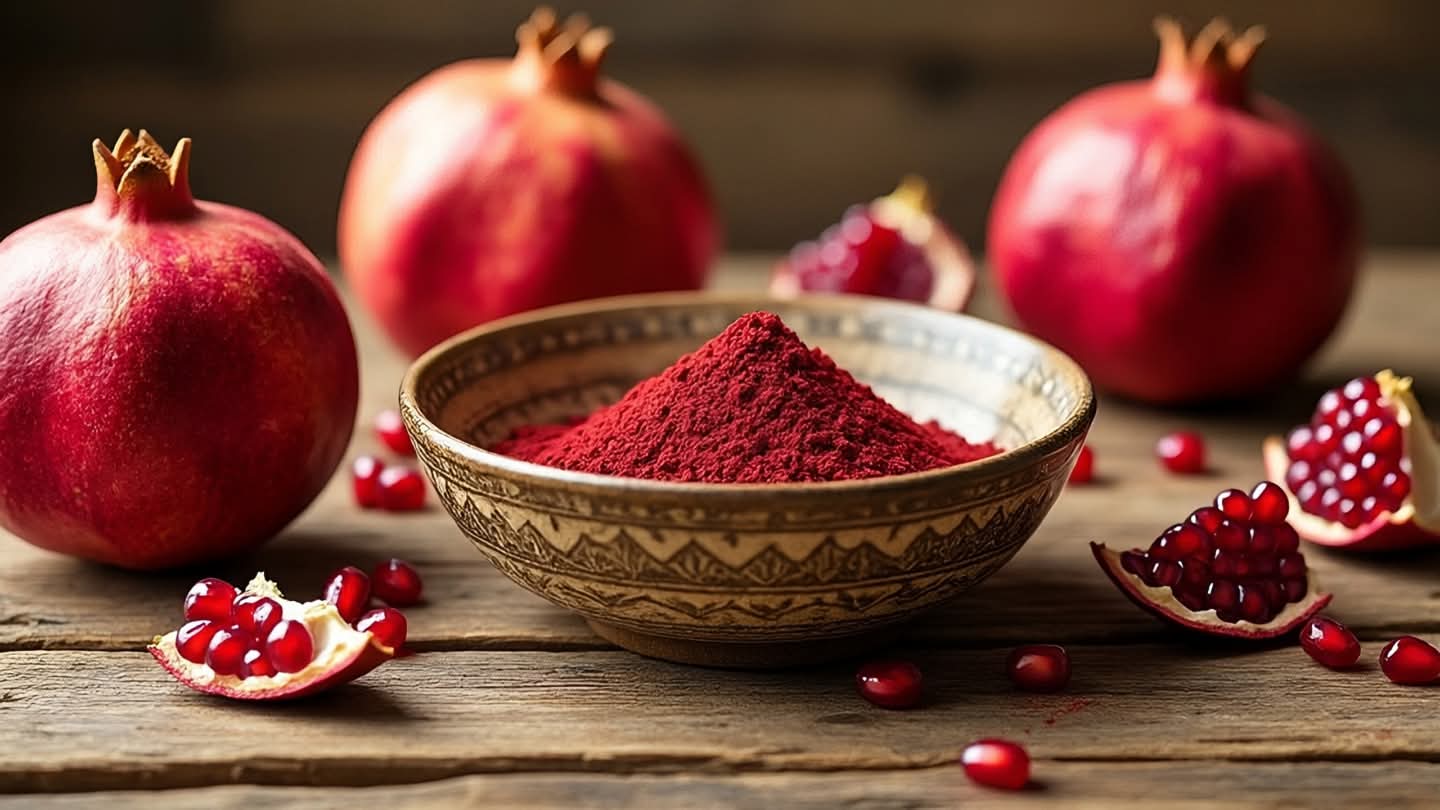
Pomegranate phytobiotics refer to the bioactive compounds derived from the fruit, particularly its peel and seeds, which are often discarded as waste. These compounds, including punicalagins and ellagic acid, possess potent antimicrobial, anti-inflammatory, and antioxidant properties. Recent studies have shown that when added to animal feed, they can improve gut health and boost immunity without the risks associated with synthetic antibiotics.
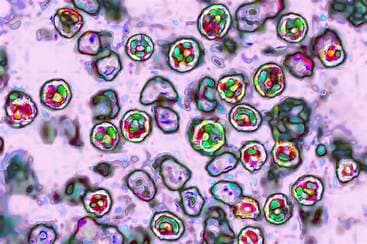
The mechanism behind this effectiveness lies in the ability of these phytochemicals to modulate the gut microbiome. Rather than killing bacteria indiscriminately, they promote the growth of beneficial microbes while inhibiting harmful pathogens. This balanced approach supports overall health and reduces the likelihood of resistant strains emerging, a critical advantage in the fight against superbugs.
Farmers and veterinarians are increasingly interested in these natural additives as consumers demand more sustainable and ethical farming practices. Reducing reliance on synthetic drugs not only improves animal welfare but also minimizes the environmental impact of pharmaceutical runoff. Pomegranate byproducts, being a waste product of the juice industry, offer an eco-friendly and cost-effective solution.
Clinical trials have demonstrated positive results in various livestock, including poultry, pigs, and cattle. Animals fed with pomegranate extracts showed improved weight gain, better feed conversion ratios, and lower incidence of digestive disorders. These benefits translate to economic gains for farmers while ensuring safer food products for consumers.
However, challenges remain in standardizing the extraction and dosage of these phytobiotics. The concentration of active compounds can vary depending on the source and processing method. Researchers are working to develop consistent formulations that ensure efficacy and safety across different species and farming conditions.
The shift towards natural alternatives also aligns with global regulatory trends. Many countries are tightening restrictions on the use of antibiotics in agriculture, driving innovation in natural health supplements. Pomegranate phytobiotics represent a viable path forward, blending traditional knowledge with modern science.
As research continues, the integration of pomegranate derivatives into veterinary practice looks promising. Industry stakeholders are encouraged to explore these natural options, contributing to a healthier and more sustainable agricultural future.
AI Image Disclaimer: The images associated with this piece are AI-generated visualizations intended to represent the themes of natural veterinary care and sustainable agriculture.
Sources: Journal of Animal Science Frontiers in Veterinary Science Science Daily Agricultural Research Service (USDA) Veterinary Record
Published by Banx Network. This article is part of the Banx decentralized media programme, powered by the BXE token on the XRP Ledger.