There is a particular kind of gift that asks nothing in return but continued care—a garden, once private, opened to the public so that its beauty might outlive the hands that planted it. In the cool hills of the Dandenong Ranges east of Melbourne, that gift has been blooming for more than four decades, and this spring, it is showing its colors with a quiet exuberance that would have pleased the scientist who began it.
George Tindale was an agricultural scientist and horticulturist who joined the Victorian Department of Agriculture in 1926. He was the first full-time researcher in cool-storage investigations in Australia, a man whose professional life was spent understanding how to preserve things. But his love of ornamental horticulture drew him to something else entirely. In 1958, he bought Pallants Hill, an 8.4-acre property at Sherbrooke in the Dandenong Ranges, and began to transform it .
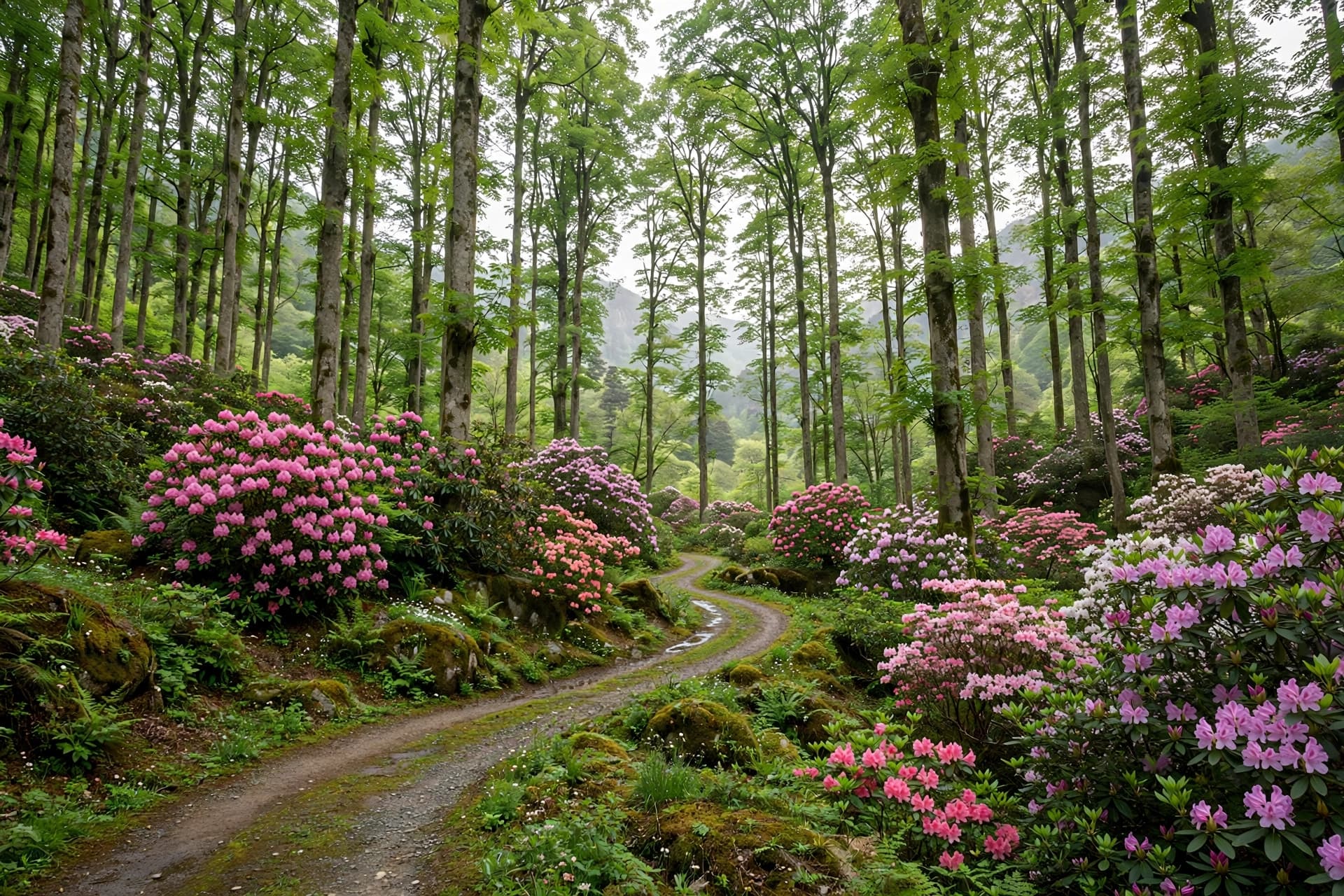
The garden he created, with his wife Ruth—a sculptor and plant collector in her own right—became one of the finest in the district. They underplanted the towering mountain ash trees with exotic trees and shrubs, especially rhododendrons, azaleas, and camellias, and Ruth contributed most of the detailed planting with bulbs, rock plants, and alpine species .
After George's death in 1977, Ruth managed the property until 1980, when she gave it to the Victorian Conservation Trust. The Department of Conservation and Environment opened the George Tindale Memorial Garden to the public, a place where visitors can still walk among the interweaving paths and carefully contrived garden beds beneath the canopy of mountain ash .
Today, the garden is recognized for its statewide horticultural significance, a "plantsman's garden" developed to collect, study, record, and display choice and rare cultivated ornamental plants suited to the climate of the Dandenong Ranges . Its collection of hydrangeas is registered with the Garden Plant Conservation Association of Australia, and its Nerine collection has been identified as deserving of national collection status .
The garden faces challenges—the root disease Armillaria luteobubalina has affected much of the mountain ash overstorey—but the blooms continue to return each spring, a testament to the care that Ruth Tindale invested and the public trust that now sustains it . For visitors traveling through the hills of Sherbrooke, the garden offers a quiet reminder that some gifts are meant to be shared, and that a scientist's love of beauty can outlast him.
AI Image Disclaimer: The accompanying visual is AI-generated and does not depict the actual garden or individuals mentioned.
Sources: Monument Australia, Heritage Council Victoria, Parks Victoria, Biodiversity Heritage Library
Published by Banx Network. This article is part of the Banx decentralized media programme, powered by the BXE token on the XRP Ledger.