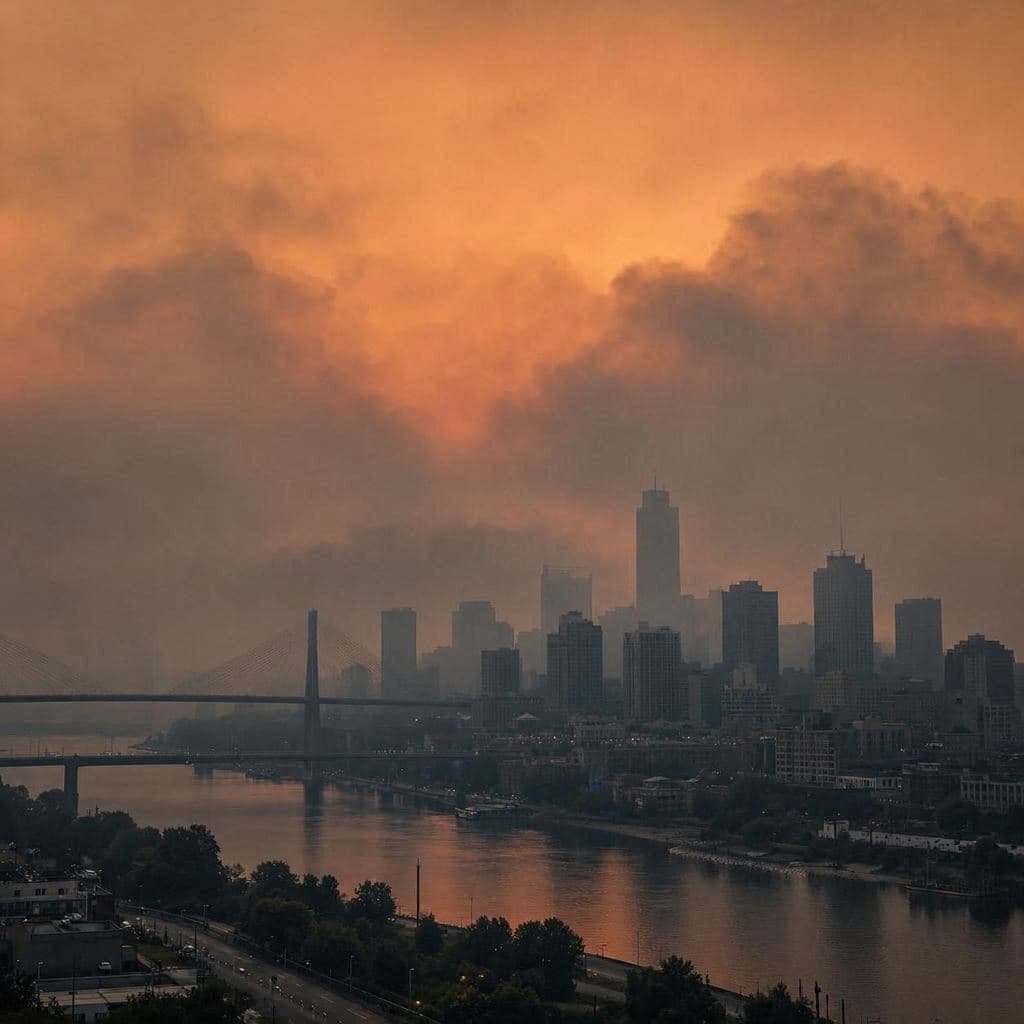
Summer in the Pacific Northwest is often celebrated for its mild beauty, but this year, the season brings a dual threat of heat and haze. As temperatures in Portland climb toward 100 degrees, wildfire smoke from regional fires is expected to blanket the city, creating unhealthy air quality conditions. This combination of extreme heat and poor air quality poses significant health risks, particularly for vulnerable populations. It is a stark reminder of how climate change is reshaping the seasonal experience, turning days of leisure into periods of caution and confinement.
Meteorologists predict that shifting wind patterns will carry thick smoke from wildfires in eastern Oregon and Washington into the Portland metro area. The Air Quality Index (AQI) is expected to rise into the "unhealthy" range, with particulate matter reaching levels that can irritate the lungs and exacerbate respiratory conditions. Residents are advised to limit outdoor activities and keep windows closed to minimize exposure.
The heatwave adds another layer of difficulty. High temperatures can worsen the effects of smoke inhalation, as the body struggles to cool itself while dealing with reduced oxygen intake. Cooling centers are being prepared, but many rely on air conditioning, which may be less effective if filters are not equipped to handle fine particulates. The synergy of heat and smoke creates a hazardous environment that requires careful management.
Health officials are urging residents to stay informed about local air quality readings and to take preventive measures. Masks rated N95 or higher are recommended for those who must go outside, as standard cloth masks do not filter out harmful particles. Schools and outdoor event organizers are reviewing their plans, considering cancellations or modifications to protect students and participants.
The economic impact is also notable. Businesses that rely on outdoor foot traffic may see a decline, while healthcare facilities prepare for an increase in visits related to respiratory distress. The strain on public services highlights the broader costs of environmental degradation and extreme weather events. Communities are adapting, but the burden is significant.
For many Portlanders, the smoke is a familiar but unwelcome guest. Recent years have seen similar episodes, leading to a growing awareness of the need for resilience. Homeowners are investing in better air filtration systems, and cities are exploring green infrastructure to mitigate urban heat islands. These adaptive measures are essential for long-term sustainability.
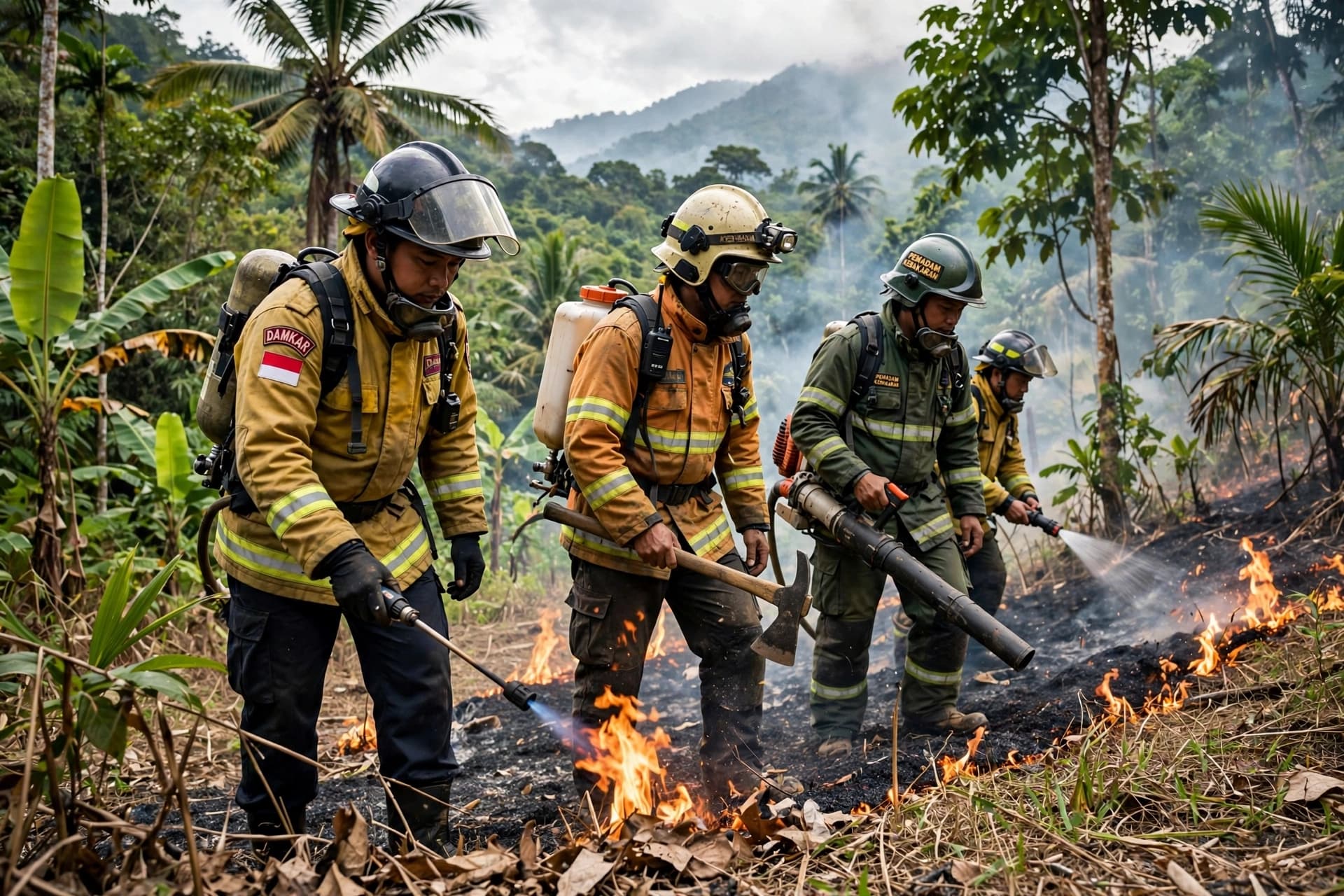
The source of the smoke lies in dry forests and rugged terrain, where firefighting efforts are ongoing. Crews are working tirelessly to contain the blazes, but dry conditions and strong winds make containment difficult. The situation underscores the urgent need for forest management and climate adaptation strategies to reduce the frequency and intensity of such fires.
As Portland braces for a week of heat and smoke, the community comes together to protect its most vulnerable members. The experience is a testament to the resilience of the human spirit in the face of environmental challenges. By staying informed and taking precautions, residents can navigate this difficult period with care and solidarity.
AI Image Disclaimer: The images associated with this article are AI-generated illustrations designed to represent the themes of air quality and urban heat.
Sources: The Oregonian, Weather.com, KPTV, IQAir
Published by Banx Network. This article is part of the Banx decentralized media programme, powered by the BXE token on the XRP Ledger.