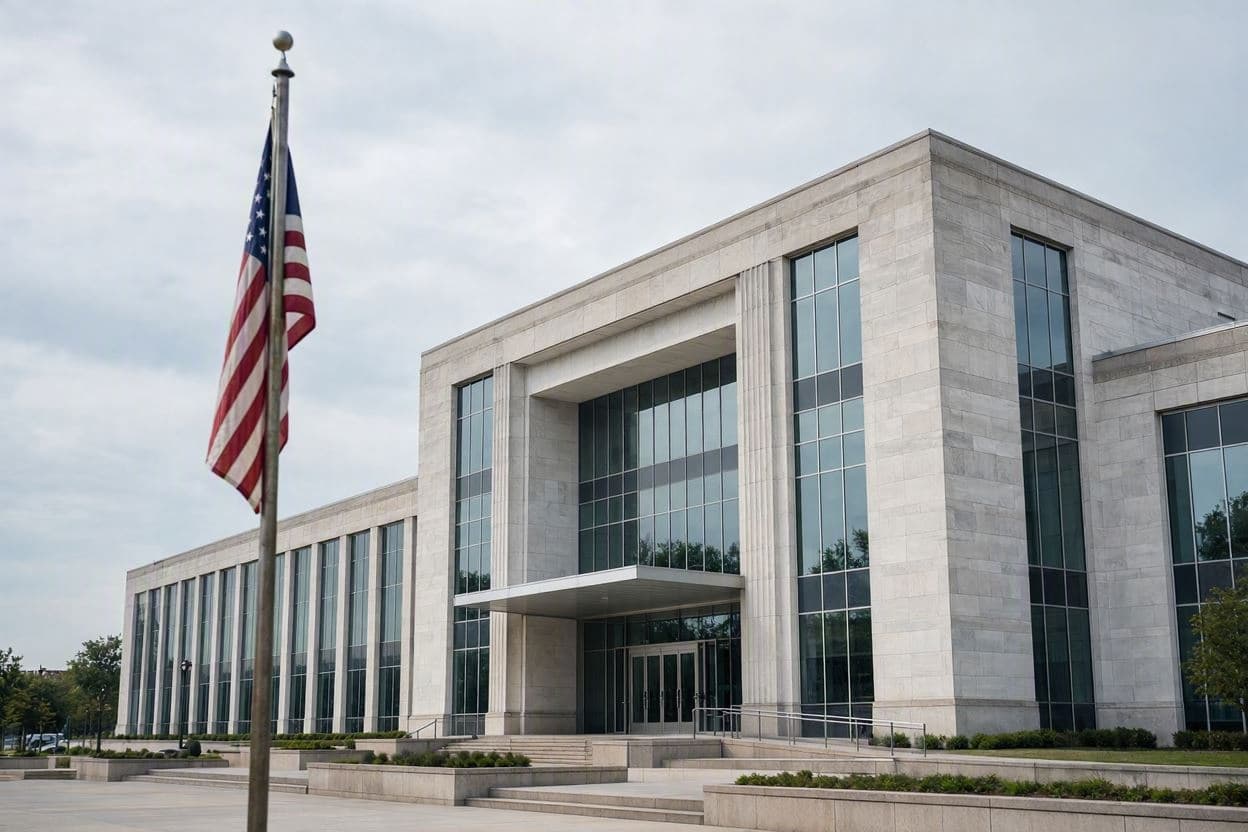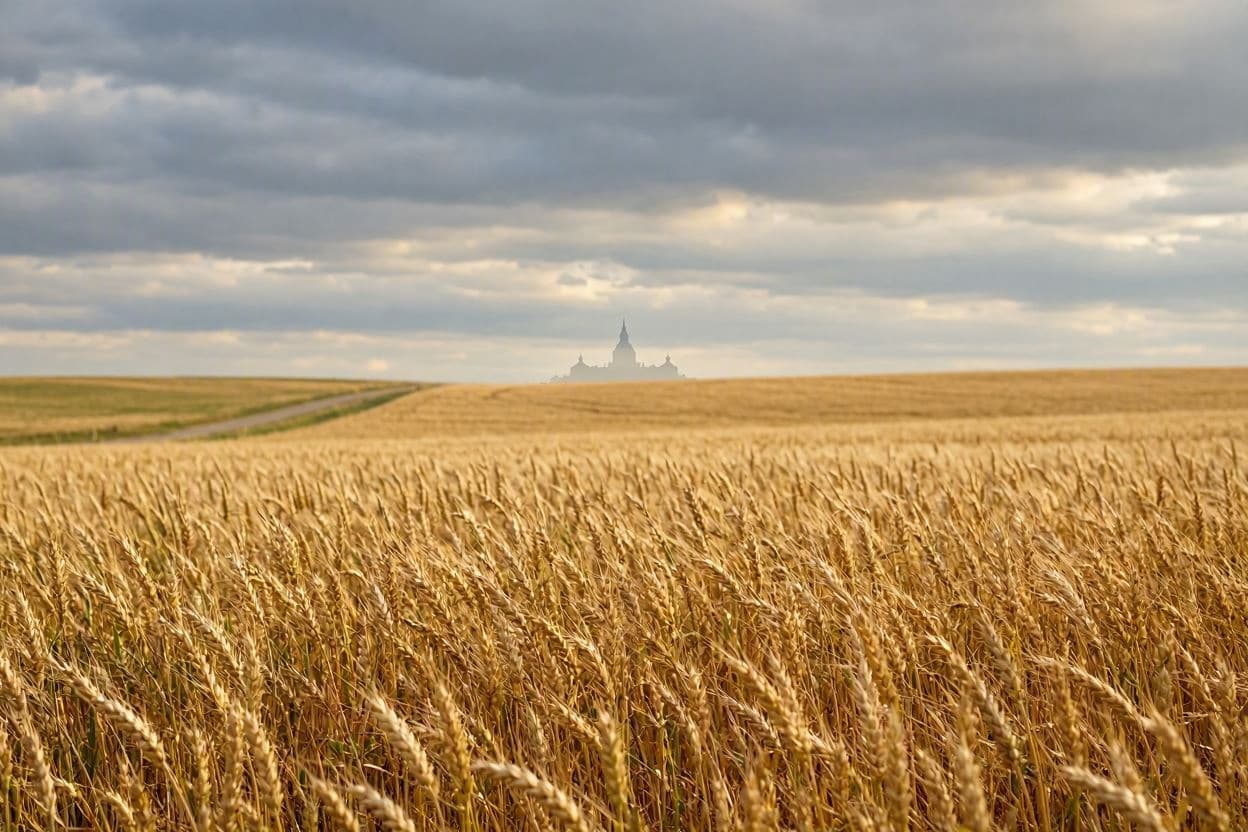
The American heartland is a landscape defined by cycles—of planting and harvest, of drought and rain, of boom and bust. For generations, farmers have weathered these natural rhythms with resilience and grit. Yet, in recent years, the challenges have shifted from purely environmental to deeply economic, compounded by trade disputes, rising input costs, and unpredictable markets. As financial pressures mount, many in the agricultural sector are looking toward Washington for a lifeline. However, the path to congressional relief is rarely a straight furrow; it is a complex maze of political negotiation, budgetary constraints, and ideological divergence.
The core of the issue lies in the expiration of key farm bill provisions and the need for updated safety nets. Farmers are seeking expanded crop insurance subsidies, disaster assistance, and support for those affected by volatile commodity prices. These requests are not merely about profit margins but about survival for family-owned operations that form the backbone of rural communities. Without timely intervention, many face the prospect of insolvency, which would have ripple effects throughout the local economies that depend on agricultural stability.
In Congress, however, the urgency felt in the fields does not always translate into legislative speed. The House and Senate are often divided along partisan lines regarding the scope and cost of federal aid. Some lawmakers argue for targeted assistance based on strict means-testing, while others advocate for broad-based support to ensure national food security. This philosophical divide creates a gridlock where bills stall in committee or fail to gain the necessary votes for passage, leaving farmers in a state of limbo.
Budgetary concerns further complicate the matter. With national debt levels high and competing priorities such as healthcare and defense vying for funding, allocating billions for agricultural relief requires difficult trade-offs. Fiscal conservatives urge caution, warning against adding to the deficit, while proponents of aid emphasize the strategic importance of maintaining a robust domestic food supply. The debate is not just about money but about values and national priority.
Additionally, the structure of modern agriculture plays a role in the hesitation. Large agribusinesses and small family farms often have different needs, and crafting legislation that addresses both without favoring one over the other is a delicate balancing act. Critics argue that past relief packages disproportionately benefited larger entities, leading to skepticism about the efficacy and fairness of new proposals. This scrutiny adds another layer of complexity to the legislative process.
Lobbying efforts from various agricultural groups are intense, each pushing for specific provisions that benefit their members. From corn and soybean growers to cattle ranchers and dairy producers, the diversity of the sector means there is no single unified voice. This fragmentation can dilute political pressure, making it easier for legislators to delay action in hopes of finding a compromise that satisfies all parties, a goal that remains elusive.
Despite the holdup, dialogue continues. Congressional leaders have expressed commitment to reaching a deal, acknowledging the critical role of agriculture in the nation’s economy. Temporary extensions and stopgap measures have been used to keep some programs running, but these are short-term fixes that do not address the underlying structural issues. Farmers remain hopeful that a comprehensive solution will emerge before the next planting season begins.
The delay in congressional relief for farmers underscores the intricate interplay between economic necessity and political reality. While negotiations continue, the agricultural community waits with bated breath, hoping for a resolution that ensures their viability. The outcome will not only affect individual livelihoods but also the broader stability of the nation’s food system.
AI Image Disclaimer: Please note that any accompanying visuals are AI-generated interpretations designed to illustrate the economic concepts discussed.
Sources: The Hill Politico Farm Journal Reuters
Published by Banx Network. This article is part of the Banx decentralized media programme, powered by the BXE token on the XRP Ledger.