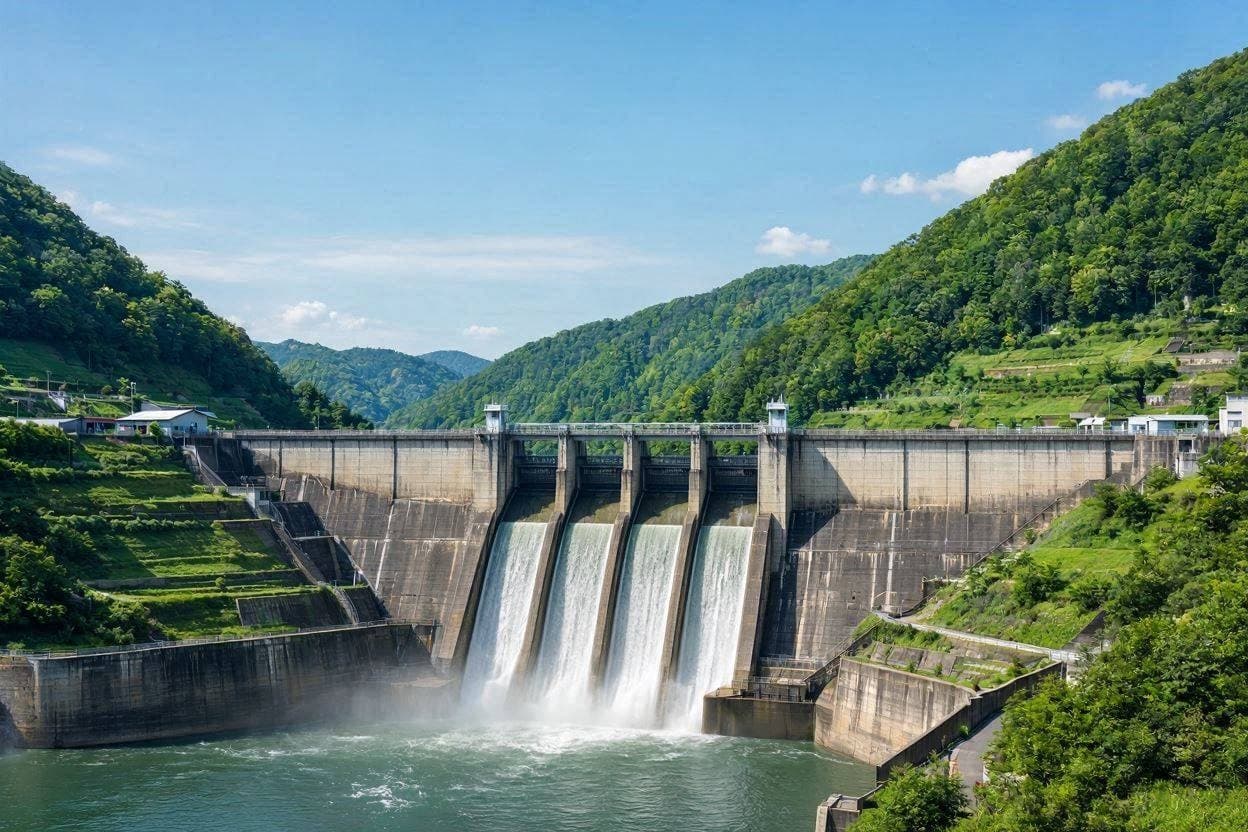
Water is the lifeblood of agriculture, a silent partner in the rhythm of planting and harvest that sustains nations. In Indonesia, an archipelago where the monsoon dictates the pace of life, the management of this precious resource has become a cornerstone of national strategy. The government’s decision to accelerate the construction of fifteen major dams reflects a profound commitment to securing the country’s food supply against the unpredictability of climate and the demands of a growing population.
These infrastructure projects are not merely engineering feats but vital components of a broader vision for self-sufficiency. By storing rainwater during the wet season and releasing it during dry periods, the dams aim to transform seasonal farming into year-round production. This shift is crucial for stabilizing rice yields, the staple crop that feeds millions, and reducing reliance on imports that can fluctuate with global market conditions.
The acceleration of these projects comes at a time when climate change is altering weather patterns across Southeast Asia. Erratic rainfall and prolonged droughts have threatened traditional agricultural cycles, making water storage infrastructure more critical than ever. The dams are designed to mitigate these risks, providing a buffer that allows farmers to plan with greater confidence and resilience.
Beyond irrigation, the dams serve multiple purposes, including flood control and hydroelectric power generation. In regions prone to seasonal flooding, these structures help protect communities and farmland from destructive surges. Simultaneously, the energy produced contributes to the national grid, supporting industrial growth and improving the quality of life in rural areas.
However, such large-scale development is not without its challenges. Environmental groups have raised concerns about the impact on local ecosystems, including the displacement of communities and the alteration of river habitats. The government has pledged to adhere to strict environmental standards and engage in meaningful consultation with affected populations, aiming to balance progress with preservation.
Economically, the investment in dams is expected to stimulate local economies through job creation and improved agricultural productivity. Farmers who gain access to reliable water sources can increase their output and income, contributing to rural prosperity. This economic uplift is seen as essential for reducing poverty and ensuring equitable development across the diverse islands of Indonesia.
As construction progresses, the focus remains on efficiency and transparency. Authorities are working to ensure that projects are completed on time and within budget, avoiding the delays that have plagued infrastructure initiatives in the past. The success of these dams will be measured not just in cubic meters of water stored, but in the stability and security they bring to the nation’s food system.
The acceleration of Indonesia’s dam projects marks a significant step toward long-term food security. By harnessing the power of water, the nation seeks to build a future where agriculture thrives regardless of the seasons, ensuring that no one goes hungry.
AI Image Disclaimer: The visuals accompanying this article are AI-generated illustrations designed to represent the themes of hydraulic infrastructure and agricultural sustainability.
Sources: Jakarta Post, Antara News, Reuters, World Bank Reports
Published by Banx Network. This article is part of the Banx decentralized media programme, powered by the BXE token on the XRP Ledger.