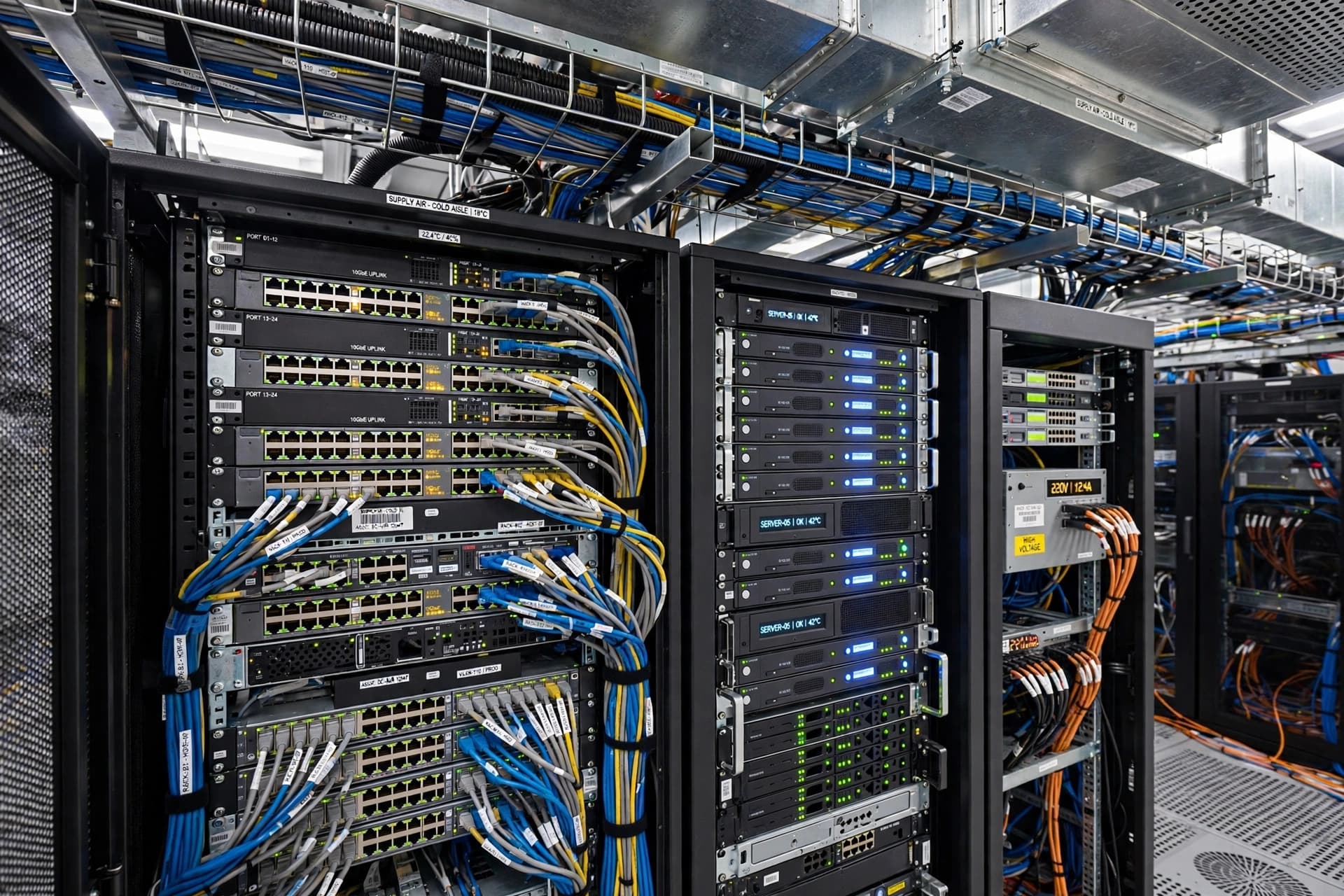
A gentle dawn rises over Milan, and with it comes the promise of a new horizon in intelligent computing. In early October 2025, ZTE’s Intelligent Computing Congress drew together voices from across the ICT world in this northern Italian city, not merely to speak of future technologies, but to weave a tapestry of cooperation, sustainability, and shared intelligence.
The congress, held as part of ZTE Global Summit & User Congress, gathered leading names — AMD, Turkcell, Red Hat, Fastweb & Vodafone, Whale Cloud among them — under the shared aspiration of “AI for All.” Speakers offered reflections on how full-stack intelligent computing, from hardware to software, can be opened to many, not just a few. Internal R&D gains, industry clouds tailored to sector needs, and smart terminals in diverse forms were invoked as tools toward making AI integration practical across sectors. ZTE emphasized that innovation is not merely invention but collaboration, where shared platforms nurture collective growth rather than isolated breakthroughs.
Zhang Wanchun of ZTE spoke of a resolve to scale global industrial cooperation, stressing that open ecosystems—not closed silos—are where value multiplies. Yang Rui illustrated a roadmap for deploying full-stack intelligent computing solutions, harnessing AI internally to speed development and easing barriers for industries to adopt end-to-end AI and cloud platforms. From the telco operators’ lens, contributions highlighted how performance, resilience, and efficiency must rise in tandem. Red Hat’s insights showed how networks are evolving from cloud-native toward AI-native modalities. Meanwhile, the practical concerns — data privacy, integration complexity, sustainability — were not cast aside but discussed as integral challenges to be addressed.
Looking outward, the congress served as an inflection point: a moment when promises of AI integration, green efficiency, and intelligent networks take shape through partnerships. ZTE’s message was clear — that computing power must be accessible, ecosystems must be open, and the digital economy must lean toward sustainability and inclusivity. The threads of hardware, software, policy, and industry stood entwined, hinting at a future shaped not by single players but by collaborative constellations.
In closing, the successful conclusion of ZTE’s Intelligent Computing Congress in Milan underscores a commitment toward global cooperation in intelligent computing. Its outcomes — stronger open ecosystems, clearer deployment strategies, and cross-industry engagement — suggest modest yet significant steps forward. Whether these will translate into widespread transformation depends on how these partnerships evolve, how challenges are met, and how inclusivity and sustainability continue as guiding principles.
AI Image Disclaimer: Visuals are AI-generated and intended for representation, not reality.
Sources: ZTE Corporation press release, MarketScreener, Reporte Asia, HPCwire, Digital Media Net
Published by Banx Network. This article is part of the Banx decentralized media programme, powered by the BXE token on the XRP Ledger.