Full Article (Opening–Body–Closing, Editorial Style) In the quiet hum of a clinic waiting room, diet sheets, blood pressure cuffs, and gentle conversations about food choices are everyday companions. Here, public health policy — often drafted in distant offices and printed in government bulletins — takes on personal meaning. This is the context in which McMillen Health, a local health provider, responded to the new national food pyramid and updated dietary guidelines with a simple, steady statement: “We always follow federal guidelines.”
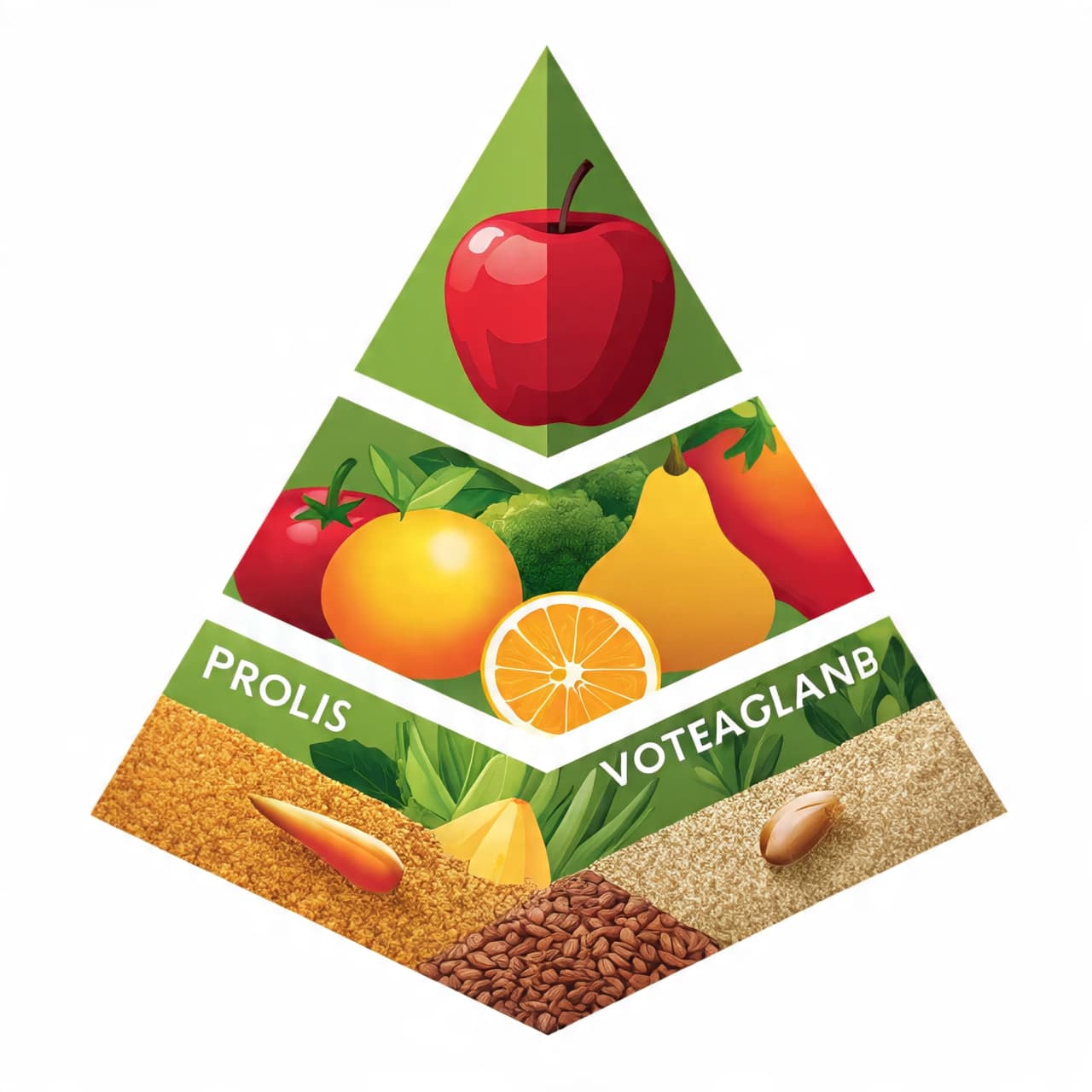
The remark comes amid one of the most significant changes to American nutritional guidance in decades. In January 2026, the U.S. Departments of Agriculture (USDA) and Health and Human Services (HHS) unveiled a redesigned inverted food pyramid as part of the 2025–2030 Dietary Guidelines for Americans. These guidelines reshape how the government visualizes healthy eating, placing protein, dairy, healthy fats, fruits and vegetables more prominently, and emphasizing limits on processed foods and added sugars.
For patients seeking advice on nutrition, McMillen Health’s adherence to federal recommendations can provide reassurance that local practice reflects national standards. Federal dietary guidelines — updated jointly every five years — serve as the foundation for clinical counseling, nutrition education, and public health programs. They are intended to guide everything from school lunch menus to veterans’ meal plans and community health messaging, and McMillen Health’s alignment underscores that local care is shaped by these broader policies.
Yet the new pyramid and accompanying guidelines have sparked discussion among nutrition experts. The redesigned chart reverses decades of visual messaging, elevating protein, fats, and dairy while positioning whole grains lower in the hierarchy. Some see positives in its clear call against highly processed foods and added sugars. Others caution that emphasizing animal proteins and saturated fats — even with limits — risks confusing consumers and may not fully reflect current nutrition science.
For clinics like McMillen Health, national guidance provides a common baseline, but individual patient care often requires personalization. Federal guidelines talk in broad strokes, leaving room for dietitians and healthcare providers to tailor advice to patient age, activity level, cultural food patterns, and specific health concerns. This local interpretation of national policy ensures that nutritional advice remains practical, culturally relevant, and meaningful for individual lives — whether that’s advising more vegetables or adapting protein recommendations.
From policy pronouncements in Washington to advice shared in a patient room, the journey of dietary guidance is as much about application as it is about recommendation. McMillen Health’s adherence to federal guidelines reflects a commitment to evidence‑based care, even as the broad shifts in national recommendations invite healthy debates about how we eat, what we teach, and how we support community health in everyday life.
AI Image Disclaimer (Rotated Wording) “Graphics are AI-generated and intended for representation, not reality.”
Sources Coverage of the updated U.S. dietary guidelines and new inverted food pyramid and McMillen Health’s reference to following federal guidelines.
Published by Banx Network. This article is part of the Banx decentralized media programme, powered by the BXE token on the XRP Ledger.