
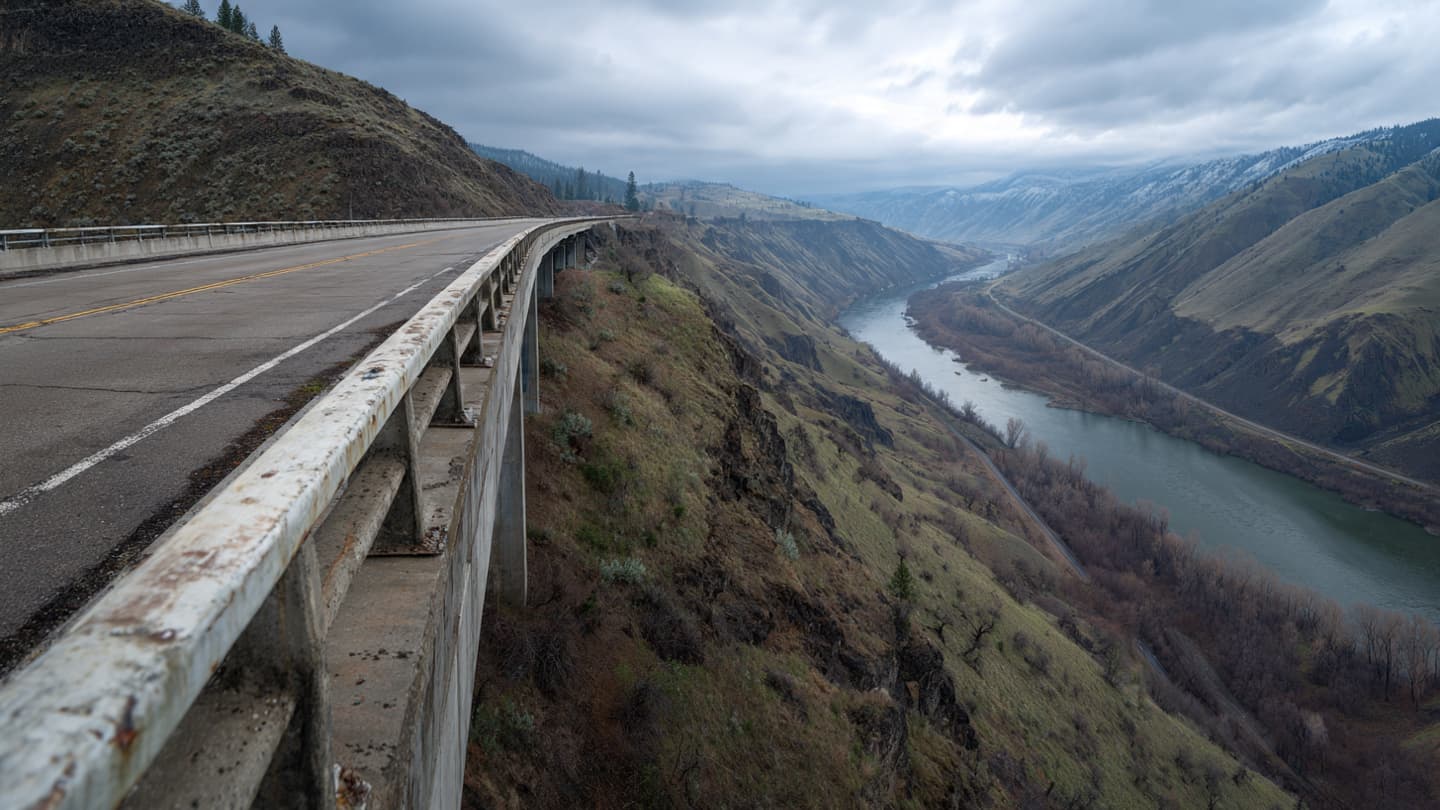
GUATEMALA CITY, Guatemala — A catastrophic transit disaster unfolded along the Puente Belice highway bridge in the early hours of Monday, when an overcrowded passenger bus careened off the roadway and plunged into a heavily polluted ravine, leaving at least 55 people dead and several others critically injured. The vehicle, traveling at high speed, lost control after colliding with two civilian automobiles and smashing through the bridge's protective metal railings. It plummeted approximately 20 meters into the raw-sewage waters of the Las Vacas River, crushing the chassis and trapping dozens of passengers within the wreckage.
Emergency response teams, including municipal firefighters and military search-and-rescue units, descended into the steep, toxic basin shortly after the 4:30 a.m. impact. Rescuers faced hazardous terrain, thick mud, and noxious fumes from the polluted river while attempting to cut through the mangled steel framework of the vehicle. Authorities confirmed that 53 victims died instantly at the scene of the crash, including the 24-year-old driver, while two additional passengers succumbed to their extensive injuries after being transported to local hospitals.
National police investigators immediately secured the site to determine the precise mechanics of the failure, focusing heavily on potential mechanical breakdown, severe overcrowding, and driver negligence. Preliminary findings from the Directorate General of Transport revealed that the vehicle was operating significantly beyond its legal passenger capacity along a heavily trafficked transit corridor. Forensic teams have requested comprehensive post-mortem toxicological screenings on the driver to evaluate whether physical impairment or substance use contributed to the sudden loss of control on the bridge.
The staggering loss of life prompted immediate state action, with President Bernardo Arévalo declaring three consecutive days of national mourning to honor the victims. The executive branch mobilized emergency funding from the national disaster agency to assist grieving families with repatriation and funeral costs, while ordering a sweeping review of public transport safety protocols. Military personnel were deployed to maintain security around the perimeter of the ravine as heavy machinery was brought in to hoist the fractured remains of the bus from the riverbed.
Public pressure has intensified on municipal and national regulatory agencies to address longstanding infrastructure deficits along the capital’s primary overpasses. The Puente Belice, a critical arterial bridge connecting dense urban sectors, has faced repeated scrutiny regarding its structural resilience and the adequacy of its protective barriers. Civil engineering groups noted that the existing guardrails were entirely insufficient to redirect or contain a commercial vehicle of that weight class during a high-velocity collision.
As criminal prosecutors continue their formal forensic inquiry at the crash site, medical personnel are monitoring the remaining survivors, many of whom suffer from severe polytrauma and respiratory complications caused by the ingestion of contaminated river water. The identifies of the 54 fatal victims have been systematically compiled and released to the public, drawing widespread mourning from community leaders and religious institutions across the country. The wreckage remains secured under judicial order as a vital piece of evidence in the ongoing public safety investigation.
Published by Banx Network. This article is part of the Banx decentralized media programme, powered by the BXE token on the XRP Ledger.


