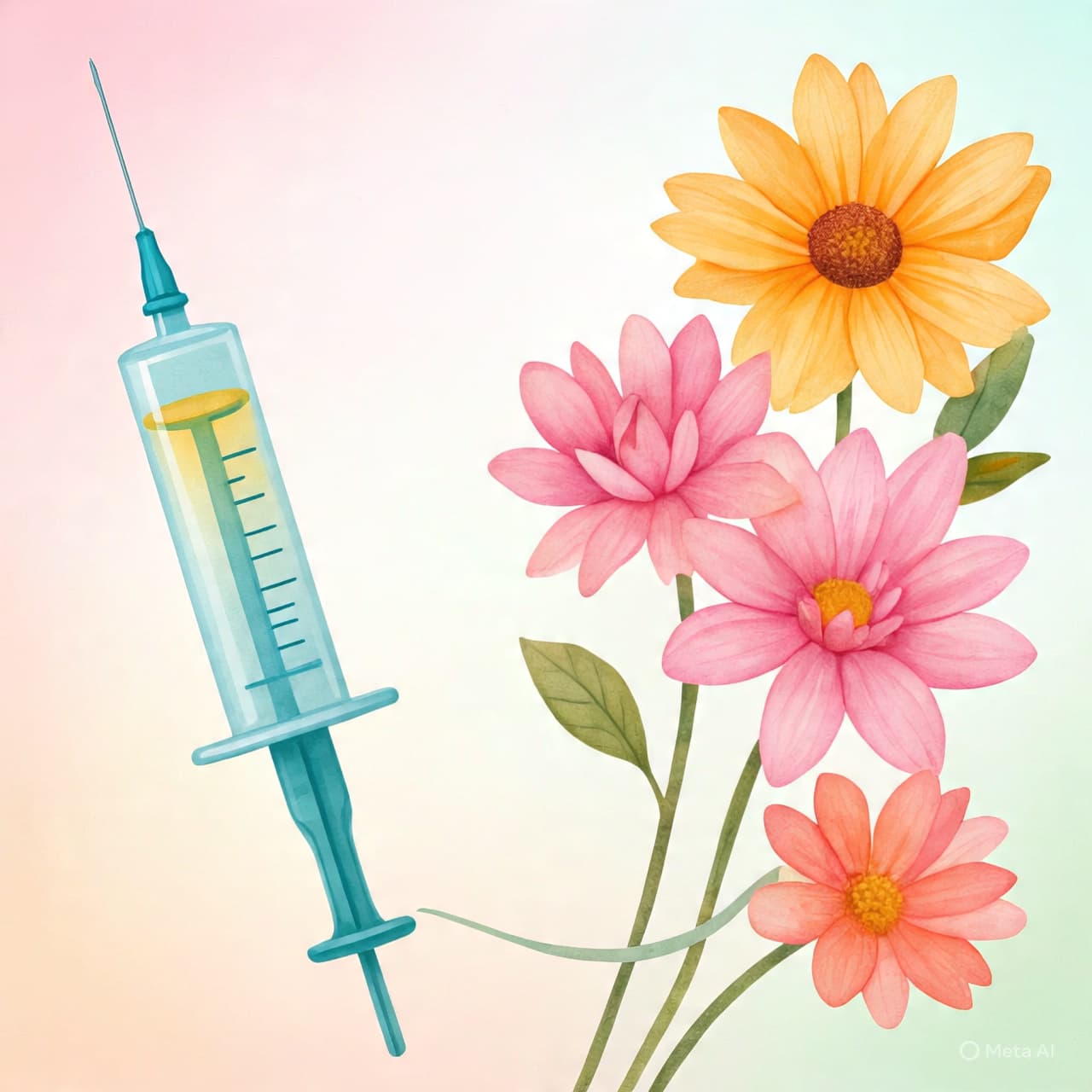
As dawn softly colors the horizon, imagine our bodies as ancient forests — each cell a delicate leaf, each organ a grove, and our immune system the quiet guardian of that woodland. Just as a gardener waters young saplings to ensure they grow strong, modern medicine offers vaccines — acts of care sown early — to help those cells flourish, unburdened by disease. In a world where infections can plant seeds of chronic illness or even cancer, these vaccines stand as silent protectors, long before any illness takes root.
Among the most celebrated of these protectors is the vaccine against Human papillomavirus (HPV). HPV is a common virus transmitted through intimate contact, and certain strains of it are responsible for a large share of cervical cancers — as well as other cancers of the genital region, and some cancers of the throat and mouth. By vaccinating individuals — ideally from early adolescence — we can block those high-risk viral strains before they ever infect cells, greatly reducing the chance that those cells later mutate and turn malignant.
Another critical vaccine is the one for Hepatitis B (HBV). Chronic HBV infection can silently damage the liver over many years, increasing risk of chronic liver disease, cirrhosis — and ultimately, liver cancer. Because the HBV vaccine prevents the infection from ever taking hold, it also protects against the long-term complications that often emerge decades later. This makes it one of the earliest vaccines developed with cancer prevention in mind.
But the benefit of vaccines goes beyond cancer. By protecting us from acute infections — such as pneumococcal disease, influenza, and other serious illnesses — vaccines reduce the risk that a simple infection spirals into chronic complications, especially for people who may already have health vulnerabilities (like respiratory or cardiovascular conditions). In this way, vaccines act like a gentle shield: preserving long-term health by preventing both the overt and the subtle — the sudden illness, and the quiet damage over time.
It is a reminder: health is seldom about heroic cures in a moment of crisis. Often, it is about the quiet decisions we make today — the small shots, the timely visits, the simple acts of prevention. In a body as delicate and complex as a forest ecosystem, these choices matter. And vaccines — when used wisely — help ensure the forest remains green, thriving, and intact.
As we move forward, embracing vaccines not just for childhood illnesses but as long-term guardians against chronic and serious diseases, we are choosing resilience. We are affirming — in the softest, most hopeful of ways — that prevention is not just better than cure: it is a gift to our future selves.
AI Image Disclaimer Visuals are created using AI tools and are intended as conceptual illustrations, not actual photographs.
Sources Centers for Disease Control and Prevention (CDC), The Cancer Atlas, GAVI, Cancer Science, World Health Organization
Published by Banx Network. This article is part of the Banx decentralized media programme, powered by the BXE token on the XRP Ledger.