In the verdant landscapes of the Netherlands, where agriculture has long been a blend of tradition and innovation, a new chapter is being written in the science of plant life. The nation has committed significant resources to upgrading its crop phenotyping facilities, aiming to deepen our understanding of how plants interact with their environment. This investment is not merely about building better laboratories; it is about cultivating a future where food security and sustainability are guided by precise, data-driven insights. It is a quiet revolution rooted in the soil.
Body: The focus of this initiative is the Netherlands Plant Eco-phenotyping Centre (NPEC), which has received funding for a major upgrade known as NPEC 2.0. With a budget of €5.4 million, the project aims to enhance the center’s capacity to study plant traits in ecologically realistic conditions. By moving beyond controlled indoor environments, researchers can now observe how crops respond to the complexities of outdoor weather, soil variations, and biological interactions.
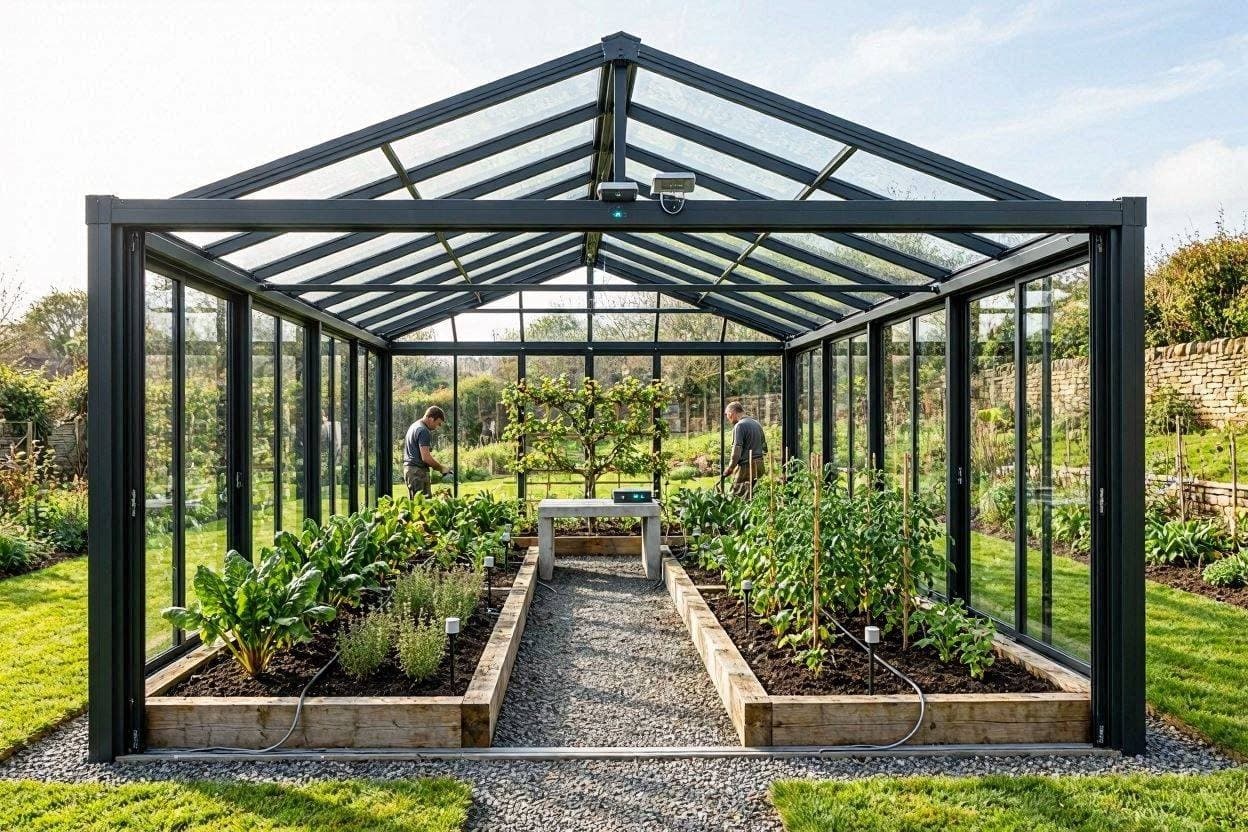
A key component of this upgrade is the installation of open-air Ecotron units. These sophisticated structures allow scientists to manipulate environmental factors such as temperature, humidity, and CO2 levels while keeping plants in a natural setting. This hybrid approach bridges the gap between laboratory precision and field reality, providing data that is both accurate and applicable to real-world farming challenges. It is a method that respects the intricacy of nature while seeking to understand it.
The facility also includes an intact soil core extractor, a tool that enables researchers to transfer large blocks of soil with their native microbial communities into the Ecotrons. This ensures that the biological context of the plant’s root system is preserved, offering a more holistic view of plant health. By studying the interplay between roots, soil, and atmosphere, scientists can identify traits that contribute to resilience and productivity.
This investment reflects the Netherlands’ broader commitment to sustainable agriculture. As climate change alters growing conditions globally, the need for crops that can withstand stress becomes urgent. Phenotyping—the measurement of physical and biochemical traits—allows breeders to select varieties that are better suited to changing environments. It is a proactive step toward ensuring that agricultural systems remain robust in the face of uncertainty.
Collaboration is at the heart of this endeavor. The NPEC works with universities, research institutes, and private companies to share knowledge and technology. This network fosters innovation, allowing discoveries made in the lab to translate quickly into practical solutions for farmers. It is a model of open science that benefits the entire agricultural sector, from seed developers to end consumers.
For the global community, the advancements made in the Netherlands have far-reaching implications. As a leader in agricultural technology, the country’s findings often set standards for best practices worldwide. By investing in high-quality phenotyping infrastructure, the Netherlands contributes to a global pool of knowledge that can help address food insecurity and environmental degradation.
Closing: The upgrade of the NPEC facility is a testament to the power of scientific inquiry in solving practical problems. By investing in the tools to understand plant life more deeply, the Netherlands is planting seeds for a more sustainable and secure future. It is a reminder that progress often grows from the ground up, nurtured by curiosity and care.
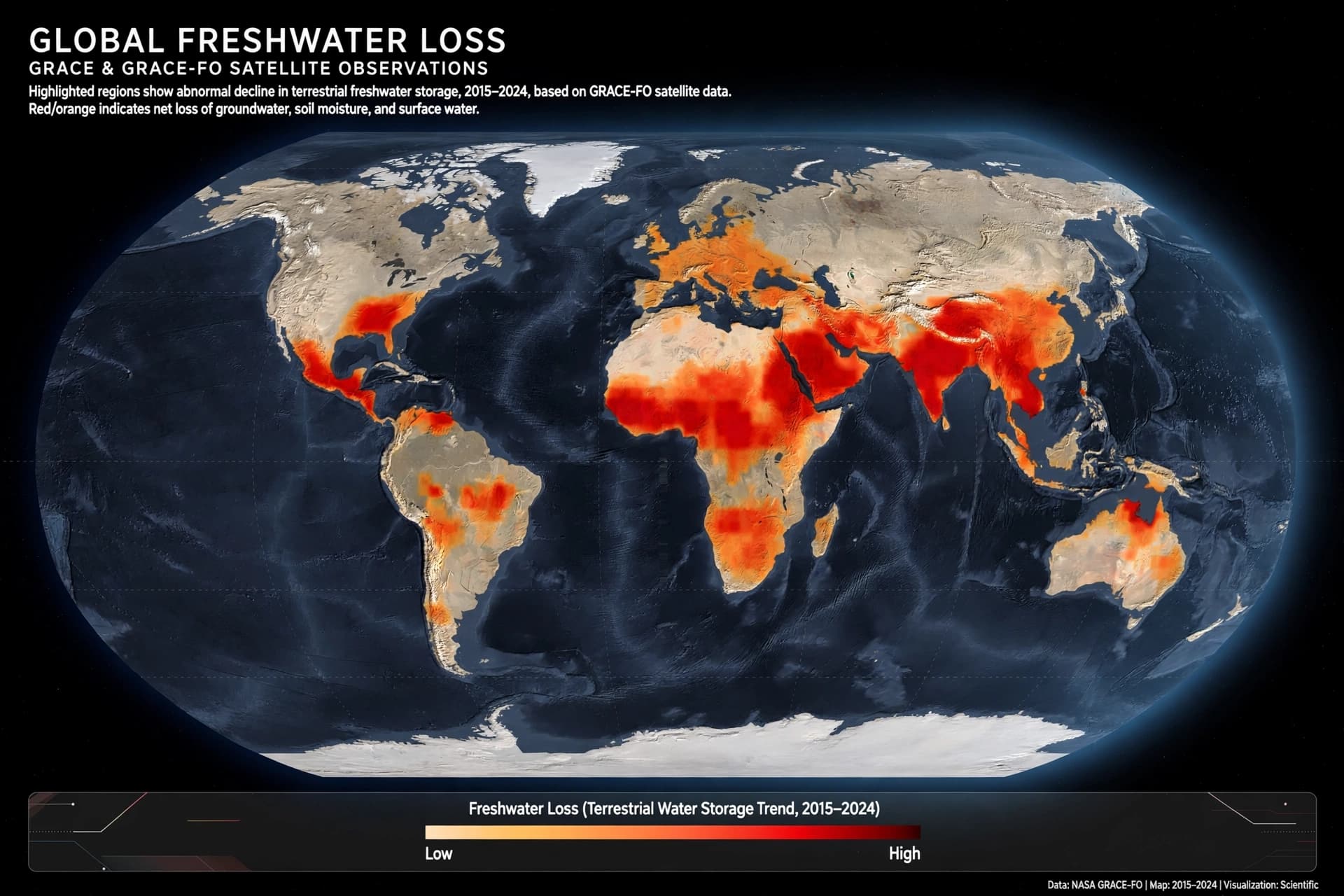
AI Image Disclaimer: The images accompanying this article are AI-generated illustrations of modern agricultural research facilities and plant science concepts, designed to visualize the technological advancements discussed.
Sources: HortiDaily Tridge Netherlands Plant Eco-phenotyping Centre (NPEC) Wageningen University & Research
Published by Banx Network. This article is part of the Banx decentralized media programme, powered by the BXE token on the XRP Ledger.