Johannesburg, South Africa—A major structural failure at a key transmission substation triggered a massive power outage this morning, plunging commercial districts and residential areas into dark conditions. The blast occurred shortly after 08:00 local time, knocking out primary feed lines and cascading through the regional energy network within seconds. Emergency services immediately responded to fires at the site while transit authorities worked to clear stranded commuter trains across the metropolitan network.
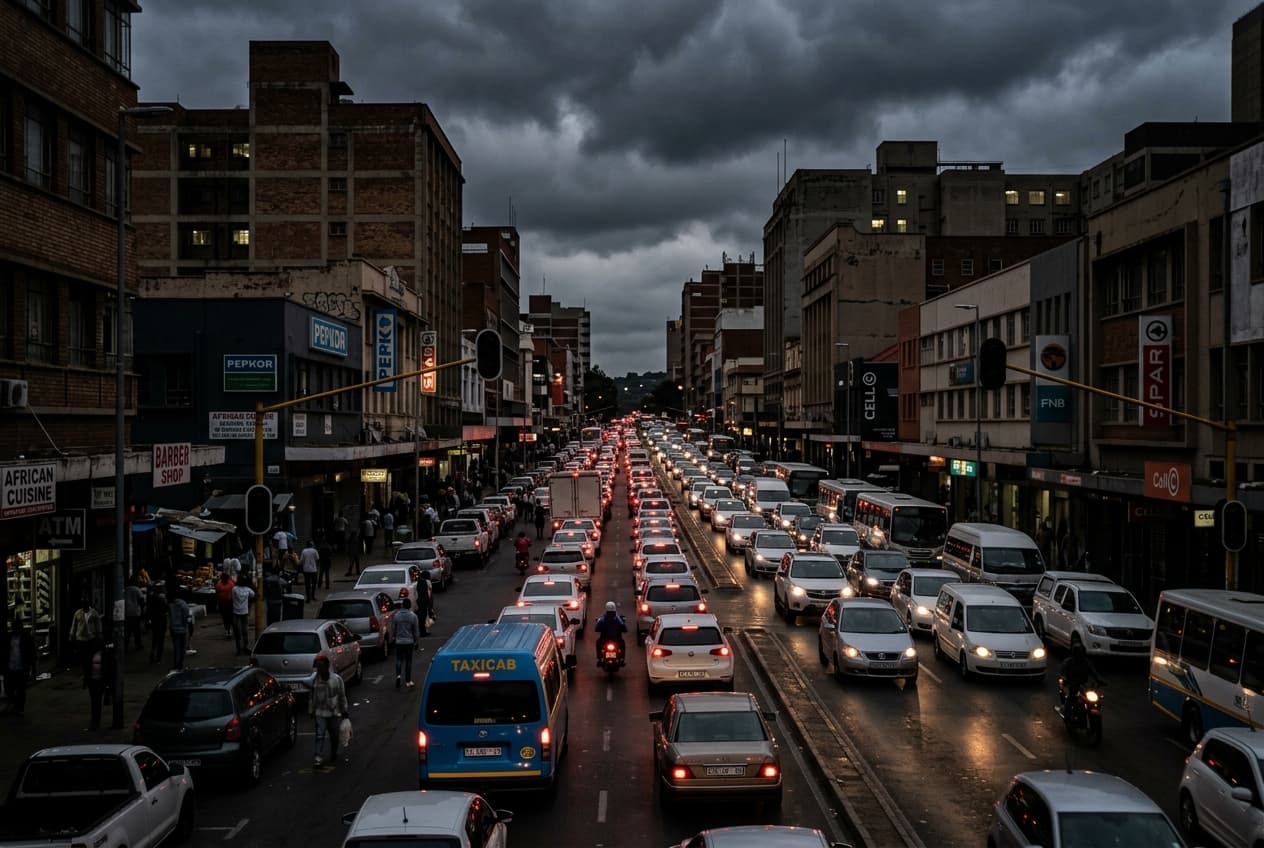
City traffic halted almost instantly as traffic signals went dark across major intersections. Commuters faced massive gridlock along primary arterial routes, while suburban rail lines ground to a complete stop between stations. Emergency crews spent hours extracting passengers trapped inside stranded rail cars and office building elevators. City hospitals immediately switched over to diesel backup generators to keep intensive care units and operating rooms fully operational throughout the morning.
Engineers at the state utility company confirmed that a primary transformer bank suffered catastrophic insulation failure, triggering a chain reaction across three connected substations. The explosion ignited a high-intensity oil fire that required specialized industrial foam units to extinguish. First responders contained the blaze by mid-day, but structural damage to the control facility remains severe. Utility officials warned that replacing damaged high-voltage components could take days rather than hours.
Local business groups expressed immediate frustration over the lack of redundancy in the municipal power grid. Commercial banks reported that automated teller networks and branch processing systems went offline across the regional network, forcing businesses to halt cash operations. Small business owners along commercial corridors scrambled to secure portable generators, but local equipment suppliers reported running out of available units within two hours of the initial collapse.
Municipal leadership convened an emergency civil defense task force to manage public safety and traffic routing across the affected sectors. Additional police patrols were deployed to major commercial centers to prevent looting and manage traffic control at un-signaled intersections. City officials urged residents to limit water usage, as municipal pumping stations are operating at reduced capacity on secondary power systems.
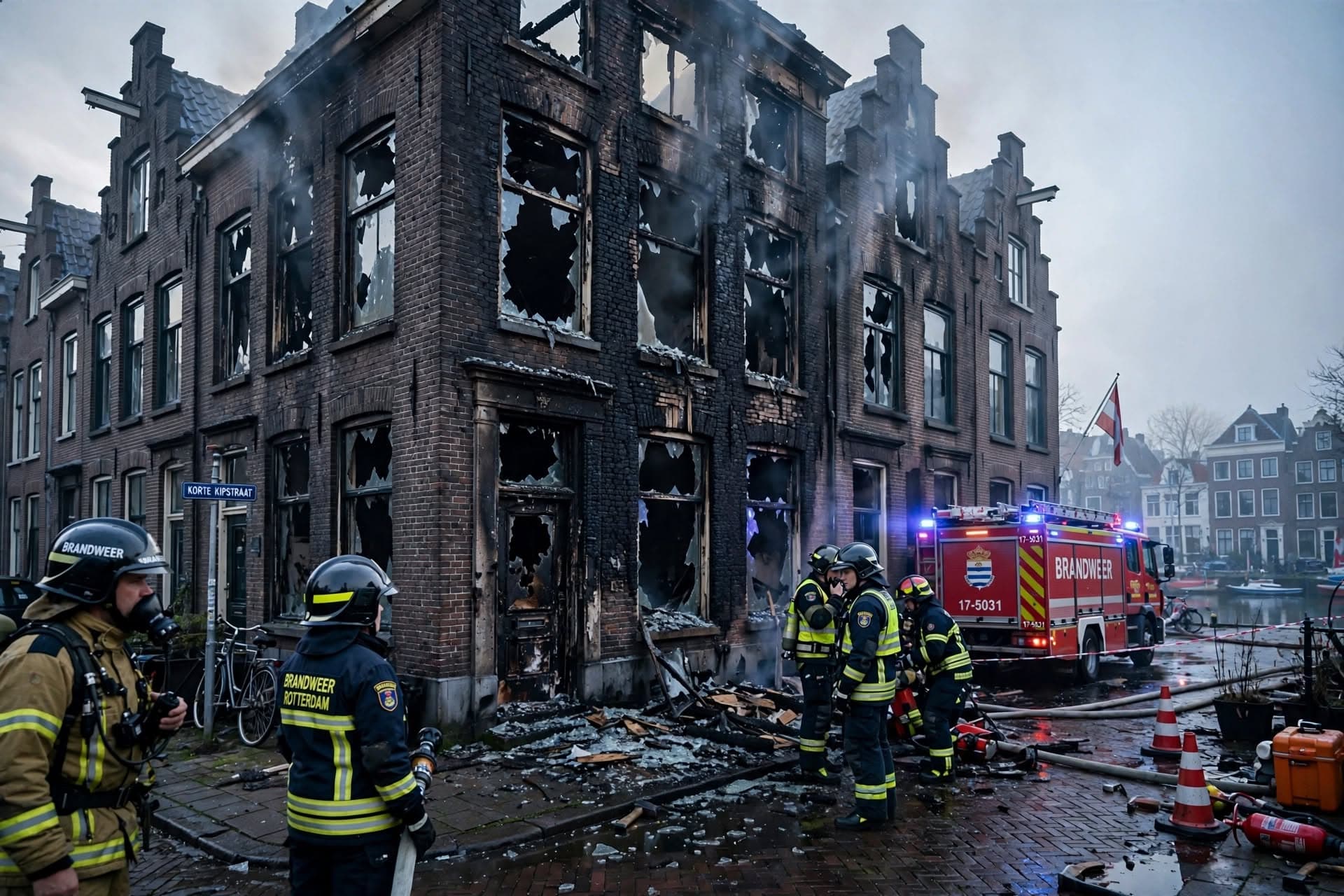
Environmental monitoring crews arrived near the damaged substation to assess smoke plume density and chemical runoff from the fire suppression efforts. Surrounding residential blocks were temporarily evacuated due to thick black smoke, though residents were permitted to return home by early afternoon. Soil containment teams set up absorption barriers around storm drains to capture transformer oil leaks from the damaged facility.
Utility executives declined to provide a precise timeline for full service restoration during an afternoon press conference. Technical crews are currently clearing charred debris and setting up bypass lines to route electricity around the destroyed infrastructure. Power has been restored to limited municipal assets, but broad swathes of the city remain entirely without electricity as darkness approaches.
Work teams at the substation continue clearing burned electrical wiring under temporary floodlights powered by mobile generators. The central control room remains offline while forensic investigators inspect the origin point of the initial blast. Regional energy authorities have requested technical support from neighboring utility districts to supply emergency mobile transformers.
Published by Banx Network. This article is part of the Banx decentralized media programme, powered by the BXE token on the XRP Ledger.