
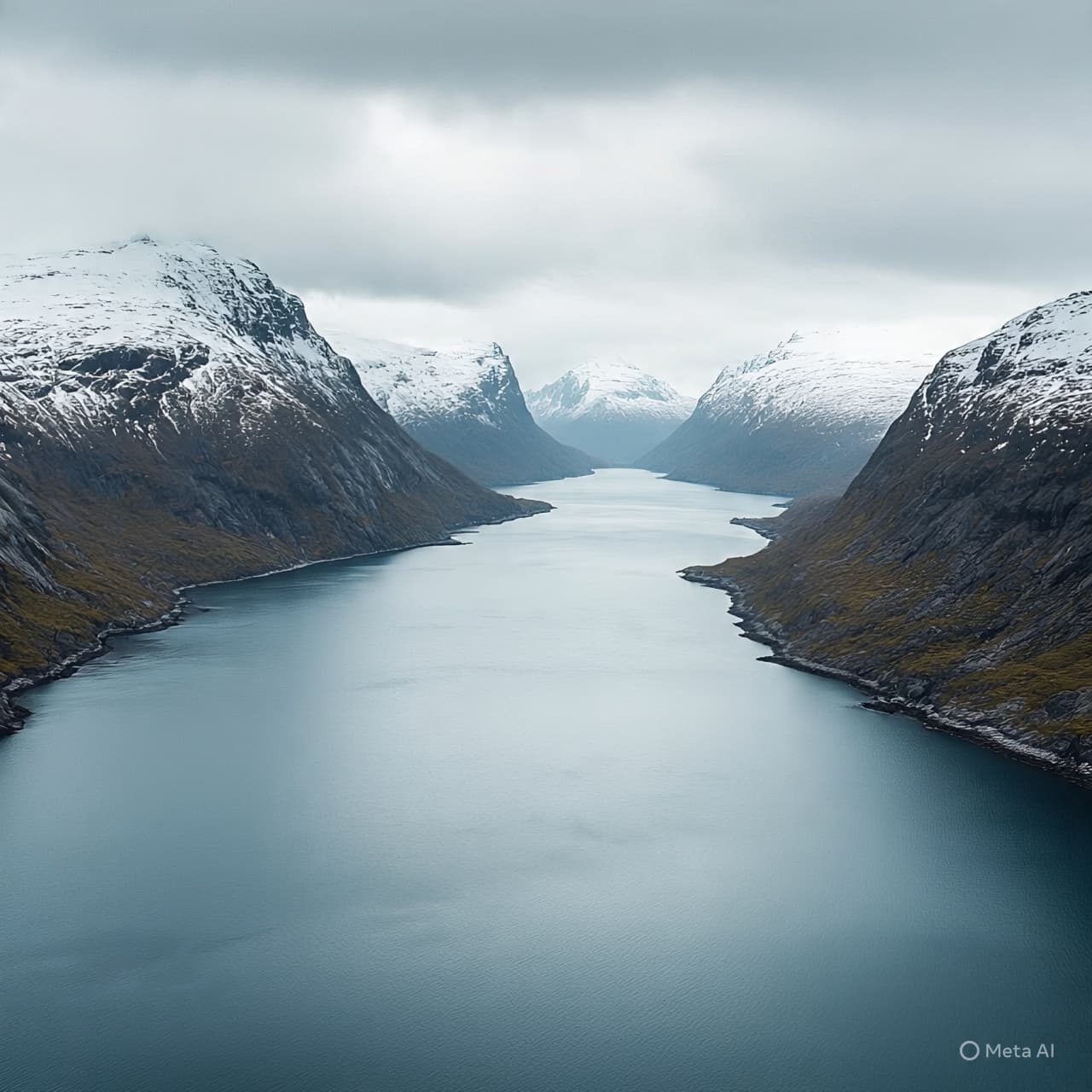
At the top of the world, where ice meets horizon and silence stretches across vast fjords, geopolitics quietly weaves its patterns. In recent days, China’s ambassador to Canada has signaled that Beijing and Ottawa are “eye to eye” on supporting Greenland’s territorial integrity, a statement that frames cooperation amid an environment often defined by tension.
The remarks reflect a rare alignment on Arctic affairs, where the convergence of climate, security, and resources often pulls nations in different directions. Greenland, an autonomous territory of Denmark, occupies a unique position — geographically remote yet strategically central — its ice and minerals drawing the gaze of capitals thousands of miles away.
For Ottawa, the message reinforces a commitment to sovereignty and international norms, affirming support for Greenland while navigating the complex currents of Arctic diplomacy. Beijing’s statement emphasizes a similar respect for international law, while highlighting its role as a “constructive partner” in Arctic research and development.
Yet beyond the formal language lies the intricate dance of global interests. Shipping routes, mineral wealth, and strategic presence make Greenland a point of attention not only for Canada and China but for other major powers, including the United States and NATO allies. Every statement, every diplomatic gesture, resonates within this broader, delicate web.
Analysts suggest that such alignment, while notable, is cautious and pragmatic. Cooperation in areas like climate monitoring or scientific research does not erase underlying competition, but it provides a shared platform for dialogue. In practical terms, it is a moment to acknowledge shared interests without overlooking potential tensions.
For Greenland itself, these discussions are not abstract. The territory’s residents, governance, and natural environment exist at the intersection of global policy and local lives. Statements of support underscore international attention, but they also remind observers that sovereignty, respect, and care for the environment are intertwined.
The diplomatic conversation — framed in words of alignment — serves as a quiet testament to the nuances of international engagement. Even in regions defined by ice and remoteness, the choices and words of nations leave tangible traces, shaping perceptions, trust, and the possibilities of cooperation. In this Arctic chapter, being “eye to eye” is not simply agreement; it is a shared acknowledgment of complexity, stewardship, and the enduring significance of place.
AI Image Disclaimer Illustrations are AI-generated and intended for conceptual purposes.
Sources Global News / Canadian Press Reuters (Arctic diplomacy coverage) CityNews Ottawa Xinhua News Agency (official statements)
Published by Banx Network. This article is part of the Banx decentralized media programme, powered by the BXE token on the XRP Ledger.


