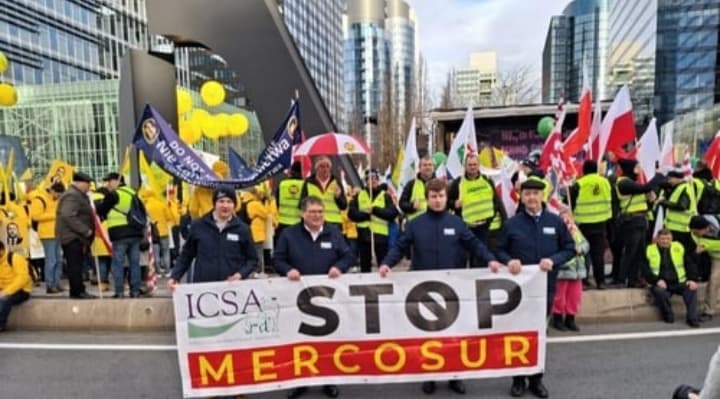
The government has officially expressed grave concerns over the proposed Mercosur trade deal, a significant agreement involving South American nations including Argentina, Brazil, Paraguay, and Uruguay. Officials are wary that the deal may adversely impact environmental protections and local economies, leading to potential long-term consequences.
Key issues cited include the potential for increased deforestation and environmental degradation, particularly in regions like the Amazon. Concerns have been raised that the rapid expansion of agriculture and related industries could exacerbate climate change and biodiversity loss. Critics argue that the deal might prioritize trade over important ecological standards, undermining efforts to combat global warming.
Furthermore, local industries could face heightened competition from imports, threatening jobs and economic stability in certain sectors. Farmers and manufacturers worry that an influx of cheaper goods from Mercosur countries could result in unfair market conditions, placing domestic producers at a disadvantage.
In response to these concerns, the government is calling for thorough assessments and potential modifications to the trade agreement to ensure that both economic and environmental standards are upheld. Advocates for sustainable practices urge the government to take a firm stance in negotiations, insisting that any deal must align with the country’s commitment to protecting its natural resources.
As the situation continues to evolve, stakeholders are closely monitoring the implications of the Mercosur trade deal. The government's grave concerns reflect a growing recognition that trade agreements must balance economic benefits with social and environmental responsibilities. With negotiations ongoing, the outcome remains uncertain, but the need for a responsible approach to trade is increasingly apparent.
Published by Banx Network. This article is part of the Banx decentralized media programme, powered by the BXE token on the XRP Ledger.