Banx Media Platform logo
TECHNOLOGYHappening Now

Google AI Overviews Cite YouTube More Than Any Medical Site for Health Queries

A recent study reveals that Google’s AI-generated answers to health questions predominantly cite YouTube over traditional medical sources. This raises concerns about the reliability of health information disseminated through Google’s AI Overviews, as they often lack rigorous medical vetting.

D

Darren Sofia

EXPERIENCED
5 min read
16 Views
Credibility Score: 90/100
Google AI Overviews Cite YouTube More Than Any Medical Site for Health Queries

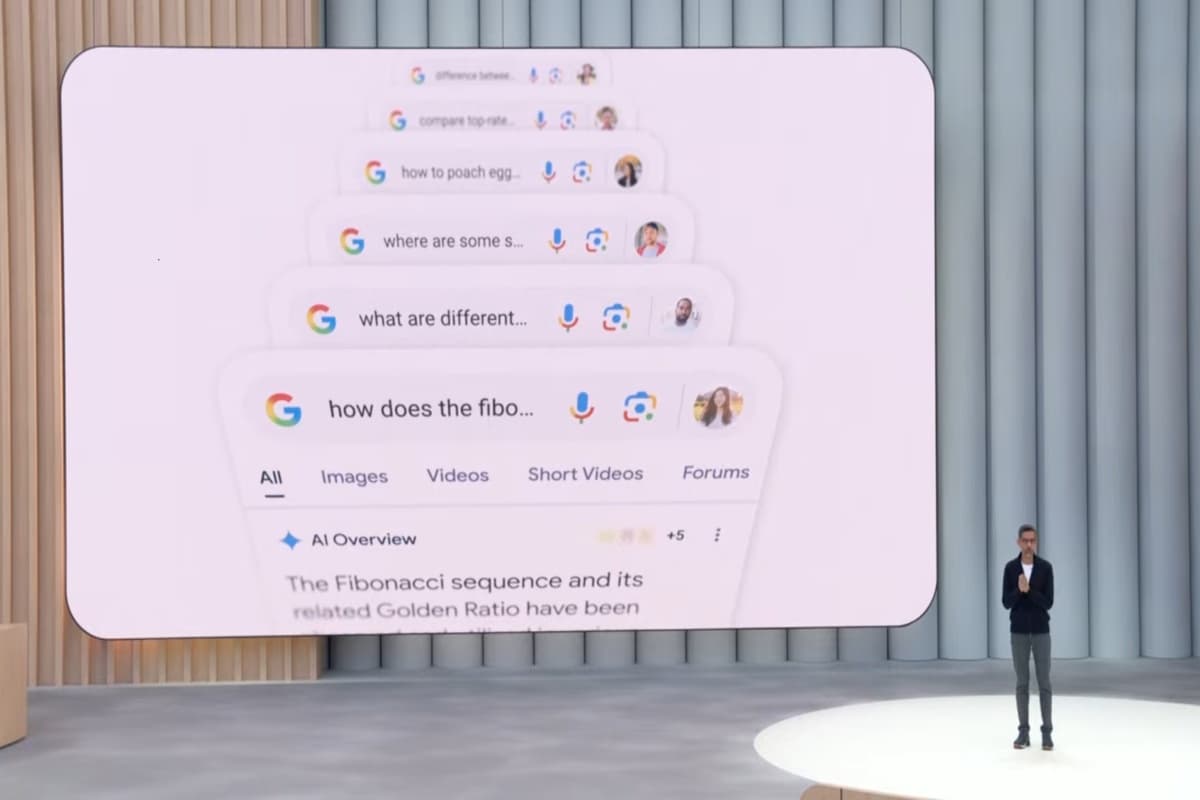
According to a study by SE Ranking, Google AI Overviews now reference YouTube more than any reputable medical site when addressing health-related queries. An analysis of over 50,000 health search queries revealed that YouTube accounted for 4.43% of all AI Overviews, significantly outpacing authoritative sources like hospitals and government health agencies.

The findings come amid increasing scrutiny of Google’s AI health summaries, recently highlighted by a The Guardian investigation. This report detailed instances where AI Overviews provided misleading medical advice, such as incorrect dietary recommendations for pancreatic cancer and misinterpretations of liver test results. Experts criticized this misinformation as potentially dangerous, leading some users to make harmful health assumptions.

Google insists that its AI Overviews rely on high-quality medical sources. However, the prevalence of citations from YouTube—a platform known for mixed content quality—has sparked concerns about how information is curated and presented. While many videos are produced by licensed healthcare professionals, a significant portion of uploaded content derives from non-professionals and influencers lacking medical training, further complicating the accuracy issue.

In the study, 34.45% of citations came from more reliable medical sources, indicating a troubling imbalance in information dissemination. Comparatively, academic and government health institutions contributed only about 1% of all AI Overview citations.

Critics are calling for Google to enforce stricter guidelines to ensure that health-related AI Overviews prioritize accurate and evidence-based medical information. With over 82% of health queries triggering these AI summaries, the implications for public safety and health literacy are significant. As such, addressing the reliability and safety of information provided by AI-generated health summaries is becoming increasingly urgent in today’s digital landscape.

Published by Banx Network. This article is part of the Banx decentralized media programme, powered by the BXE token on the XRP Ledger.


Decentralized Media

Powered by the XRP Ledger & BXE Token

This article is part of the XRP Ledger decentralized media ecosystem. Become an author, publish original content, and earn rewards through the BXE token.

Newsletter

Stay ahead of the news — and win free BXE every week

Subscribe for the latest news headlines and get automatically entered into our weekly BXE token giveaway.

No spam. Unsubscribe anytime.

Share this story

Help others stay informed about crypto news

Related articles

Keep exploring the latest stories.

View more
When Cloud Meets Artificial Intelligence, Alibaba Builds a Costly Bridge Toward China’s Digital Future

When Cloud Meets Artificial Intelligence, Alibaba Builds a Costly Bridge Toward China’s Digital Future

Alibaba plans to raise $10.2 billion through a Hong Kong share sale to fund AI chips, infrastructure, and models.

Across Swiss Laboratories, Medicine Meets a Changing World of Prices, Access, and Patient Needs

Across Swiss Laboratories, Medicine Meets a Changing World of Prices, Access, and Patient Needs

Swiss drugmakers are reducing some reimbursement applications as international pricing pressures reshape decisions about bringing medicines to the Swiss market.

When Seoul’s Chip Giant Opens Its Vault, Investors Look Beyond the Glow of Artificial Intelligence

When Seoul’s Chip Giant Opens Its Vault, Investors Look Beyond the Glow of Artificial Intelligence

Samsung approved a record 90–110 trillion won shareholder-return plan, but investors wanted larger buybacks and clearer distribution of AI-driven profits.