In the shifting landscape of global trade and diplomacy, even a handshake can carry more intrigue than it appears on the surface. Recent weeks saw Canada and China announce a new trade deal, one that eases tariffs on electric vehicles and Canadian agricultural exports following intensified geopolitical and economic pressure. President Donald Trump was quick to put his own spin on the development, calling it “a good thing” that Canadian Prime Minister Mark Carney struck the agreement” — a public endorsement that seemed to cut against the grain of broader U.S. government reaction. Yet behind that surface approval, some of Trump’s senior advisors have been far less enthusiastic, raising questions about the long‑term implications of the pact for North American and global trade dynamics.
Trump’s comments came in a brief media exchange at the White House, where he endorsed Ottawa’s right to pursue the deal with Beijing and implied that international commerce should be welcomed if it benefits partners. “If you can get a deal with China, you should do that,” he said, urging quiet approval of Carney’s move even as tensions with China and trade uncertainty continue.
But inside his own administration, senior officials have expressed reservations. U.S. Trade Representative Jamieson Greer warned that the decision to invite Chinese electric vehicles into the Canadian market, even under a tariff cap, could be “problematic” in the long run, potentially disrupting established supply chains and raising competitive concerns for American automakers. Greer also downplayed the risk to U.S. car exports — noting that regulatory and cybersecurity standards in the United States might limit Chinese vehicles’ entry — yet his tone was markedly cautious compared with Trump’s upbeat framing.
Such internal divergence reflects broader challenges in U.S. trade policy under the current administration. Trump’s approach to China — from high tariffs and economic pressure to selective endorsement of third‑party deals — has often been described as transactional, pragmatic, and at times unpredictable. Senior advisors like Peter Navarro, known for his hardline trade activism, have long advocated aggressive tariffs and reciprocal trade measures, particularly against China, underscoring persistent concerns about economic leverage, national security and supply chain risks.
For Ottawa, the deal with China represents an effort to diversify its export markets and reduce dependence on its largest trading partner, the United States — a strategy driven in part by Trump‑era tariffs and strained negotiations over the updated USMCA trade pact. Carney himself has framed the agreement pragmatically, as positioning Canada amid a more fragmented global economy and as a hedge against over‑reliance on any single partner.
Yet critics on both sides of the border argue that deeper engagement with Beijing carries geopolitical risk, especially in light of longstanding concerns over human rights, market fairness and China’s broader strategic intentions. These tensions were visible in Washington’s mixed reactions: public presidential support coexists with serious advisory caution — a telling contrast that captures the complexity of managing trade, alliance relationships and domestic industry interests in an era of shifting global power.
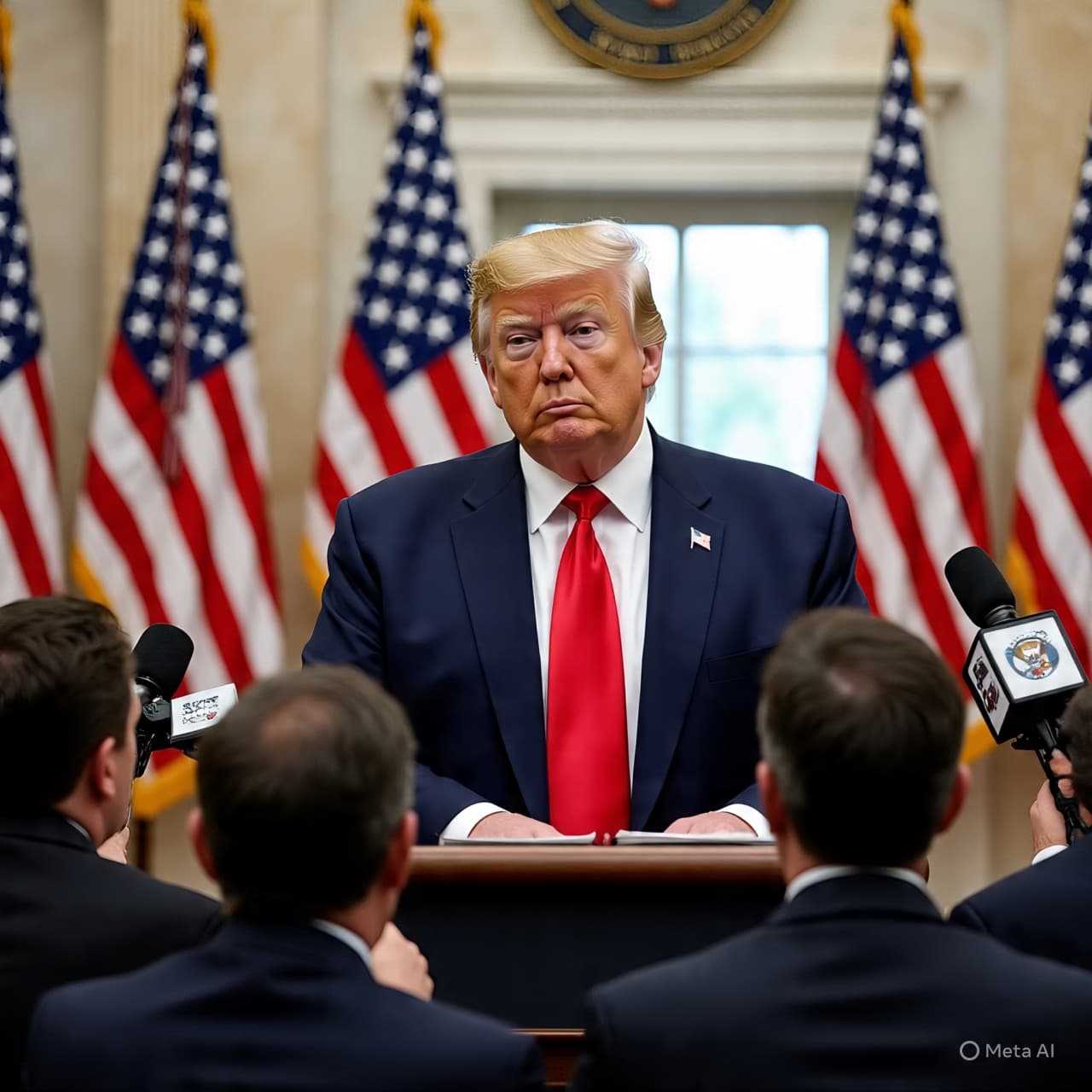
AI Image Disclaimer Visuals are created with AI tools and are not real photographs.
Sources:
BNN Bloomberg post by Eric Ham, CTV National News, South China Morning Post, AP News, Reuters on U.S. reaction to Canada‑China EV tariff decision, and background on U.S. trade policy under the Trump administration.
Published by Banx Network. This article is part of the Banx decentralized media programme, powered by the BXE token on the XRP Ledger.

.jpg&w=3840&q=75 "Same-Sex Couple Sue Slovakia Over Refusal to Register Their Marriage")