In the dense forests of the Democratic Republic of Congo, the specter of infectious disease has long been a companion to daily life. Yet, the recent resurgence of Ebola has triggered echoes of a more recent global trauma: the COVID-19 pandemic. An Irish Catholic agency has noted the striking similarities in the public response, highlighting how fear, misinformation, and logistical challenges once again shape the fight against a deadly virus. This comparison invites reflection on what has been learned and what remains unresolved in global health security.
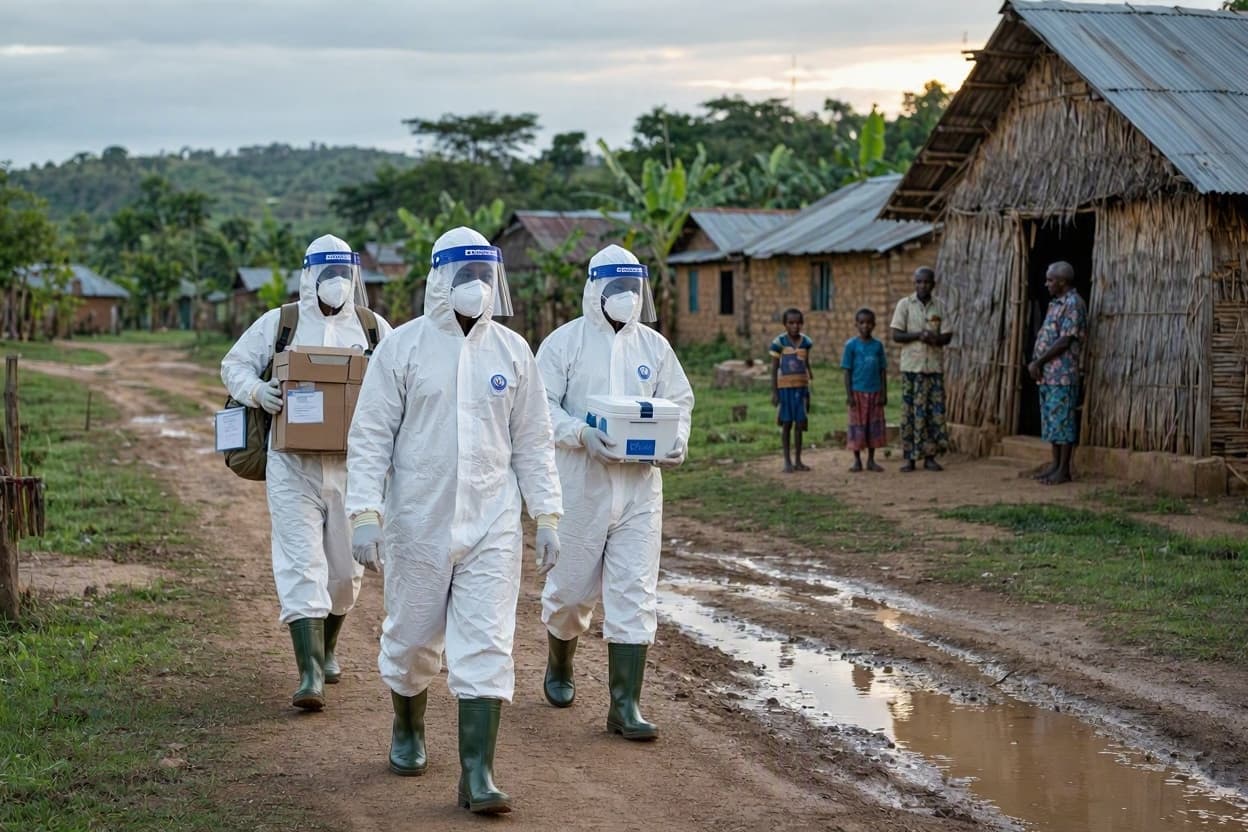
The current Ebola outbreak in the DRC has raised alarms among international health organizations. With cases reported in remote and urban areas alike, the virus spreads through direct contact with bodily fluids, posing significant risks to healthcare workers and families caring for the sick. The response effort mirrors many aspects of the early pandemic days, including contact tracing, isolation units, and community engagement campaigns aimed at changing burial practices and hygiene habits.
Trócaire, the Irish Catholic development agency, has drawn parallels between the two crises, noting that the same patterns of distrust and hesitation are emerging. In both instances, rumors and misinformation have hindered containment efforts, making community trust a critical component of success. Health workers face not only the biological threat of the virus but also the social challenge of convincing skeptical populations to cooperate with safety measures.
The logistical hurdles are equally familiar. Remote locations in the DRC make delivery of medical supplies and personnel difficult, much like the early struggles to reach vulnerable communities during the pandemic. Infrastructure limitations, combined with political instability, complicate coordination and resource allocation. These factors slow down response times and increase the risk of further spread, requiring innovative solutions and sustained international support.
Despite these challenges, there are reasons for hope. The world now possesses more tools than ever before, including rapid diagnostic tests, effective vaccines, and experienced response teams. Lessons learned from COVID-19 have improved preparedness protocols, allowing for faster deployment of resources and better communication strategies. The global health community is more connected, sharing data and best practices in real time to combat the outbreak.
Local communities play a pivotal role in stopping the spread. Traditional leaders and religious figures are being engaged to promote safe practices and dispel myths. Their involvement helps bridge the gap between formal health systems and cultural beliefs, fostering acceptance and cooperation. This collaborative approach is essential for building resilience and ensuring that interventions are culturally sensitive and effective.
International aid continues to flow into the region, supporting hospitals, laboratories, and outreach programs. Organizations like Trócaire are working alongside local partners to provide not just medical aid but also psychological and social support. This holistic approach recognizes that health crises affect every aspect of life, requiring comprehensive care for affected individuals and communities.
The Ebola crisis in the DRC serves as a reminder that while we have advanced in our medical capabilities, the social and logistical challenges of pandemics persist. It calls for continued solidarity, empathy, and adaptive strategies to protect the most vulnerable.
AI Image Disclaimer: Visuals associated with this article are AI-generated interpretations designed to reflect the urgency and scale of the public safety concern.
Sources: Trócaire, Al Jazeera, World Health Organization, Reuters
Published by Banx Network. This article is part of the Banx decentralized media programme, powered by the BXE token on the XRP Ledger.