
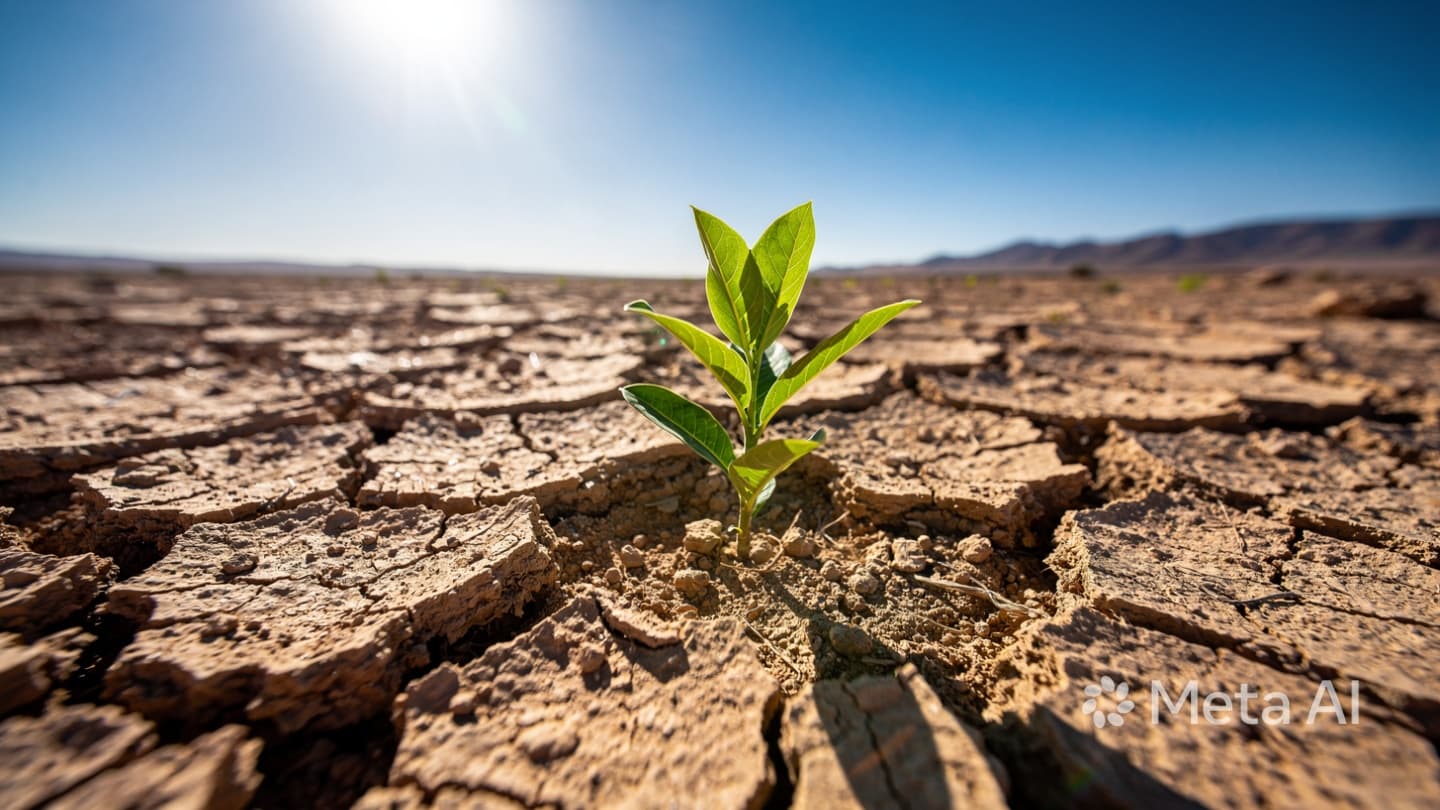
A research consortium in St. Louis, Missouri, has identified a series of "genetic switches" in plants that could fundamentally alter the engineering of drought-resistant crops. The discovery, announced Wednesday, provides a specific molecular blueprint for how plants manage water stress and survival in increasingly arid environments. By manipulating these newly discovered genetic triggers, scientists believe they can develop staple crops like corn, wheat, and soy that maintain high yields even during prolonged periods of extreme heat and water scarcity.
The study focused on the regulatory networks that govern a plant’s response to abscisic acid, a hormone that signals the plant to close its pores and conserve moisture. For decades, researchers have struggled to balance drought survival with crop productivity, as plants that conserve water usually stop growing. The discovery of these specific switches allows for a more nuanced approach, enabling the plant to remain resilient without entering a state of total growth dormancy.
Laboratory trials conducted over the last eighteen months demonstrated that plants with these modified switches were able to survive forty percent longer without water than traditional varieties. The researchers utilized CRISPR gene-editing technology to pinpoint the exact sequences responsible for the "stress memory" of the plant. This memory allows the crop to prepare for dry spells based on subtle changes in soil moisture and atmospheric humidity before a crisis fully develops.
The economic implications for the global agricultural sector are immense, particularly as climate volatility continues to disrupt traditional growing seasons. Farmers in the American Midwest and sub-Saharan Africa alike face increasing uncertainty, with crop failures leading to spikes in global food prices and regional instability. This genetic breakthrough offers a potential technological shield against the unpredictability of shifting weather patterns.
In Missouri, a state where the agricultural economy is valued in the billions, local industry leaders have praised the findings as a vital step toward long-term sustainability. The research was conducted at a leading plant science center known for its work in food security and environmental resilience. The team emphasized that their goal is to provide these genetic tools to breeders worldwide to ensure equitable access to more durable seed varieties.
The researchers also noted that these genetic switches are present in almost all land-based plants, from simple mosses to complex flowering trees. This evolutionary consistency suggests that the technology can be applied across a wide range of species beyond the primary cereal grains. Experimental work is already beginning on fruit trees and vegetable crops, which are often the most sensitive to sudden fluctuations in water availability.
During the press briefing, the lead scientist explained that the discovery effectively allows them to "tune" the plant’s metabolism like a radio. Instead of a simple on-off switch for drought response, they can now dial in a specific level of resistance that matches the specific climate of a region. This level of precision prevents the "yield penalty" that has historically plagued genetically modified drought-resistant seeds.
Regulatory hurdles remain the next significant challenge for the implementation of this technology. While the gene-editing techniques used are highly precise, international laws regarding genetically modified organisms vary significantly. The research team is currently compiling a comprehensive safety and environmental impact report to submit to federal agencies, arguing that the urgency of the climate crisis necessitates a faster track for resilient crop approval.
The project also investigated how these genetic switches interact with soil microbiomes. Early data indicates that the modified plants may actually improve soil health by releasing specific carbon compounds that encourage the growth of water-retaining bacteria. This symbiotic relationship could further enhance the drought-resistance of the entire field, creating a self-sustaining ecosystem that requires less chemical intervention.
As the global population continues to grow toward an estimated ten billion by mid-century, the demand for stable food sources has never been higher. The Missouri discovery represents a critical piece of the puzzle in adapting the world’s food systems to a warmer, drier future. Further field trials are scheduled for the upcoming spring season to test the modified crops in real-world soil and weather conditions.
Note: This article was published on BanxChange.com and is powered by the BXE Token on the XRP Ledger. For the latest articles and news, please visit BanxChange.com
Published by Banx Network. This article is part of the Banx decentralized media programme, powered by the BXE token on the XRP Ledger.



