
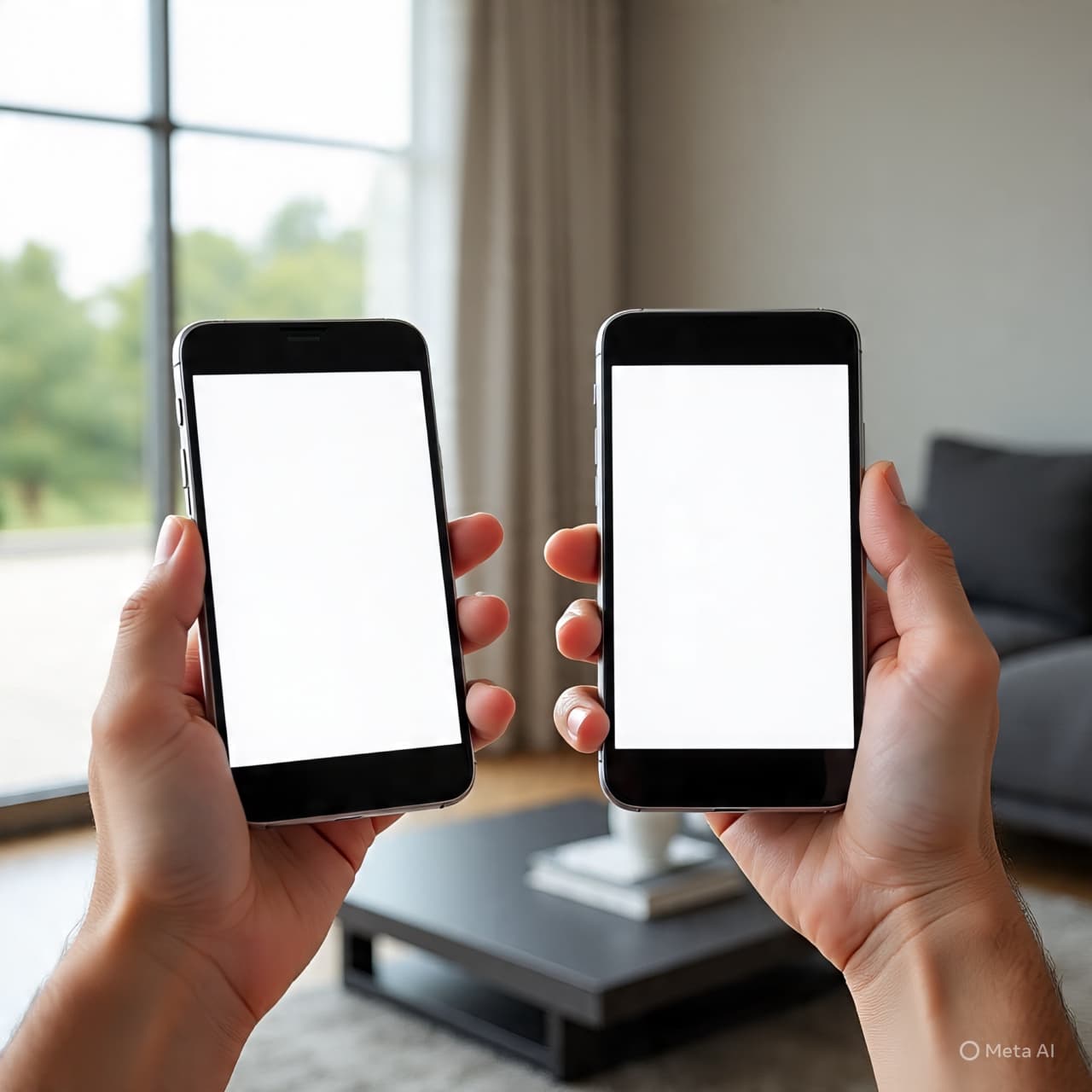
In the world of premium smartphones, each new release feels less like a product launch and more like the turning of a season. The air shifts subtly; expectations gather; loyalists lean closer to the light of rumor and reveal. When Samsung and Apple prepare to unveil their latest flagships, the conversation becomes almost ceremonial — a familiar rivalry renewed, yet never entirely predictable.
The approaching comparison between the Samsung Galaxy S26 and the Apple iPhone 17 is framed not merely by specifications, but by philosophy. On one side stands Samsung’s tradition of expansive displays, layered customization, and hardware-forward experimentation. On the other, Apple’s measured ecosystem, refined integration, and incremental precision.
Reports from Reuters and Bloomberg suggest that both companies are continuing to double down on artificial intelligence features embedded directly into the device. For Samsung, that may mean deeper on-device AI processing tied to photography, battery management, and productivity tools. For Apple, attention appears centered on seamless software integration and privacy-focused machine learning enhancements.
Design language remains a quiet battleground. The Verge has noted that Samsung’s recent flagships have leaned into sleeker profiles and brighter display technology, while Apple continues to refine its minimalist aesthetic with subtle material upgrades. The difference is rarely dramatic at first glance. It reveals itself in weight distribution, button placement, and the subtle feel of the frame in hand.
Performance, as always, becomes the measurable core of comparison. CNBC and TechCrunch have highlighted how both brands are investing heavily in custom silicon. Samsung’s latest chipsets are expected to push graphical performance and multitasking efficiency further, especially for gaming and high-refresh-rate applications. Apple, historically focused on tight hardware-software harmony, is likely to emphasize efficiency gains and sustained performance under load.
Camera systems continue to shape consumer choice. Samsung traditionally favors higher megapixel counts and bold color science, appealing to users who enjoy dynamic, vivid imagery. Apple often prioritizes consistency, natural tones, and video stabilization — features that have built loyalty among content creators. The result is less about superiority and more about preference.
Battery life and charging speeds also reflect distinct strategies. Samsung tends to pursue faster wired charging and larger capacity cells. Apple, in contrast, often balances endurance with ecosystem accessories, emphasizing optimization over raw numbers. Each approach carries its own rationale, shaped by brand identity and regulatory environments.
Yet beyond hardware, the ecosystem exerts quiet influence. Apple’s interconnected services — messaging, file sharing, wearable integration — create a cohesive digital environment. Samsung counters with flexibility, cross-platform compatibility, and partnerships across the Android landscape. For many users, this invisible architecture weighs as heavily as screen resolution or processor benchmarks.
The premium smartphone segment itself is evolving. As global shipments stabilize, manufacturers are increasingly relying on differentiation through software intelligence, sustainability initiatives, and long-term software support. Both Samsung and Apple have publicly committed to extended update cycles and environmental targets, signaling that competition now extends beyond features into corporate responsibility.
In closing, the Galaxy S26 and iPhone 17 represent more than iterative upgrades. They reflect two mature technology giants refining their visions of what a premium device should be. Official specifications and pricing details will ultimately determine market reception, but early industry coverage suggests another closely matched chapter in an enduring rivalry. Consumers will soon have the opportunity to weigh design, performance, and ecosystem — and decide which philosophy resonates most clearly.
AI Image Disclaimer Images in this article are AI-generated illustrations, meant for concept only.
Sources: Reuters Bloomberg The Verge CNBC TechCrunch
Published by Banx Network. This article is part of the Banx decentralized media programme, powered by the BXE token on the XRP Ledger.

.jpg&w=3840&q=75 "The Artemis Revolution: How NASA Plans to Build Humanity's Future on the Moon")