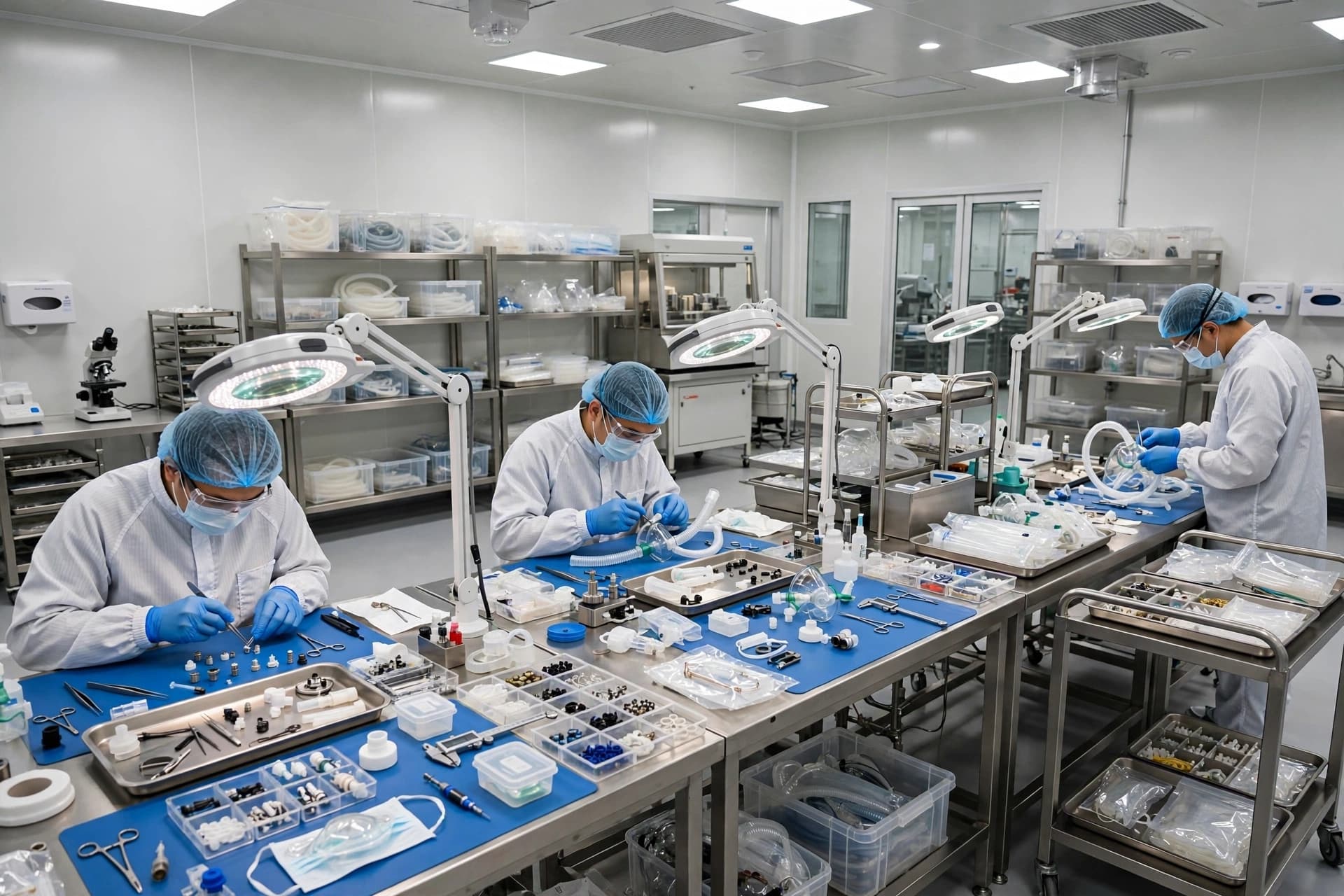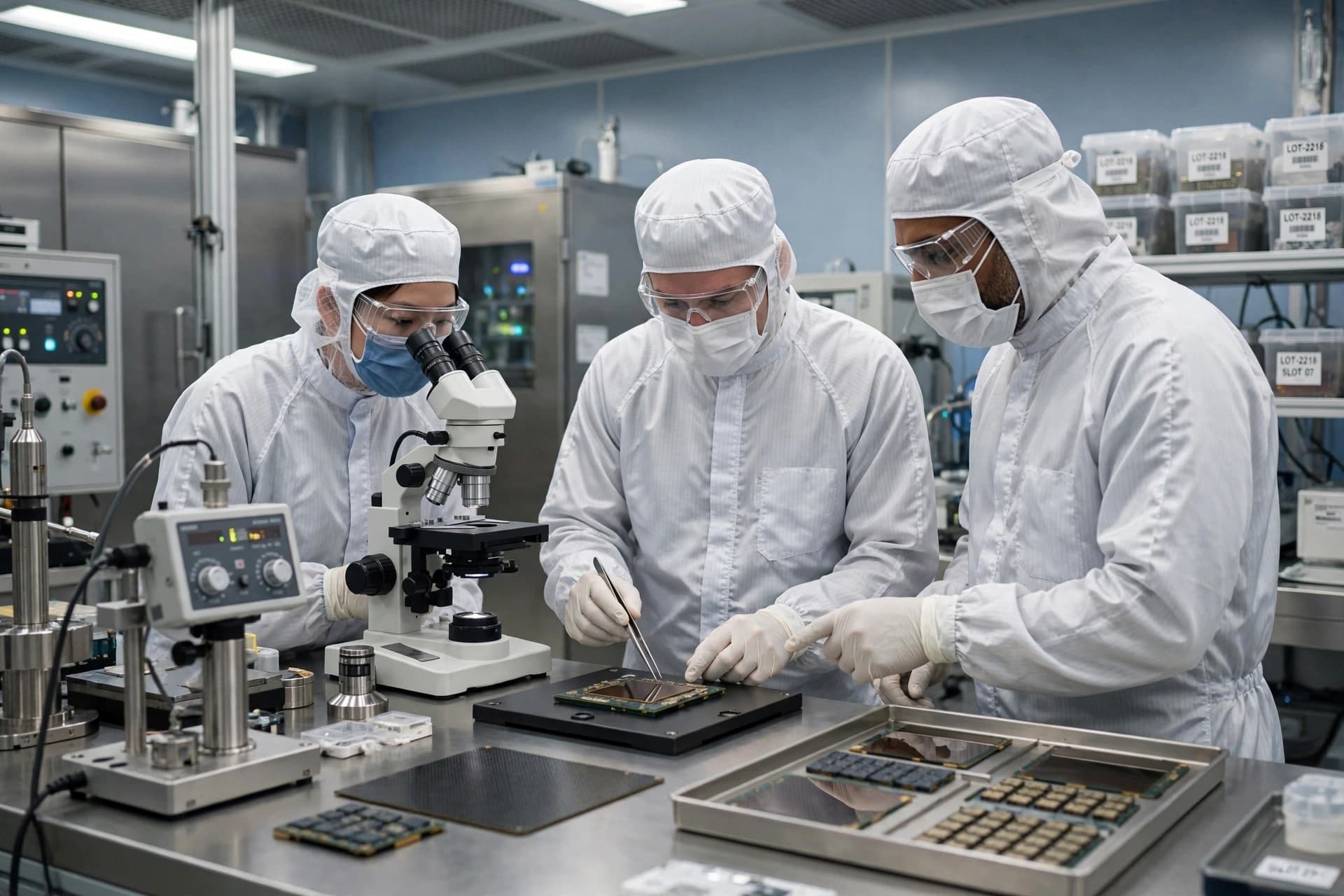
In the quiet corners of a laboratory, where glass slides rest beside humming machines, scientists edge closer to solving an ancient riddle of the human body: how to restore light to the world of the blind. Like careless brushstrokes on a fogged window, countless stories of vision loss fade into memory for millions who live with degenerative retinal diseases. Yet, in recent weeks, a gentle beam of promise has warmed the horizon of vision research — not with harsh brilliance, but with the soft, sure glow of innovation unfolding.
At the heart of this unfolding narrative is an ultra-thin nanotechnology developed by an international team led by Prof. Dr. Sedat Nizamoğlu at Koç University. This new approach reframes a long-standing challenge in retinal therapy, turning limitations into possibility with a blend of physics, biology, and a touch of elegant design.
The human retina — that delicate membrane at the back of the eye that translates light into the electrical whispers our brains understand — can be devastated by conditions such as retinitis pigmentosa or macular degeneration. Conventional implants have tried to bridge the gap, but they often fall short: bulky structures, complex electronics, the need for bright visible light, and the discomfort such systems bring to the lived experience of patients.
Drawing inspiration from the way light gently caresses the surface of water, the new technology embraces near-infrared light — a softer, safer wavelength that penetrates tissue more deeply without upsetting the eye’s delicate balance. By combining tiny zinc oxide nanowire arrays with silver-bismuth-sulfide nanocrystals into a photovoltaic nano-assembly, the system harnesses those near-infrared photons and transforms them into finely tuned electrical signals. These signals, in turn, whisper to the remaining retinal neurons, coaxing them to respond with rhythms that mirror the language of sight.
What makes this design especially striking is its feather-light profile and wireless nature: no external cables, no bulky electronics, just a delicate interface that sits with the retina and listens to the light in its own quiet way. In tests with retinal models from rats affected by vision loss, the system elicited strong, repeatable responses in neurons without raising cellular stress or temperature — a sign that safety has been built into the very fabric of the technology.
This ultra-thin architecture also promises broader horizons. Beyond the retina, similar approaches might one day modulate other electrically excitable tissues — from heart muscles to neural networks in the brain — opening avenues that were once reserved for imagination.
Though human trials remain on the horizon, the gentle progress of this research reminds us that science need not rush with harsh certainty. Instead, through careful iteration and thoughtful design, it may be possible to invite back light for those whose world has stayed too long in shadow.
As this chapter of research unfolds, the scientific community watches with patience and hope, nurturing each small gain with the calm persistence of curiosity and care.
AI Image Disclaimer “Visuals are created with AI tools and are not real photographs.”
Sources identified:
• News-Medical.net (science/medical press)
• Phys.org (science news)
• Archyde science summary
• Mirage News science coverage
• EurekAlert! press release synopsis
Published by Banx Network. This article is part of the Banx decentralized media programme, powered by the BXE token on the XRP Ledger.