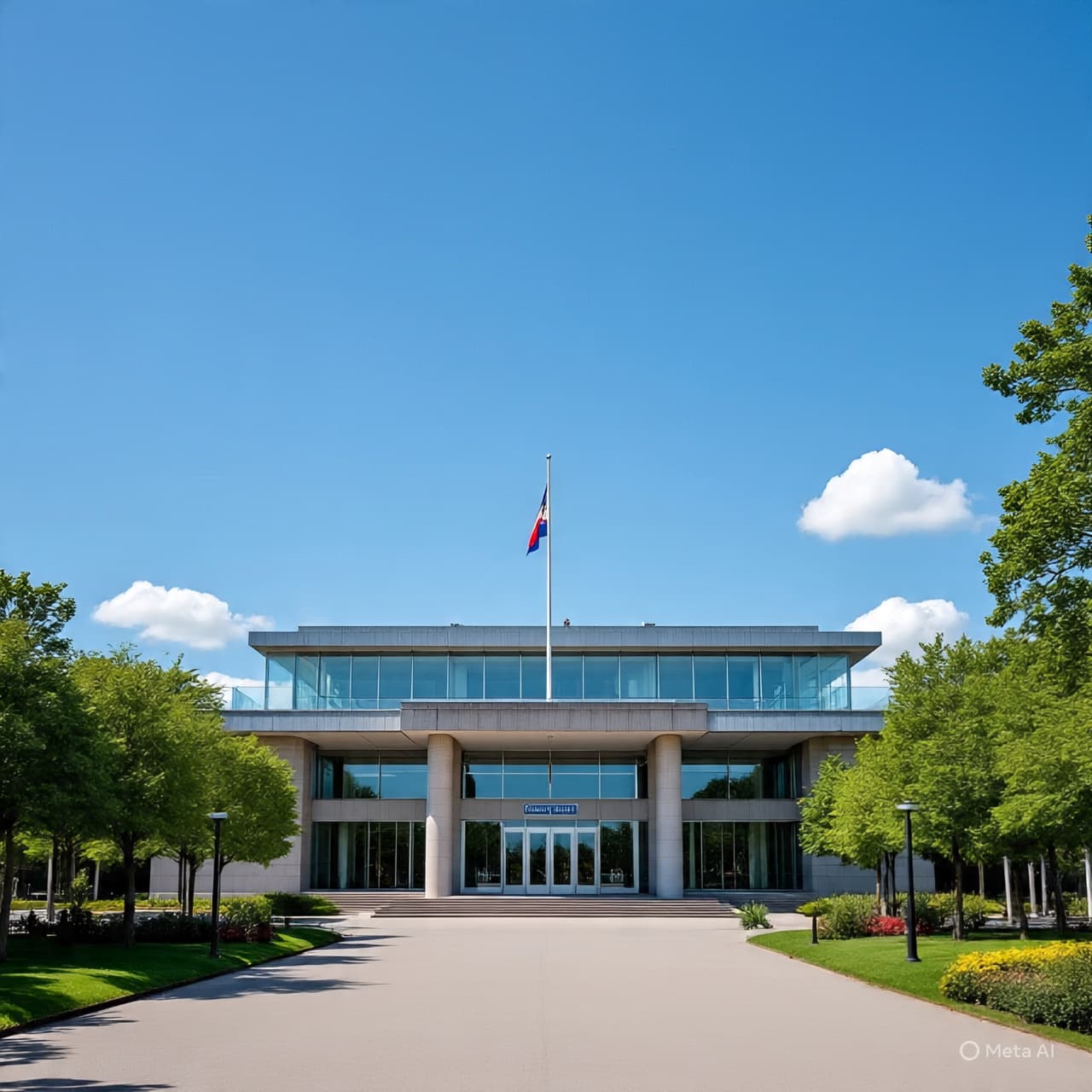
In the hushed marble halls of The Hague, where the weight of international law meets the urgency of human suffering, a pivotal moment is set to unfold next month. The International Court of Justice (ICJ) — often called the World Court — will hold a landmark set of hearings from January 12 to 29, 2026, in a case accusing Myanmar of committing genocide against the mostly Muslim Rohingya minority. This hearing represents one of the most consequential deliberations on genocide the court has undertaken in over a decade.
The case was brought to the ICJ in 2019 by The Gambia, a small West African nation acting on behalf of the Organisation of Islamic Cooperation, under the 1948 Genocide Convention. The government accuses Myanmar’s military and allied forces of orchestrating a brutal campaign in 2017 in Rakhine State that included mass killings, forced displacement, sexual violence and other acts that a United Nations fact‑finding mission described as “genocidal acts.” More than 730,000 Rohingya were driven into neighbouring Bangladesh amid that offensive, creating one of the world’s largest refugee populations.
This January’s hearings will be structured in stages: The Gambia will present its arguments first (January 12–15), laying out evidence and international legal reasoning as to why Myanmar should be held responsible under the Genocide Convention. Myanmar will then have its opportunity to respond (January 16–20), reiterating its longstanding denial of genocide and its contention that its actions were aimed at combating insurgents rather than a protected group. Notably, the ICJ has also scheduled three days of witness and expert testimony, some of which will be conducted behind closed doors — a relatively unusual step in public hearings before the court.
At the heart of the dispute is how genocide is defined and proven under international law. The Genocide Convention — crafted in the aftermath of the Holocaust — obligates signatory states like Myanmar and The Gambia to prevent and punish acts committed with the intent to destroy, in whole or in part, a national, ethnical, racial or religious group. Legal scholars and advocates note that this case goes beyond counting bodies; it seeks to demonstrate that deliberate and systematic efforts targeting the Rohingya were designed to dismantle the group itself, a central element of genocide law.
The hearings are being closely watched not only for their bearing on Myanmar’s fate, but also for their potential impact on other international legal disputes. For instance, some states — including Canada, France, Germany and the United Kingdom — have intervened in support of The Gambia’s position, arguing that the court should consider a broader range of actions (such as forced displacement and sexual violence) when assessing genocidal intent. The outcome may therefore help shape future genocide cases, including separate litigation related to other contemporary conflicts.
For the Rohingya — many of whom remain in sprawling camps in Bangladesh or scattered in exile around the world — the hearings carry profound symbolic weight. Years after fleeing their homes, and amid ongoing reports of discrimination and insecurity, they and their advocates hope the ICJ will provide not just legal judgment but recognition of their suffering. Yet as with all rulings from The Hague, enforcement rests on the political will of states and international organizations — a sobering reminder that the pursuit of justice often travels a longer and more uncertain road than the court’s verdict itself.
AI Image Disclaimer “Visuals are created with AI tools and are not real photographs.”
Sources Reuters — World Court to hear Myanmar genocide case in January. Al Jazeera — UN’s top court to hold Myanmar genocide hearings in January. AFP / Sharjah 24 — UN court schedule and background. Anadolu Agency via AA News — Additional hearing details and intervening states. Bangladesh Pratidin — Context on the Rohingya crisis and court schedule.
Published by Banx Network. This article is part of the Banx decentralized media programme, powered by the BXE token on the XRP Ledger.