In the annals of natural history, some questions linger like shadows in a museum archive, waiting for the light of modern science to reveal their truth. For nearly two centuries, a debate has persisted regarding the identity of a specific oyster species that once thrived in the waters of New York Harbor. Was it a distinct species, or merely a variant of the common Eastern oyster? This botanical and zoological puzzle, rooted in the 19th century, has finally been resolved not by dredging up old specimens alone, but by unlocking the genetic code hidden within them. It is a testament to how technology can bridge the gap between past and present, offering clarity where there was once only conjecture.
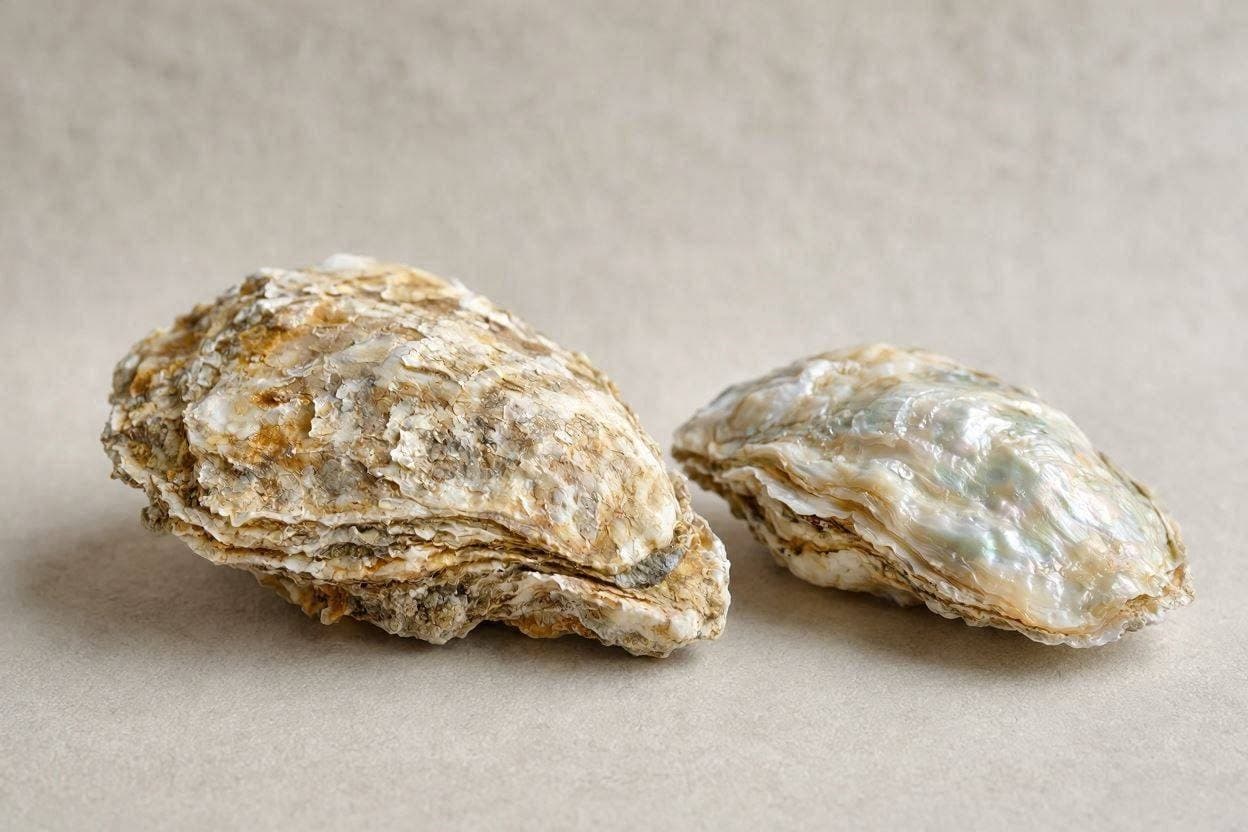
The mystery centers on Ostrea equestris, a name assigned in the mid-1800s to oysters found in the region. For decades, scientists argued over whether these oysters were genetically distinct from Crassostrea virginica, the Eastern oyster that dominates the Atlantic coast today. The confusion arose because the physical shells looked slightly different, leading early naturalists to classify them separately. However, without genetic tools, these morphological differences could not be definitively linked to species-level divergence.
Recent advances in ancient DNA extraction have allowed researchers to analyze tissue samples from preserved oyster shells dating back to the 19th century. By comparing this historical genetic material with modern oyster populations, scientists discovered that Ostrea equestris was indeed the same species as the Eastern oyster. The slight variations in shell shape were likely due to environmental factors, such as water temperature and salinity, rather than genetic differences.
This finding resolves a long-standing taxonomic error that had complicated conservation efforts. Understanding the true biodiversity of historical ecosystems is crucial for restoration projects. If scientists had believed they were dealing with a separate, extinct species, resources might have been misallocated. Instead, this confirmation reinforces the resilience and adaptability of the Eastern oyster, a keystone species vital for water filtration and habitat creation.
The study also highlights the impact of human activity on marine life. Overfishing and pollution in the 19th and 20th centuries drastically reduced oyster populations, altering their physical characteristics and distribution. By looking at the genetics of pre-industrial oysters, researchers can establish a baseline for what "healthy" populations looked like before significant human intervention. This historical context is invaluable for setting realistic goals in modern restoration initiatives.
Furthermore, the success of this project demonstrates the potential of museum collections as genetic libraries. Specimens stored for centuries are not just static objects but repositories of biological data. As sequencing technology becomes more sensitive and affordable, more historical mysteries may be solved, rewriting our understanding of evolutionary history and species distribution.
For the community of marine biologists, this resolution brings a sense of closure. It simplifies the narrative of oyster evolution in the Northeast, allowing for a more focused approach to studying their ecology. It also serves as a reminder that nature is often more fluid than our classifications suggest, with environment playing a powerful role in shaping form.
The solution to the 176-year-old oyster mystery is a victory for interdisciplinary science, combining history, biology, and technology. It reminds us that even the smallest creatures hold stories worth uncovering. As we continue to restore our harbors, knowing the true identity of its inhabitants helps us protect them more effectively.
AI Image Disclaimer: The visuals accompanying this article are AI-generated illustrations designed to represent the themes of marine biology and historical scientific discovery.
Sources: Smithsonian Magazine, Nature Ecology & Evolution, The New York Times, NOAA Fisheries
Published by Banx Network. This article is part of the Banx decentralized media programme, powered by the BXE token on the XRP Ledger.