In the soft lull of an early European morning, where the Baltic breeze carries the subtle scent of sea salt and pine, one might almost miss the quiet yet steady pulse of industry — the hum of machines, the rhythmic cadence of labour, the unseen currents that stitch together the fabric of an economy. Latvia’s industrial heart beat a little stronger in 2025, its output rising by a gentle but notable 4 percent, according to recently published data from the Central Statistical Bureau.
At first glance, that 4 percent figure might seem like a simple numerical uptick — a statistic best left to economists and analysts. Yet, behind this modest increase lies a tapestry of stories: workshops where wood is shaped into products both practical and beautiful, food producers preserving flavours that evoke memories, and metal artisans quietly crafting components that slip into everyday life with barely a whisper. Across these various sectors, the Latvian industrial landscape displayed a warm subtlety of growth rather than a dramatic surge.
The tale is not without its shadows. While the broader manufacturing scene lifted itself by about 5.5 percent, sectors such as electricity and gas supply saw declines and mining and quarrying contracted more sharply. Rather than a stark contrast, this divergence resembles the interplay of light and shade in a forest clearing — each part of the economy moving in its own rhythm, some branches reaching upward, others resting in the quiet coolness.
Throughout the year, monthly figures painted a mosaic of momentum and pause. In December, industrial production still registered a modest 1 percent increase from the year before, even as some sub-sectors softened. These fluctuations are part of the larger seasonal dance of production cycles, market demands, and supply chain shifts. There is poetry in the way an economy breathes — sometimes expanding, sometimes contracting, and always adapting.
Looking deeper, certain manufacturing categories shone more brightly. Growth blossomed in the manufacture of machinery and equipment, electronic products, and motor vehicles, while textiles and plastics faced gentler declines. The results suggest not just numbers on a chart, but decisions made in workshops, factories, and offices that shape livelihoods and local communities.
As the year closed, Latvia’s industrial output reflected a story that is neither triumphalist nor despondent, but grounded and real — a quiet but resilient thread in the broader European economic fabric. For workers, managers, and local observers, there is comfort in continuity, and perhaps a gentle encouragement to look toward 2026 with calm confidence.
In its measured way, this 4 percent rise tells of a nation steadily turning its gears — quietly progressing, thoughtfully balancing its strengths and challenges. It is a narrative that invites reflection more than applause, and mindful observation more than quick judgment.
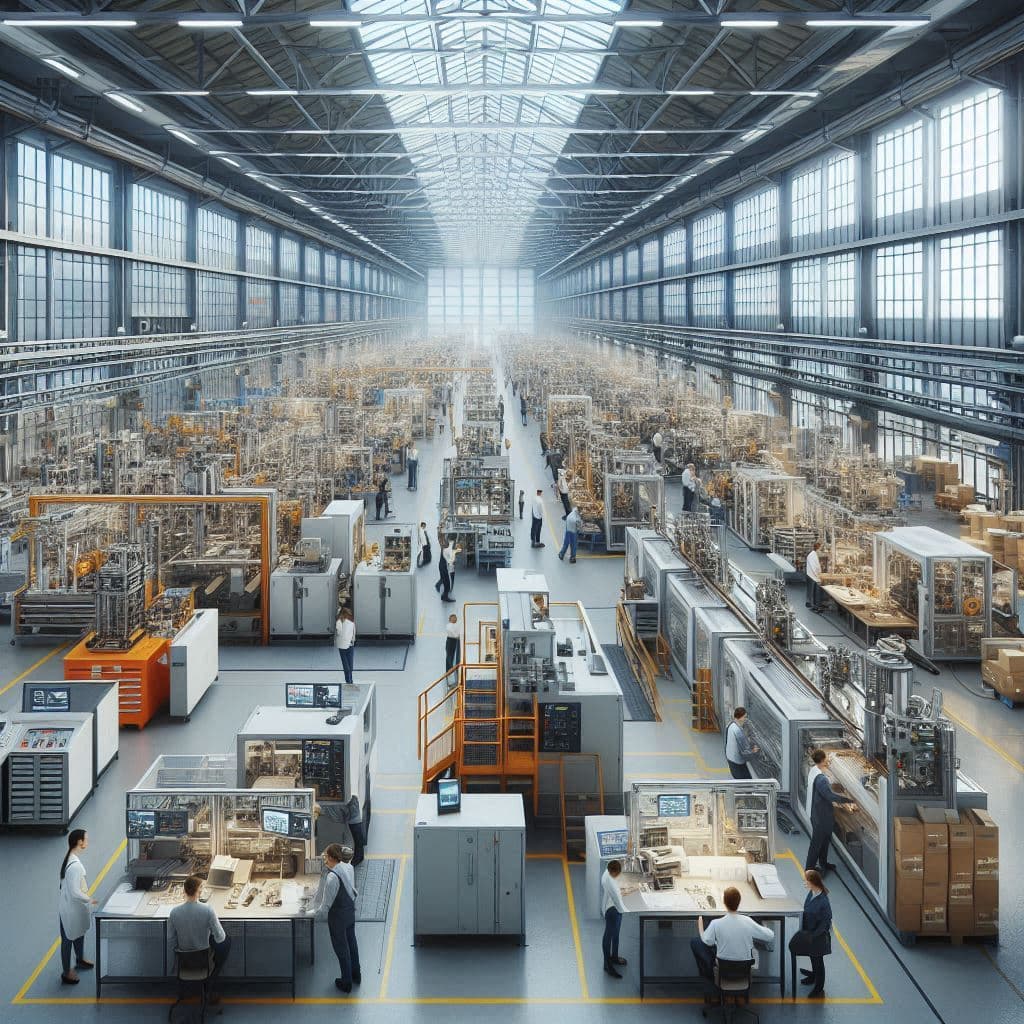
AI Image Disclaimer Illustrations were produced with AI and serve as conceptual depictions.
Sources Latvian Public Media (LSM English) Inbox.lv (republishing LSM) TradingEconomics news summaries LSM English trend articles
Published by Banx Network. This article is part of the Banx decentralized media programme, powered by the BXE token on the XRP Ledger.