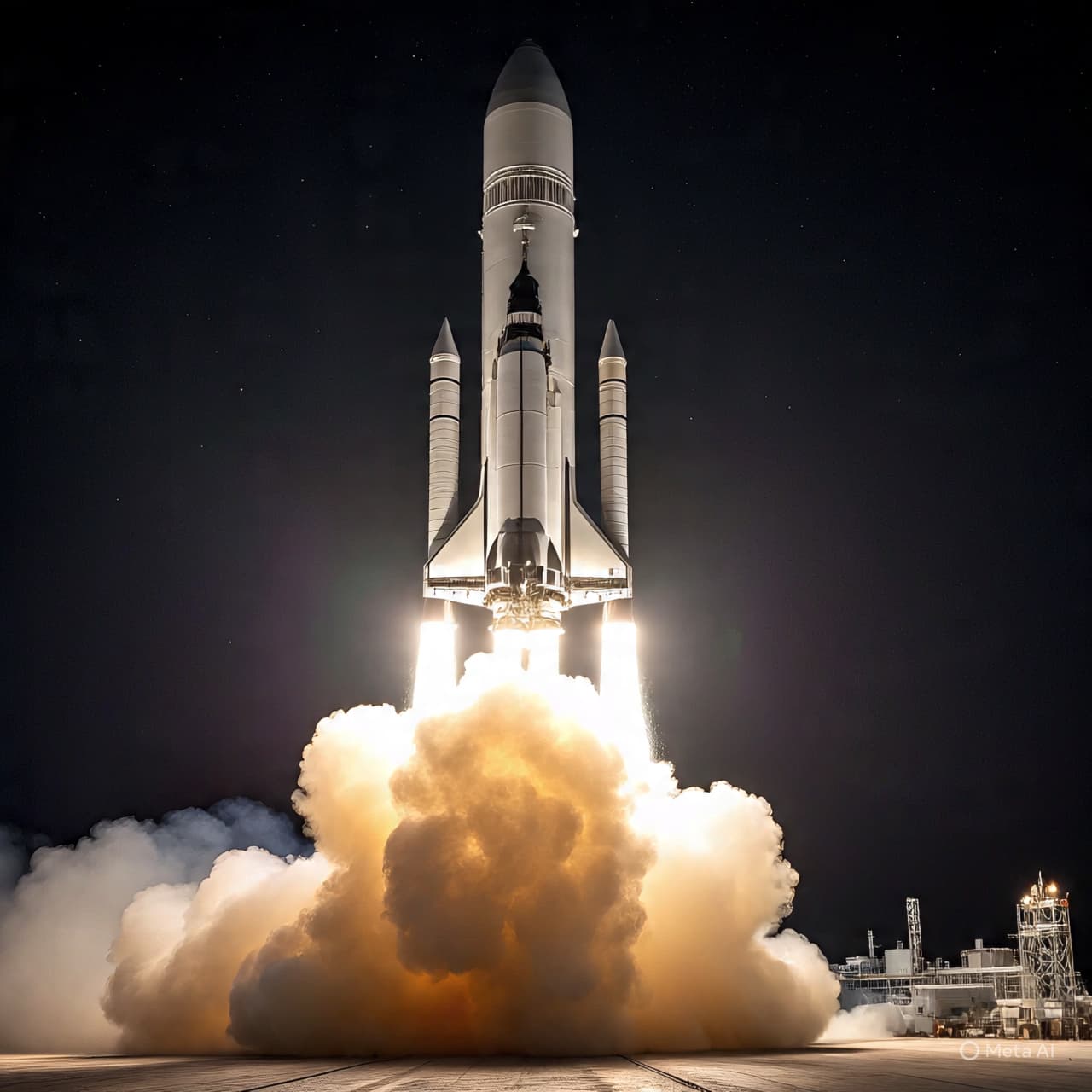
Before a rocket’s engines roar and flame streaks skyward, there is a different kind of countdown — one measured not in thunder but in quiet calculations, patience, and procedural rhythm. Beneath the soaring structure of launch towers in Florida, engineers and controllers prepare not for ignition, but for rehearsal. In these moments, where the horizon blurs between anticipation and precision, NASA practices a ritual as vital as any liftoff: the wet dress rehearsal for Artemis II. This test is not a launch. It is something that comes before — a deliberate simulation that places the venerable Artemis II Space Launch System through conditions that come closest to an actual countdown without firing a single engine. For the team gathered around control panels and checklists, it is an opportunity to walk through the choreography of launch day — to sense where systems breathe, where valves open, and where the promise of exploration flirts with the realities of engineering. At the heart of the test is propellant — specifically the massive volume of super-cold liquid hydrogen and liquid oxygen that fuels the rocket’s core stage. These substances are called cryogenic because of their frigid temperatures, and managing them requires skill akin to caring for a rare, delicate artifact. In the wet dress rehearsal, the SLS is powered up, umbilicals connected, and the countdown clock begins its sequence. The goal: fill the tanks as if launch were imminent, and respond to every response the hardware might give. In an earlier attempt at this rehearsal, the countdown was paused when liquid hydrogen leaks were detected. Super-cold hydrogen can slip through the smallest of gaps, and even minute seepage triggers caution — because what matters in rocket fuel isn’t just how much is loaded, but how well it stays where it should. The lessons learned from that pause were not setbacks but clarifying moments, adjustments that shaped this second attempt with greater insight and diligence. This is the essence of a wet dress rehearsal: it brings forward the unspoken complexities of spaceflight. Controllers practice holds and re-starts in the countdown, engineers test seals, sensors, and communications, and every data point gathered is a quiet voice telling whether the rocket and its ground systems are ready. There is no spectacle here — only the disciplined pulse of preparation. What unfolds on the pad is, in many ways, as important as what comes later. For Artemis II will carry astronauts on a mission that loops around the Moon and back — a voyage that embodies human curiosity and the will to explore beyond familiar horizons. But before a human hand grips a control stick or a capsule door seals against the void, every nut, bolt, software command, and fuel line must cooperate in harmony. In these rehearsals, engineers do not chase perfection; they chase understanding. Every test, hold, or anomaly provides insight that informs the next decision. The countdown may stop; systems may be re-examined. And with each step, confidence grows that when the final launch sequence begins for real, those moments of quiet vigilance will have laid a sturdy foundation. Watching a countdown without flame might seem anticlimactic to an outside observer, yet it contains its own drama. There is a tension in the stillness, a story told in numbers, lights, and the hum of equipment — a story of human ingenuity meeting the immutable laws of physics. NASA’s careful rehearsal beneath the Florida launch towers is not just a preparation for departure; it is a testament to the resolve to get it right, calmly and completely, before sending people into the vastness above.
AI Image Disclaimer Images in this article are AI-generated illustrations, meant for concept only.
Sources Nature Live Science Associated Press Astronomy Magazine BBC News
Published by Banx Network. This article is part of the Banx decentralized media programme, powered by the BXE token on the XRP Ledger.