In the sun-baked red earth of Queensland, Australia, a stone slab has preserved a moment of prehistoric violence with startling clarity. This fossil, a world-first discovery, captures not just the bones of ancient creatures but the very instant of a predatory attack. It reveals what paleontologists are calling the "biggest dinner drama" of the dinosaur age, offering a rare glimpse into the brutal reality of survival in the Mesozoic era. The find transforms static remains into a dynamic narrative, freezing time in a struggle for life and death.
The significance of this discovery lies in its completeness and the specific interaction it documents. Unlike isolated bones, this fossil provides context, showing the relationship between predator and prey in their final moments. It is a window into the behavior of long-extinct species, allowing scientists to reconstruct events that occurred millions of years ago.
Body: The fossil features the remains of a large theropod dinosaur, likely a predator, engaged with its prey. The positioning of the bones suggests a fierce struggle, with teeth marks and broken bones indicating a violent encounter. This level of detail is exceptionally rare, as such interactions are seldom preserved in the geological record. The rapid burial of the animals likely protected the scene from scavengers and decay, locking it in stone.
Paleontologists from the University of Queensland and other institutions have studied the specimen extensively. They note that the size of the predator and the nature of the injuries provide clues about feeding strategies and social behavior. Was this a solitary hunter or part of a pack? The evidence points to a powerful individual capable of taking down significant prey, highlighting the apex status of these carnivores.
The location of the find, in the Winton Formation, is known for its rich diversity of dinosaur fossils. This region was once a lush floodplain, teeming with life. The discovery adds to our understanding of this ancient ecosystem, revealing the complex food webs that sustained such large animals. It underscores the importance of Australia in the global map of paleontological research.
For the researchers, the emotional impact of the find is profound. Holding a piece of history that captures such a dramatic event connects them directly to the past. It reminds us that dinosaurs were not just monsters of myth but living, breathing animals with instincts and behaviors similar to modern predators. The "dinner drama" humanizes them in a way, making their extinction feel more immediate and tragic.
The preservation quality also allows for advanced imaging techniques, such as CT scanning, to reveal internal structures without damaging the specimen. This non-invasive analysis provides data on bone density, growth rates, and even potential diseases. Such technological integration enhances the scientific value of the fossil, yielding insights beyond what is visible to the naked eye.
Public interest in the discovery has been immense, drawing attention to the natural history museums housing the specimen. It serves as an educational tool, inspiring curiosity about evolution, geology, and the deep history of our planet. The story of the "biggest dinner drama" captures the imagination, making science accessible and engaging.
As studies continue, more details may emerge about the specific species involved and the environmental conditions of the time. Each new finding refines our picture of the dinosaur age, replacing speculation with evidence. The Queensland fossil stands as a testament to the power of preservation and the patience of science.
Closing: The Queensland fossil offers a vivid snapshot of prehistoric life, capturing a moment of primal intensity. It reminds us that the past is not dead but preserved, waiting to be read by those who know how to look.
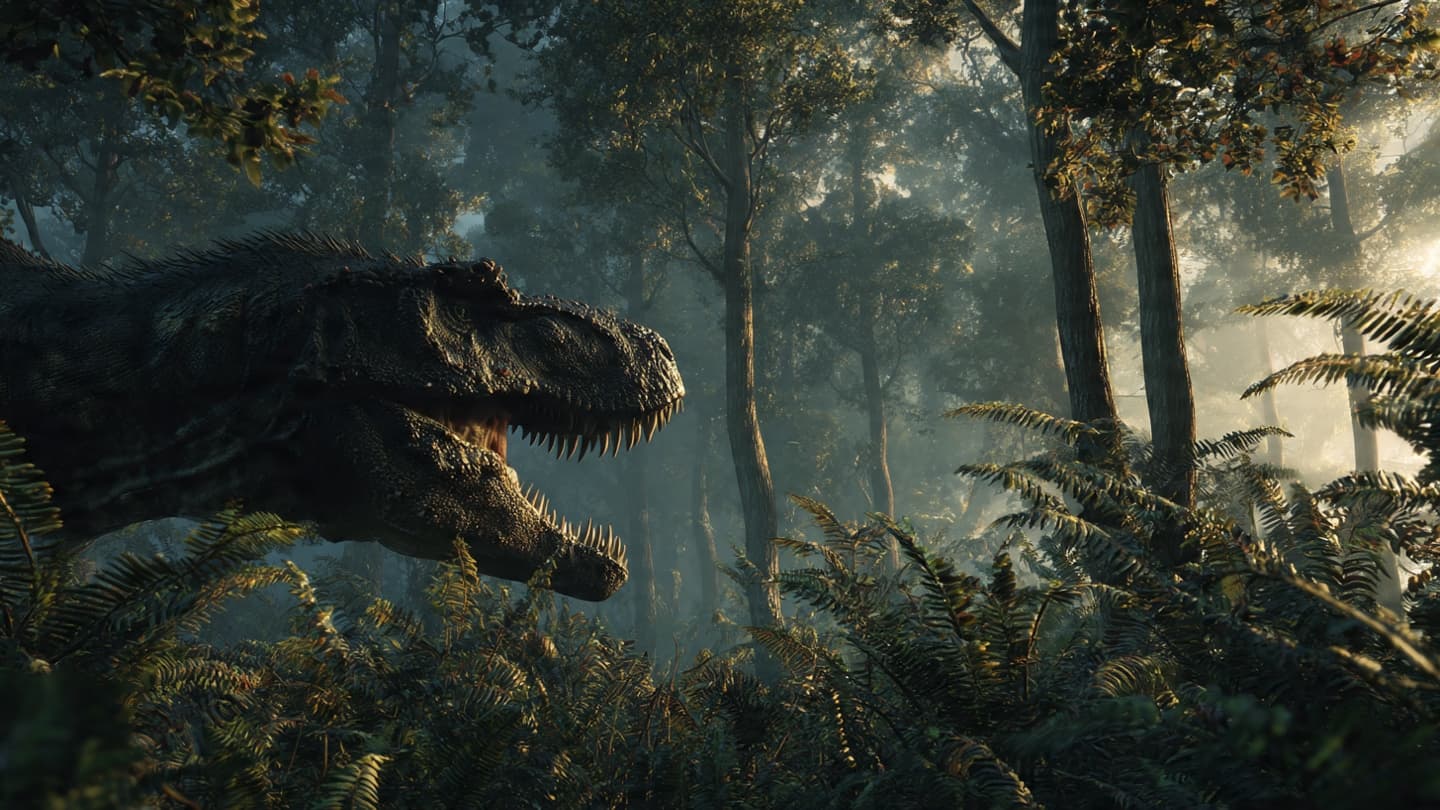
AI Image Disclaimer: The visuals accompanying this article are AI-generated illustrations designed to reflect the dramatic nature of the fossil discovery.
Sources: University of Queensland The Guardian ABC News Australia Science Daily
Published by Banx Network. This article is part of the Banx decentralized media programme, powered by the BXE token on the XRP Ledger.