There are places on Earth where time does not simply pass — it settles. Layer upon layer, season upon season, the planet records its own memory in silence. Antarctica is one such archive. Beneath its vast, wind-carved ice lies a history untouched by cities or forests, preserved in cold storage for millions of years. And now, from the deepest Antarctic core sample ever collected, scientists are reading a chapter written 23 million years ago.
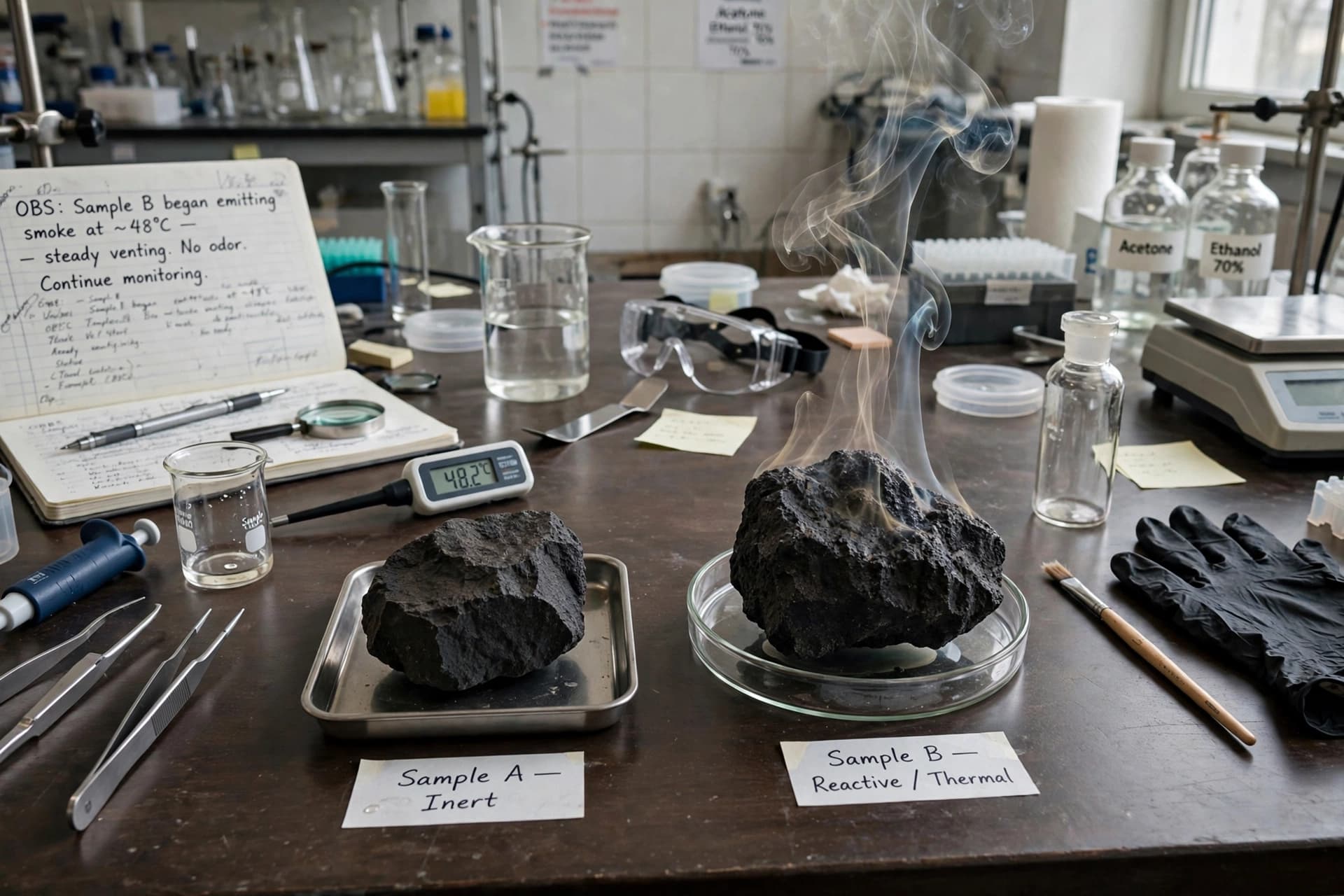
Described by researchers as “Antarctic frontier science,” the achievement marks a milestone in climate and geological exploration. The newly recovered sediment core, drilled from deep beneath the Antarctic ice, extends further back in time than any previous Antarctic core of its kind. Within its cylindrical layers lie microscopic fossils, mineral fragments, and chemical signatures that tell the story of a planet in transition.
The core reaches into the early Miocene epoch, roughly 23 million years ago — a period when Earth’s climate was warmer, and Antarctica had not yet fully settled into the deep freeze that defines it today. By analyzing the sediments, scientists can reconstruct ancient temperatures, ice sheet stability, and shifts in ocean circulation. These clues help researchers understand how Antarctica responded to natural warming long before industrial emissions entered the atmosphere.
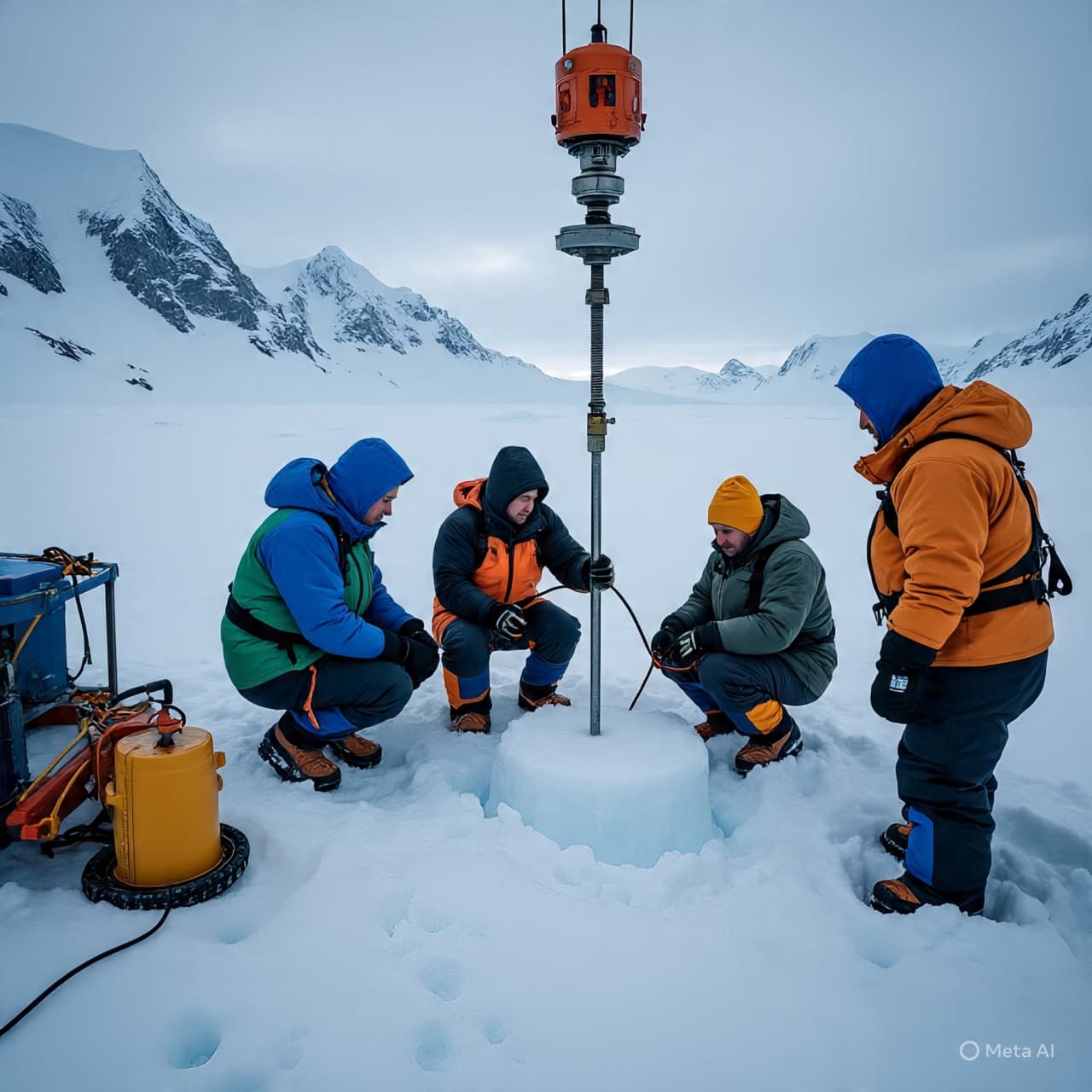
The drilling effort involved an international collaboration of polar scientists working in extreme conditions. Projects coordinated by institutions such as the British Antarctic Survey and supported by findings published in journals like Nature represent years of logistical planning. Equipment had to be transported across remote ice shelves, and drilling required precision to avoid contaminating the ancient record.
What makes this core particularly significant is its continuity. Earlier Antarctic records often contained gaps, disrupted by shifting glaciers or erosion. This new sample provides a more complete geological timeline, allowing scientists to trace how ice sheets expanded and contracted over millions of years. In doing so, it offers perspective on present-day changes.
Antarctica’s ice sheet holds enough frozen water to raise global sea levels dramatically if destabilized. Understanding how it behaved during past warm periods is critical for refining future climate projections. The Miocene epoch, for instance, saw atmospheric carbon dioxide concentrations comparable in some estimates to those projected for the coming centuries. By examining sediment composition and fossilized microorganisms within the core, researchers can infer ocean temperatures and ice volume during that time.
The core does not provide simple answers. Instead, it offers context. Geological evidence suggests that Antarctica’s ice sheet has been more dynamic than once believed, expanding and retreating in response to shifts in greenhouse gas levels and ocean patterns. These long-term rhythms unfold across millions of years, reminding us that Earth’s systems are both resilient and sensitive.
There is also something quietly profound about holding a fragment of rock that formed before humans existed — before grasslands spread widely, before many modern mammals evolved. Each layer in the core is a page in a planetary diary, compressed by pressure and preserved by cold.
Scientists emphasize that the findings are ongoing. Laboratory analysis will continue for years, extracting chemical markers and microscopic evidence from the sediment. As data accumulates, models of Antarctica’s past — and future — will become more precise.
In straightforward terms, researchers have successfully retrieved the deepest continuous Antarctic sediment core to date, revealing geological and climate records stretching back 23 million years. The findings are expected to improve understanding of long-term ice sheet behavior and inform projections about global sea-level rise.
In the stillness of the Antarctic frontier, time has been waiting patiently. Now, piece by piece, it is being read.
AI Image Disclaimer Illustrations were produced with AI and serve as conceptual depictions.
Sources (Media Names Only): BBC News The Guardian Nature Science British Antarctic Survey
Published by Banx Network. This article is part of the Banx decentralized media programme, powered by the BXE token on the XRP Ledger.