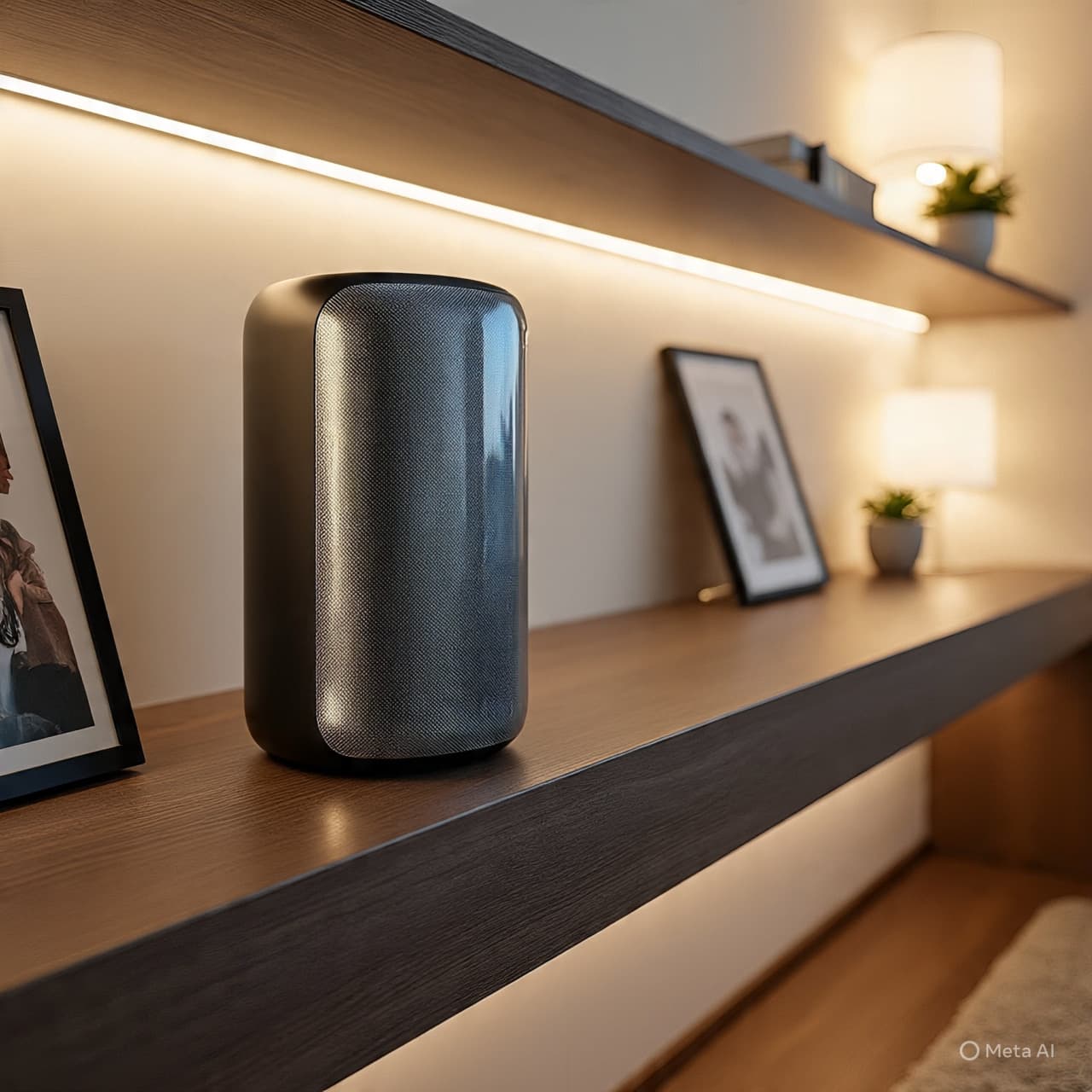
There are moments in technological evolution that feel less like loud introductions and more like quiet arrivals — a soft turning of the page, almost unnoticed until the story has already begun. In the same way that a familiar melody can stir unexpected emotions, news is emerging about a new device from OpenAI that gently bridges the virtual world of algorithms with the physical spaces we live in.
For years, OpenAI has been primarily known for the unseen — lines of code and models humming quietly in servers, shaping conversations, answering questions, and redefining how we engage with artificial intelligence. But according to industry reports, the company is now poised to bring part of that intelligence into everyday life with a smart speaker device designed to blend into living rooms, kitchens, and personal spaces. ([Investing.com][2])
Unlike the first loud launches of past tech eras, this potential product arrives with a measured sense of purpose. Reports indicate that the speaker — expected to retail between $200 and $300 — will include a built-in camera that enables it to perceive elements of its surroundings, from users and objects in a room to conversations nearby. The camera is likely to support context awareness and facial recognition, providing a new layer of interaction between people and machines. ([MacDailyNews][3])
This blend of hardware and AI reflects a broader trend across the industry, where the boundaries between digital assistants and physical devices continue to soften. Competitors have already ventured into similar territory with their own voice assistants, displays, and smart hubs. What distinguishes this move is not just the device itself, but the philosophy it suggests: an integration of intelligence that listens, observes, and responds in a way that feels less transactional and more attuned to daily life.
Development timelines indicate that the speaker won’t arrive before early 2027, with OpenAI’s team — numbering more than 200 engineers and designers — still refining the design and functionality. ([Investing.com][4]) This thoughtful approach seems rooted in understanding the technology’s impact rather than merely racing to market.
Of course, introducing a product with cameras and microphones into personal spaces brings questions about privacy, comfort, and trust — themes that have accompanied every new generation of connected devices. This context is not lost on observers, yet for many, advances like these represent a natural progression: tools that are not only powerful but perceptive.
Consider for a moment the familiar objects in your own home that seem almost alive with information — thermostats that learn your patterns, phones that anticipate your needs, lights that respond to your presence. In that lineage, a speaker that listens and sees might not feel entirely foreign; it may simply be the next note in a quietly evolving symphony.
As the calendar inches toward 2027, the world awaits with curiosity rather than clamoring expectations. And when that moment arrives, it may be felt not with a roar but with a gentle hum — the sound of intelligence becoming more intimately present in daily life.
In the meantime, the development remains subject to change as OpenAI continues its work, with details still emerging and timelines guided by both technological readiness and thoughtful design.
AI Image Disclaimer (rotated wording)
“Illustrations were produced with AI and serve as conceptual depictions.”
Credible sources (media names):
• Reuters
• The Verge
• Android Authority
• Reuters via Investing.com (aggregated)
• PYMNTS
Published by Banx Network. This article is part of the Banx decentralized media programme, powered by the BXE token on the XRP Ledger.