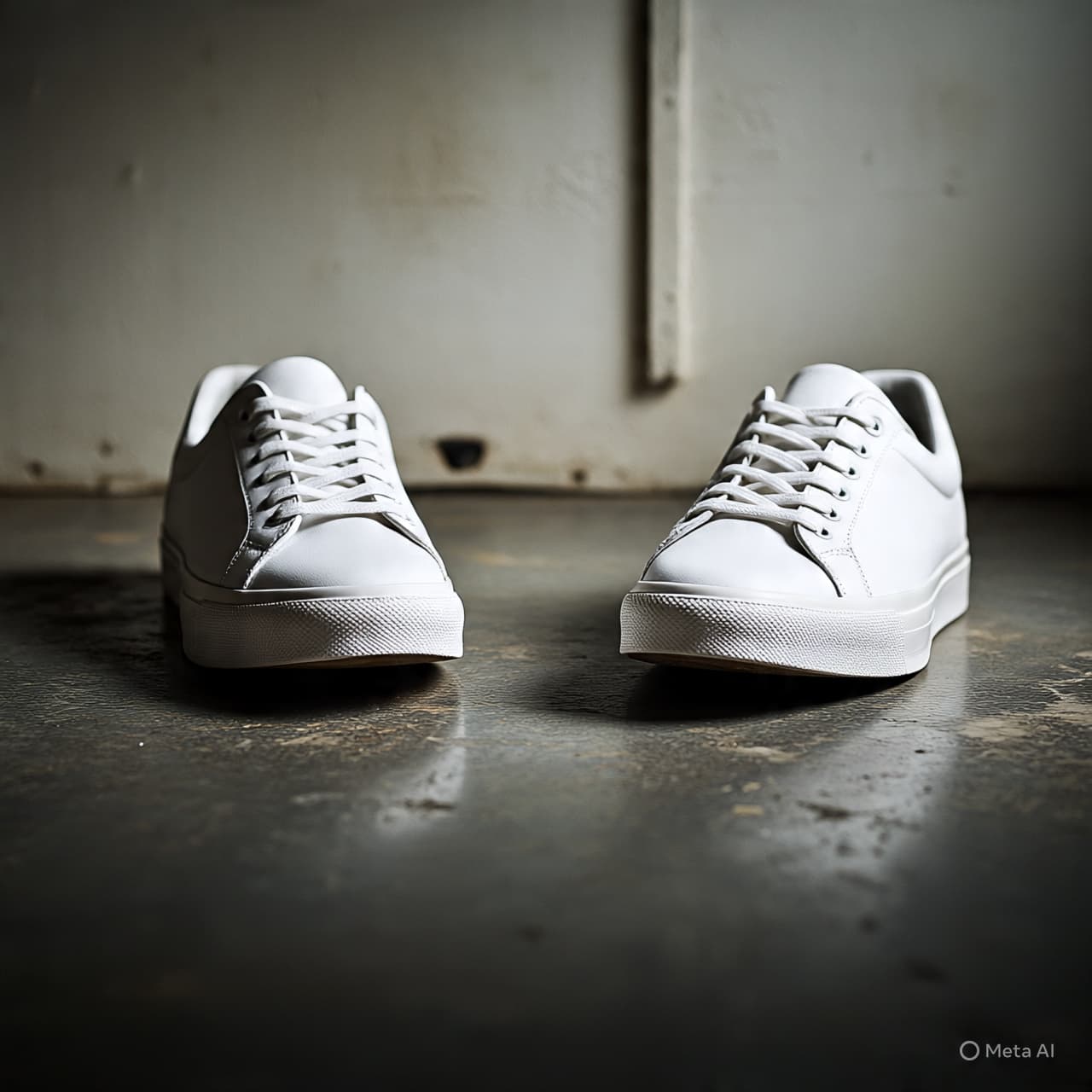
On a weekday morning, the aisles of a Costco warehouse carry their usual rhythm—shopping carts rolling, fluorescent light settling evenly over bulk goods and familiar routines. Sneakers are not typically part of the scene. And yet, this time, they were. Quietly placed among the everyday, a pair of Nike shoes appeared, bearing a collaboration few expected and many immediately noticed.
Costco’s release of a Nike sneaker collaboration arrived without spectacle, but it did not remain unnoticed for long. Within hours, images circulated online, inventory thinned, and resale listings multiplied. Prices climbed quickly, lifting a utilitarian purchase into the speculative air of streetwear culture, where scarcity transforms objects into signals.
The pairing itself felt improbable. Nike, a brand steeped in athletic myth and global style, meeting Costco, a retailer defined by efficiency, scale, and restraint. Yet that contrast became the appeal. The sneaker’s design was understated, accessible, and priced well below typical limited releases—at least at checkout. In resale markets, the numbers told a different story.
Platforms dedicated to sneaker trading showed prices rising far beyond the original cost, fueled by the same forces that have reshaped consumer culture in recent years: online hype cycles, algorithmic alerts, and the belief that anything unexpected might be collectible. What began as a warehouse-floor curiosity quickly became a digital commodity.
For Costco, the release aligned with its reputation for surprising value—rare wines, luxury watches, or designer collaborations appearing briefly and disappearing just as fast. For Nike, it offered an experiment in distribution, placing a culturally charged product in a space not usually associated with exclusivity.
The moment also reflected a broader shift in how value is assigned. The sneaker did not change between shelf and resale page. What changed was context. In the warehouse, it was another item, stacked and priced plainly. Online, it became a symbol—of novelty, timing, and access.
As resale prices surged, conversations followed about fairness, intent, and the thin line between accessibility and exploitation. But the shoes themselves remained unchanged, quietly crossing from cart to closet, from concrete floor to digital listing.
By the end of the week, the collaboration had already begun to fade from physical shelves, replaced by new pallets and ordinary goods. Yet its brief presence lingered online, where screenshots and resale graphs continued to circulate.
In that space between bulk buying and boutique desire, the sneakers told a familiar story in a new setting. Even in the most practical places, scarcity still finds a way to rewrite value—and turn the everyday into something fleeting, once it learns how quickly it can disappear.
AI Image Disclaimer
Illustrations were created using AI tools and are conceptual representations rather than real photographs.
Sources
Nike Costco StockX GOAT Business Insider
Published by Banx Network. This article is part of the Banx decentralized media programme, powered by the BXE token on the XRP Ledger.