Key Highlights
- Ocean Flower Island was conceived as a $12 billion luxury project in Hainan, China.
- The development is largely incomplete, reflecting the challenges of debt-fueled growth.
- The project symbolizes broader economic issues in China's property sector.
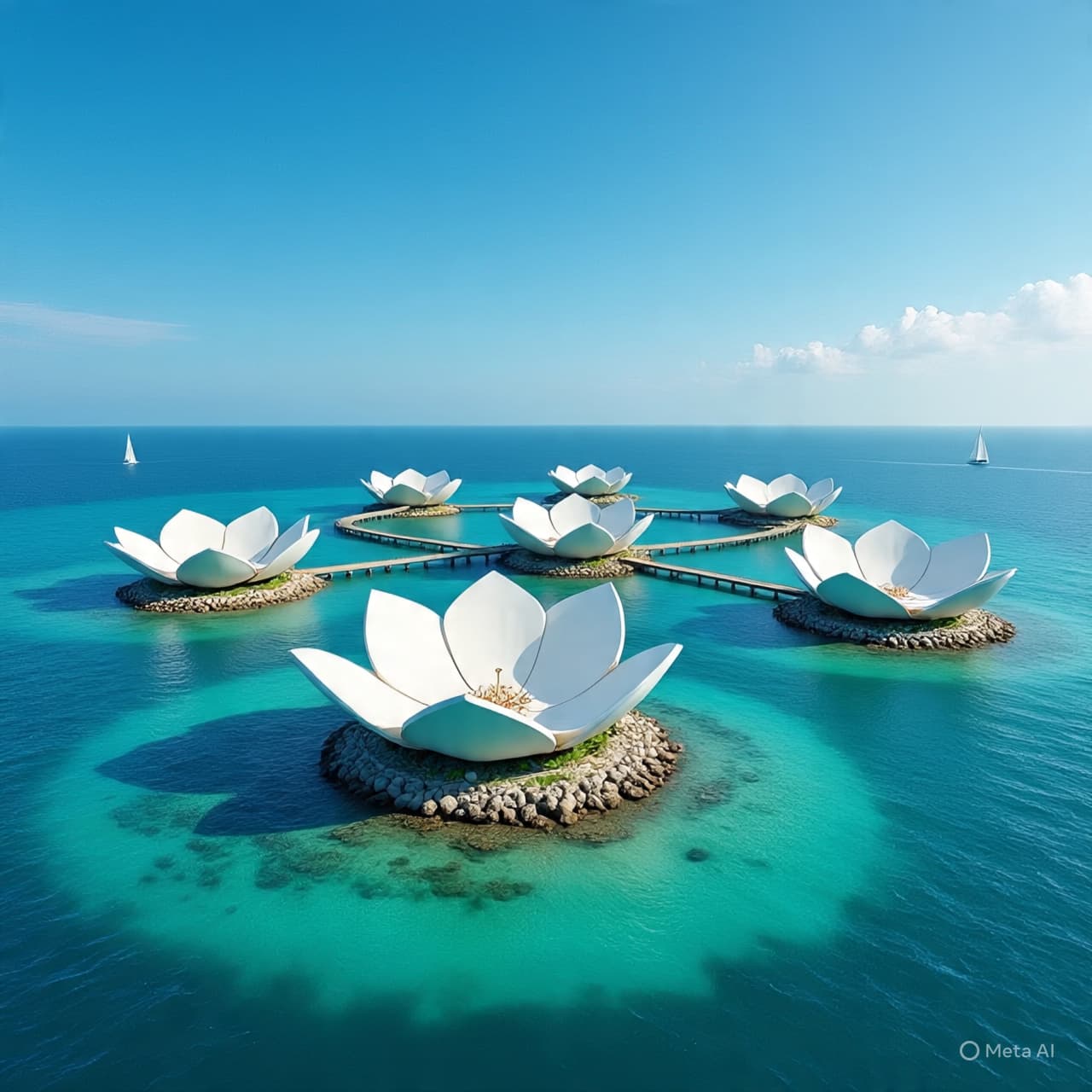
Ocean Flower Island, located off the southern coast of Hainan province, China, was envisioned as a luxurious getaway, drawing comparisons to Dubai's iconic Palm Islands. With an estimated cost of $12 billion, this ambitious project promised to reshape the coastal landscape with artificial islands, high-end hotels, and entertainment venues. However, beneath the glitzy surface lies a cautionary tale about the perils of unchecked ambition and the fragility of economic assumptions.
Developed by China Evergrande Group, once a titan in the property sector, Ocean Flower Island was born during a time of rapid urbanization and easy credit. The project was not just a construction endeavor; it was a manifestation of a philosophy that relied heavily on debt. Developers like Evergrande borrowed extensively, banking on the belief that future sales would cover current liabilities. This approach allowed for grand visions to materialize, but it also set the stage for potential disaster.
As the Chinese housing market began to cool and regulatory measures tightened, the foundations of Ocean Flower Island started to show cracks. Sales dwindled, financing options became scarce, and Evergrande's financial health deteriorated under the weight of its obligations. What was once a beacon of confidence transformed into a stark reminder of the risks associated with speculative growth.
Today, Ocean Flower Island stands largely unfinished, with its towers casting long shadows over the sea. Construction has stalled in many areas, leaving behind a landscape of incomplete structures and abandoned plans. For many observers, the site has shifted from a potential tourist destination to a poignant lesson about the consequences of debt-driven expansion outpacing actual demand.
The story of Ocean Flower Island is not an isolated incident; it reflects a broader narrative in China's economic landscape. Property development has historically served as a key driver of growth and a means for households to invest their savings. However, as the government pivots towards financial discipline and sustainable growth, the fate of projects like Ocean Flower Island has taken on greater significance. It raises critical questions about how to unwind excesses and who will ultimately bear the financial burden.
Stakeholders, including local governments, creditors, homebuyers, and workers, are all intertwined in the outcome of this project. The challenge extends beyond managing a single development; it involves navigating a transition away from growth models that once yielded rapid returns but are now revealing their limitations. Just as reclaimed land must settle over time, so too must the economic foundations of such ventures find a new equilibrium.
As it stands, Ocean Flower Island serves as a stark reminder of an era characterized by unbridled confidence in perpetual growth. Its future remains uncertain, influenced by ongoing restructuring efforts, policy shifts, and market realities that no longer favor sheer scale. The narrative surrounding the island has already entered the broader discourse on debt, development, and the need for restraint in an evolving economic landscape.
In practical terms, the project is currently under evaluation as part of Evergrande's restructuring process, with Chinese authorities closely monitoring the associated risks within the property sector. Construction has slowed significantly, ownership issues linger, and the long-term vision for Ocean Flower Island within Hainan's development framework continues to be a topic of debate.
Published by Banx Network. This article is part of the Banx decentralized media programme, powered by the BXE token on the XRP Ledger.