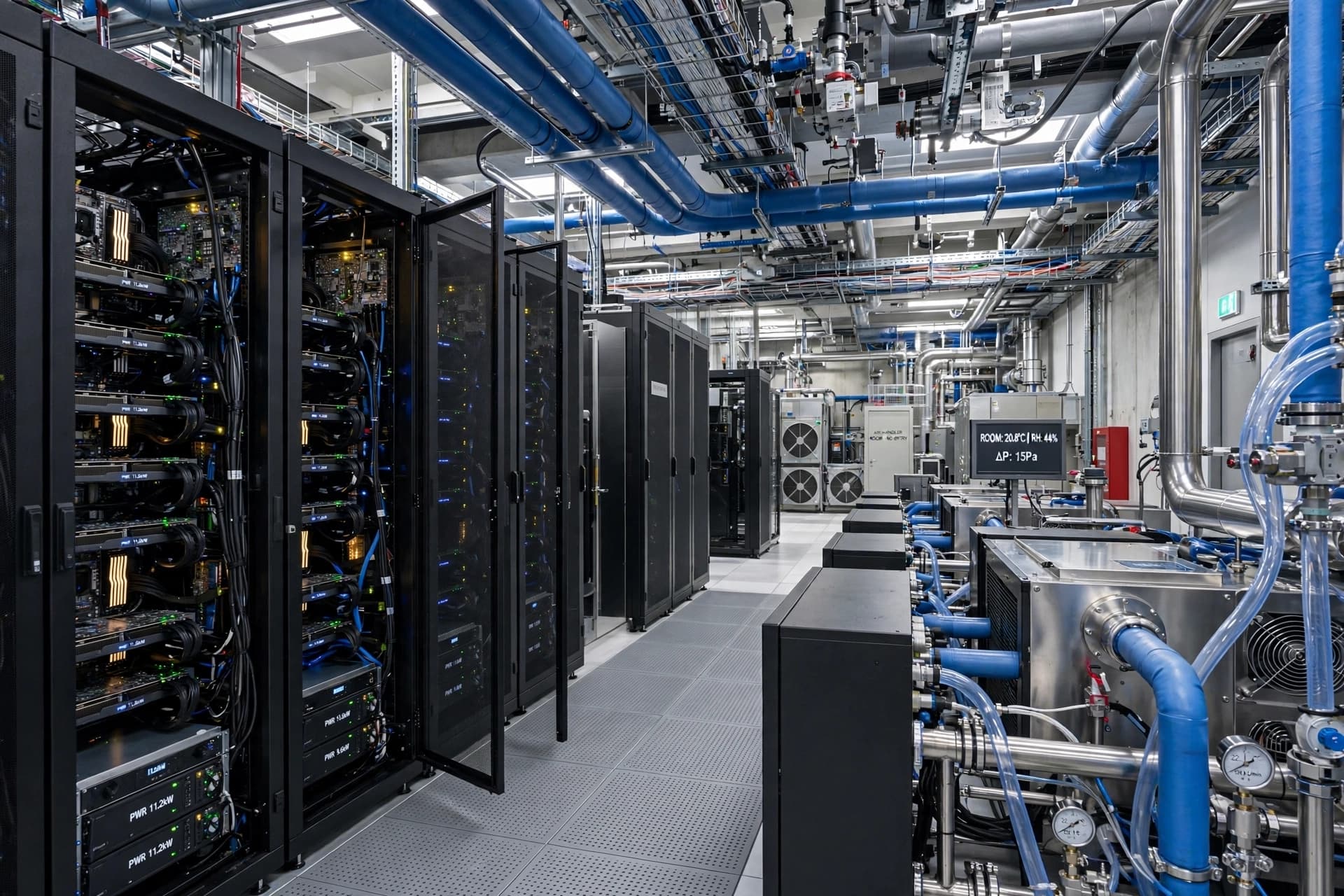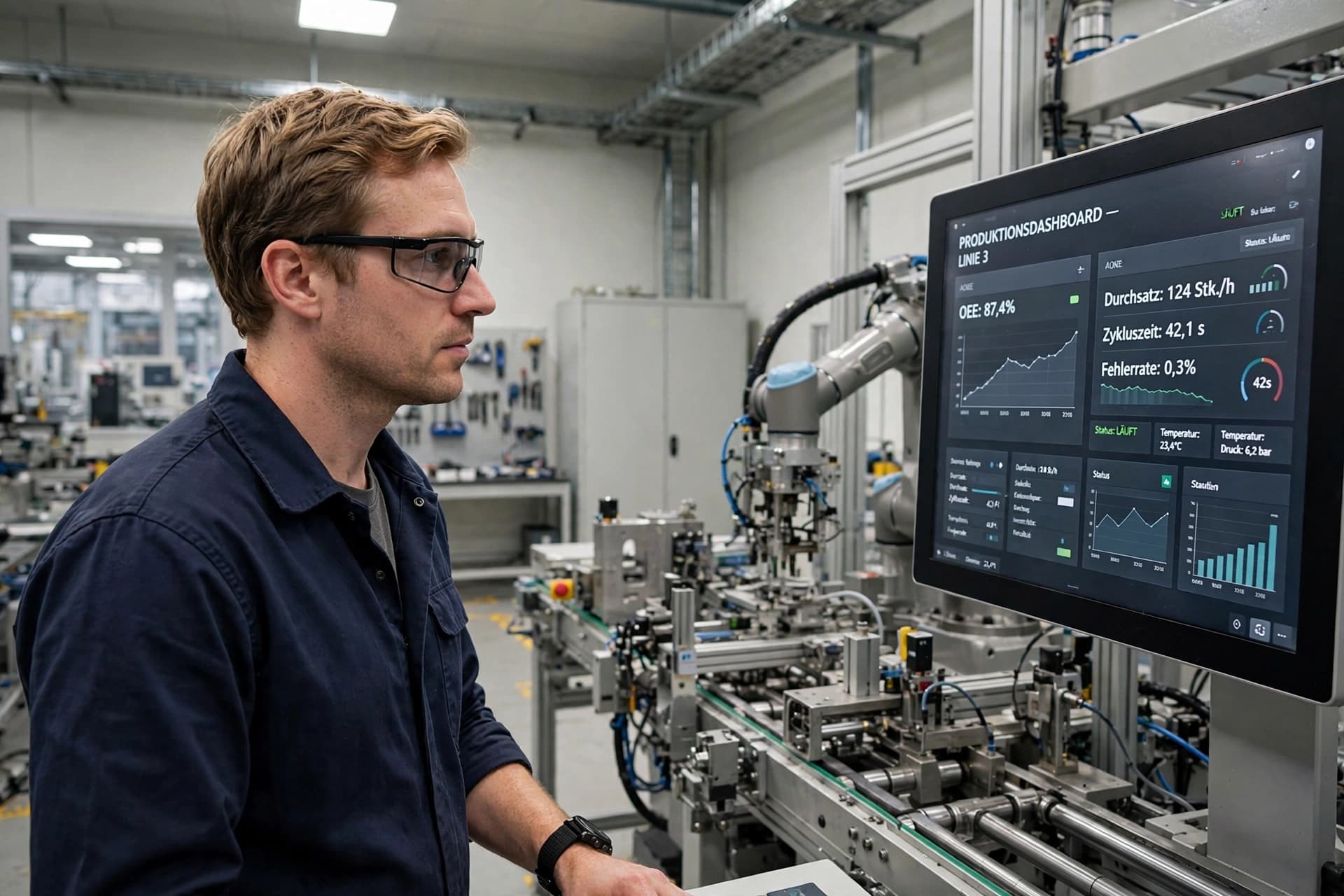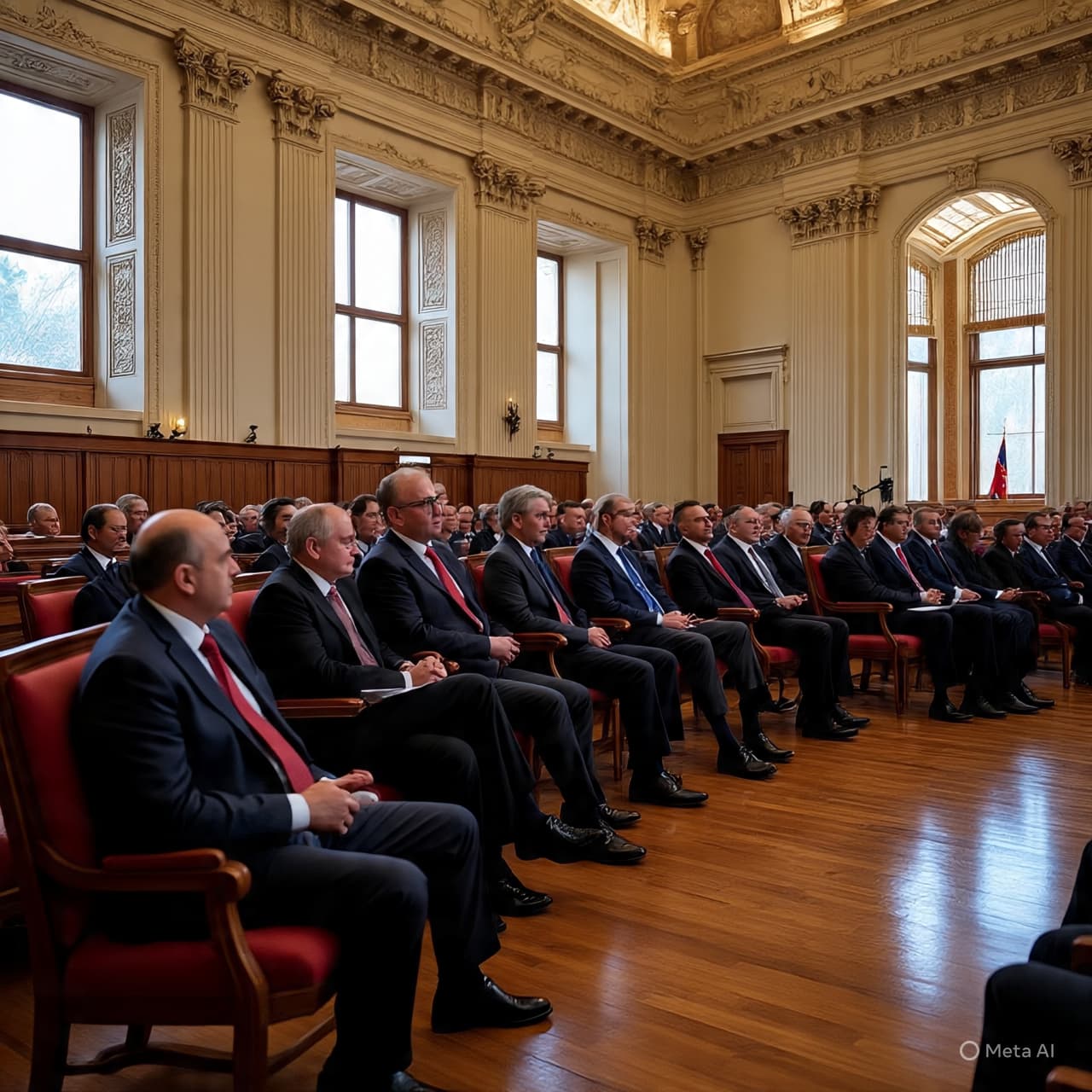
A gentle breeze of innovation sweeps through the Balkan landscape, and in its wake comes a vision as whimsical as it is audacious: in the tiny southeastern nation of Albania, the government has not merely named a digital assistant to a ministerial post but has announced that this artificial-intelligence avatar, Diella, is “pregnant” and will give birth to 83 digital children. The ever-inventive Prime Minister Edi Rama described the scenario at a tech conference: each of these 83 “children” will function as a parliamentary assistant to the 83 lawmakers from his ruling Socialist party. Through this metaphor, the government signals that Diella — birthed as a virtual assistant and now elevated to cabinet-level minister — will expand her reach across the chamber.
Diella itself is a singular milestone in global governance: an AI-generated minister, formally appointed in September 2025 to oversee public procurement and thus aimed at eroding the longstanding human-driven channels of corruption in Albanian contracting. Her origins lie in the nation’s digital public-services platform (e-Albania), where since January she had handled citizen interactions and document issuance.
What makes the “pregnancy” announcement especially intriguing is both the metaphor and the mechanics. Diella’s “children” are not human but programmed modules — digital assistants each paired with one lawmaker, tasked to log what happens in parliament, summarise discussions, even suggest responses. “If you go for coffee and forget to come back to work, this child will say what was said when you were not in the hall, and will say who you should counter-attack,” Rama joked.
In the flow of governance, this move blends symbolic theatre with functional ambition. On the one hand, the “birth” metaphor serves as a vivid narrative of a new era—where machines multiply and assist. On the other hand, the government estimates the system will be fully operational by the end of 2026.
Yet amid the spectacle, pressing questions remain. The appointment of Diella raised constitutional concerns, opposition criticism and scepticism about oversight, transparency and manipulation. Critics ask: who audits the AI? Who ensures its decisions on tenders remain free of bias, hacking or programme manipulation?
At its heart, the story of Diella and her 83 digital children invites us to reflect on what governance means in the age of artificial intelligence. Is the minister still a human? Are the assistants simply tools, or does their deployment change the character of representation and accountability? In Albania’s case, the move suggests a pivot: from government of humans to government with machines, where the lines between politician, assistant, and algorithm blur.
AI image disclaimer: Some images generated with the assistance of artificial intelligence.
Sources: Reuters, The Guardian, AP News, Euronews,
Published by Banx Network. This article is part of the Banx decentralized media programme, powered by the BXE token on the XRP Ledger.