In the cool dawn of East Asian geopolitics, clouds that once seemed distant and wispy now carry the weight of concern. The rhythm of trade, like seasonal winds across open seas, has carried the promise of connection between long-standing neighbors. Yet most recently, those winds have shifted, beckoning sailors and statesmen alike to heed a subtle shift in direction — a rippling change in China’s trade currents that has stirred a quiet unease all the way to Tokyo’s harbor.
This week, Beijing announced a tightening of export controls on items bound for Japan, specifically those with dual-use potential — goods that might serve peaceful industry or, in a different context, contribute to military capabilities. As stated by China’s Ministry of Commerce, the policy is framed as a response to developments it perceives as veering into the realm of security risks. The move applies to exports that could be used by Japanese military users or otherwise enhance military capabilities.
From Tokyo’s perspective, the decision struck a discordant note. Japanese officials described the action as “absolutely unacceptable and deeply regrettable,” underscoring concerns that such trade measures — especially if they touch on critical materials like rare earth elements — could unsettle delicate supply chains within its advanced manufacturing sectors.
Analysts gently remind us that export controls are not, in themselves, unknown instruments of statecraft — they have long existed in various forms across the world. Yet the timing and context of this particular policy — closely linked to recent remarks by Japan’s prime minister about Taiwan — have lent the announcement a resonance that reaches well beyond bureaucratic language into the realm of geopolitical symbolism.
Rare earths, electronic components, drone navigation systems — materials and technologies that intertwine civilian progress with defense applications — sit at the heart of global supply networks. They have become threads connecting economies in ways both resilient and precarious. A disruption, even temporary, sends tremors that reverberate from boardrooms in Tokyo to manufacturing floors in Osaka and beyond.
Across diplomatic channels, each government articulates its rationale with calm insistence: Beijing speaks of safeguarding national security and fulfilling legal duties, while Tokyo emphasizes the importance of stable trade and mutual respect. Between these expressions lies a complex tapestry of history, shared economic interests, and the ever-present questions about regional stability around Taiwan.
Observers of Asia’s geopolitical climate often remind readers that international relations resemble a tide more than a static map — sometimes ebbing gently and other times cresting in unexpected ways. In this moment, the ocean between Beijing and Tokyo appears choppier than it was last year, not storm-tossed, but enough to prompt a reflective pause among those who depend on these waters for commerce and dialogue alike.
Whether this latest weather pattern settles into a new normal or unfolds into further policy responses remains to be seen. Yet the shared landscapes of trade and diplomacy suggest that even amid tension, there remain channels for conversation, if not calm understanding, over time.
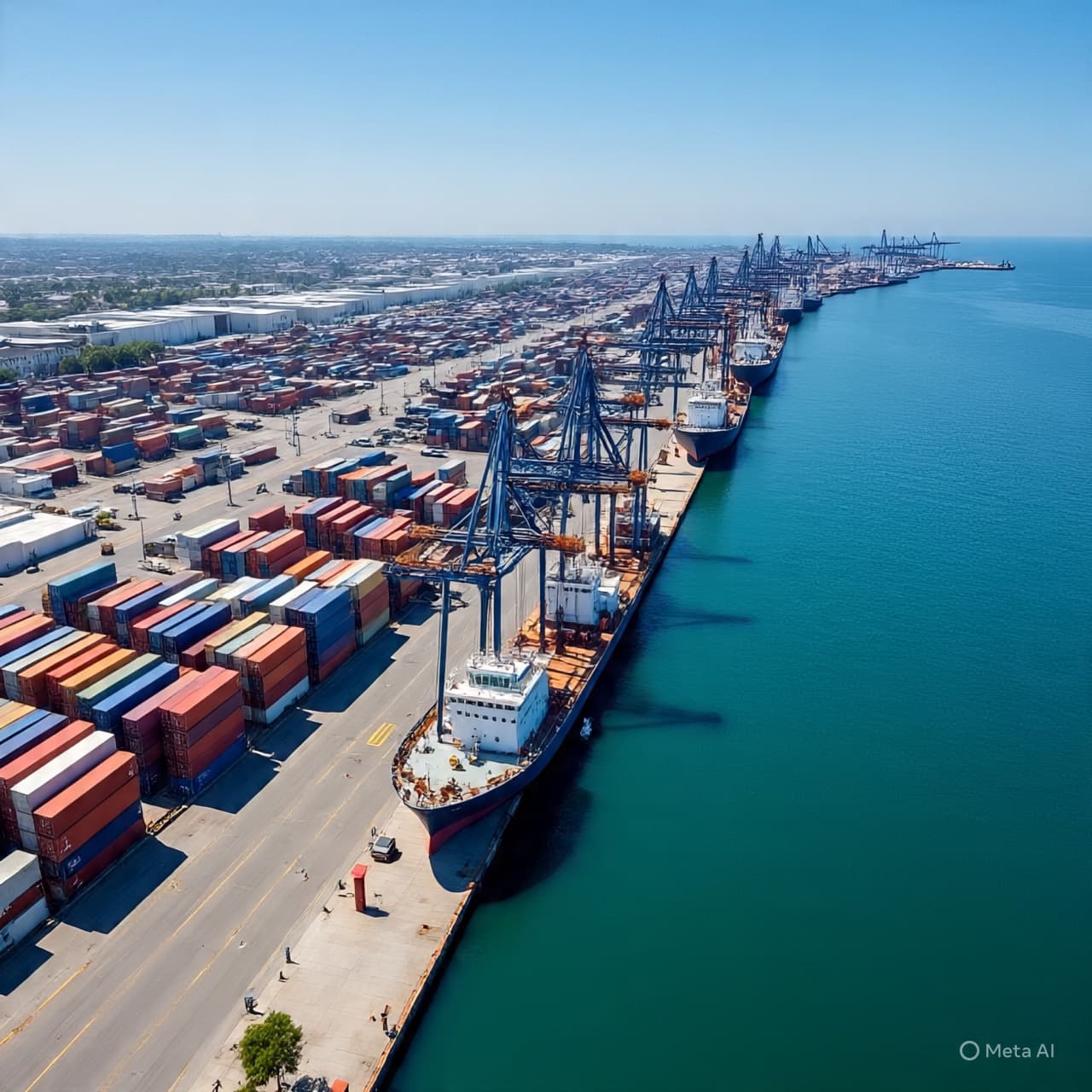
AI Image Disclaimer “Visuals are created with AI tools and are not real photographs; they provide conceptual representations.”
Sources (Media Names Only):
• Bloomberg
• Reuters
• AP News
• The Straits Times
• Global Times (as reference to official Chinese position)
Published by Banx Network. This article is part of the Banx decentralized media programme, powered by the BXE token on the XRP Ledger.