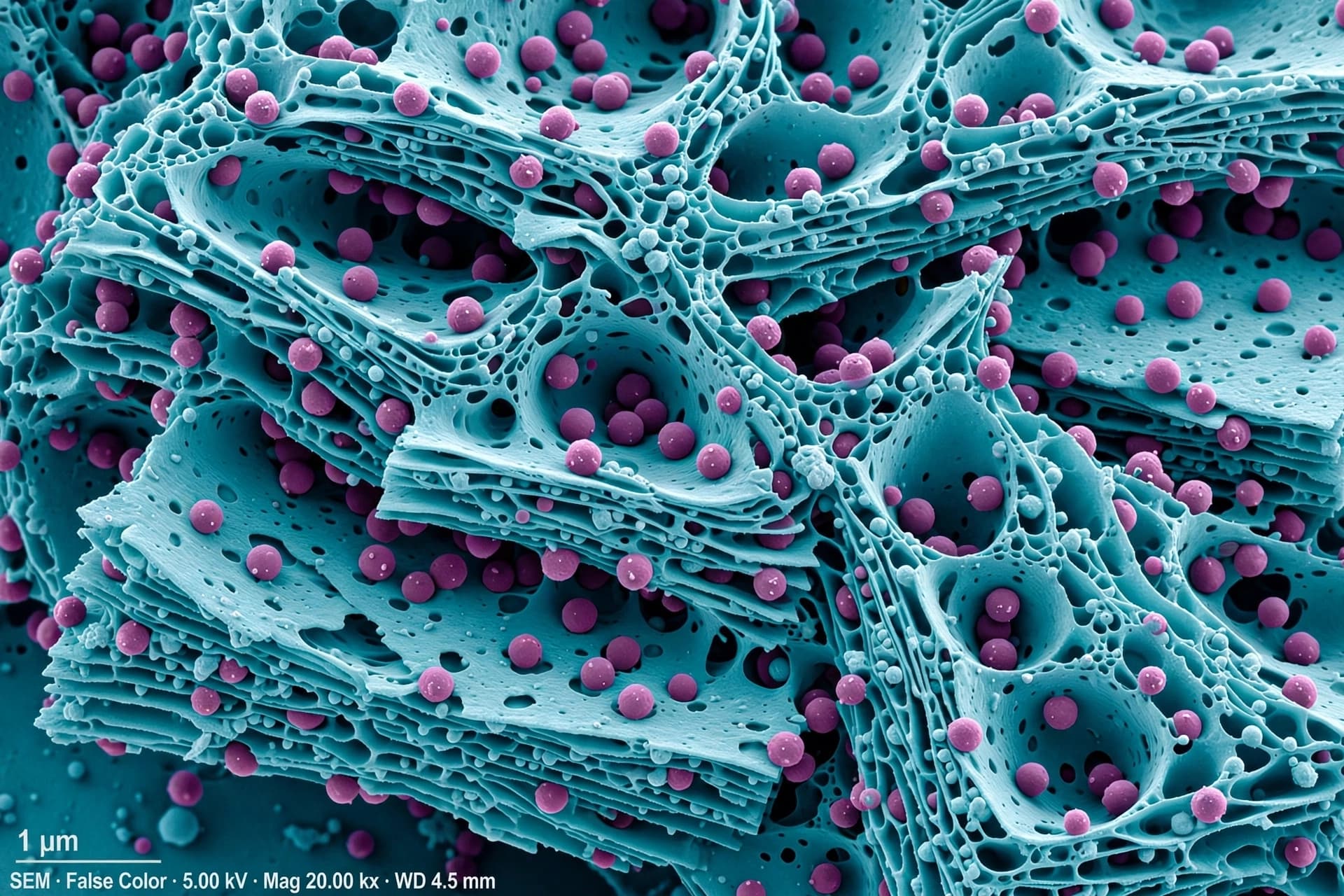
There are moments in medicine when progress does not arrive with force, but with a quiet inversion of expectation—when what was once feared begins, cautiously, to heal. Bacteria, long associated with illness and infection, now stand at the threshold of a different role. Not as invaders, but as unlikely allies, moving through the hidden landscapes of the human body with a new purpose.
In recent research, scientists have begun engineering bacteria capable of infiltrating tumors and breaking them down from within. The idea, at first glance, feels almost paradoxical: using living microorganisms to consume one of humanity’s most persistent diseases. Yet, beneath this apparent contradiction lies a carefully designed biological strategy.
Tumors are not uniform masses; they are complex ecosystems. Deep within them are regions starved of oxygen—areas where conventional treatments such as chemotherapy and radiation often struggle to reach effectively. It is precisely in these difficult, low-oxygen environments that certain bacteria naturally thrive. By harnessing this tendency, researchers are transforming bacteria into targeted delivery systems, capable of navigating where traditional therapies falter.
Once inside the tumor, these engineered bacteria can be programmed to do more than simply exist. Some are designed to release toxins that selectively kill cancer cells. Others trigger immune responses, effectively turning the body’s own defenses against the tumor. In some experimental approaches, bacteria even act as microscopic “factories,” producing therapeutic compounds directly at the site of disease.
The result is not an immediate cure, but a shift in how treatment might be imagined. Instead of attacking cancer solely from the outside—through drugs or radiation—this method suggests a quieter, internal unraveling. The tumor, rather than being bombarded, is gradually disrupted from within, its structure weakened by the very organisms it cannot easily repel.
Still, the path forward remains careful and measured. Safety is central to every step. Scientists must ensure that these engineered bacteria can be controlled, that they do not spread beyond their intended targets, and that their activity can be stopped if necessary. Early studies, including those conducted in controlled laboratory and animal models, have shown promising results, but human applications require further validation through clinical trials.
There is also a broader reflection embedded in this work. It challenges long-held perceptions—not just of disease, but of the biological world itself. The same organisms once viewed solely as threats may, under precise guidance, become instruments of healing. It is a reminder that nature rarely fits into simple categories; its roles shift depending on how we learn to engage with it.
In the evolving story of cancer treatment, this approach does not replace existing therapies, but it adds a new dimension. A quieter strategy. One that operates in the unseen spaces, where complexity has long resisted intervention.
As research continues, the language around such innovations remains cautious, grounded in evidence and incremental progress. Yet there is, undeniably, a sense of possibility taking shape—not in dramatic breakthroughs, but in the steady reimagining of what medicine can do.
And perhaps that is where its significance rests: not in overturning everything we know, but in gently expanding the boundaries of how healing itself might occur.
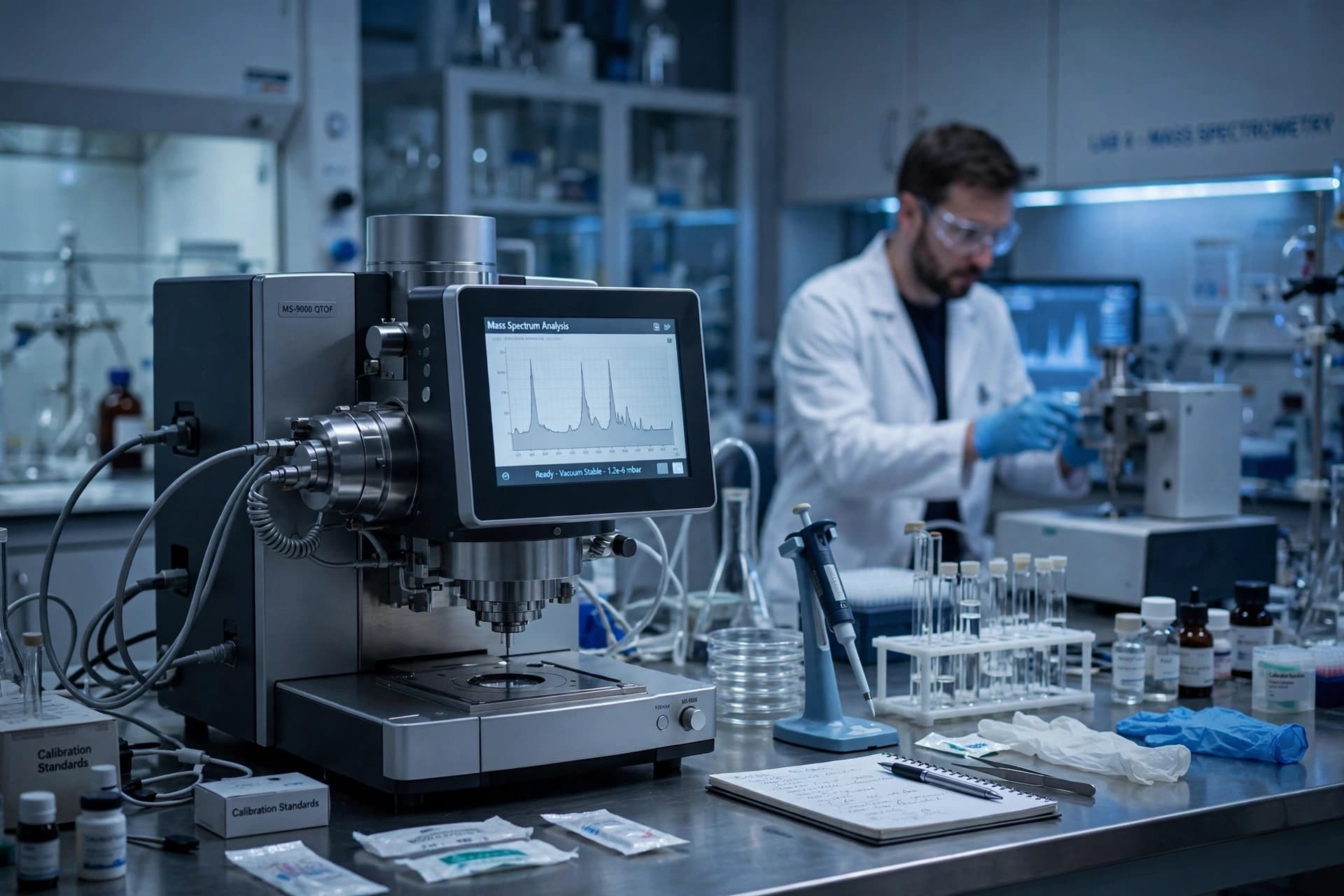
AI Image Disclaimer Visuals are created with AI tools and are not real photographs.
Source Check Credible sources found:
Nature Science MIT Technology Review The Guardian Live Science
Published by Banx Network. This article is part of the Banx decentralized media programme, powered by the BXE token on the XRP Ledger.