In the delicate architecture of international diplomacy, moments of breakthrough often arrive with a quiet urgency, contrasting sharply with the loud tensions that precede them. Treasury Secretary Scott Bessent’s recent assertion that a deal with Iran to reopen the Strait of Hormuz could be finalized by Wednesday offers a glimpse of hope in a region long defined by its strategic volatility. This potential agreement is not merely a transactional arrangement but a pivotal step toward stabilizing global energy markets and easing geopolitical friction.
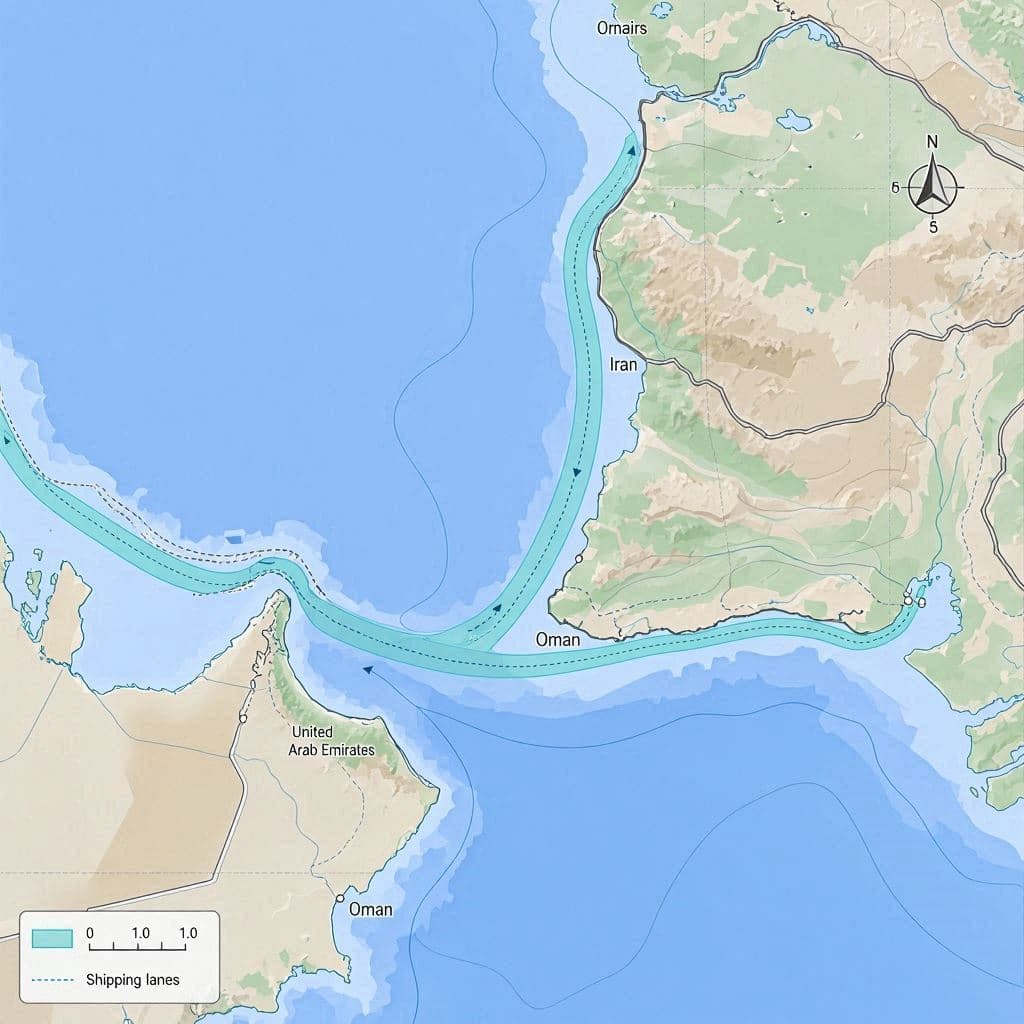
The Strait of Hormuz serves as a vital artery for the world’s oil supply, and its closure or threat thereof has always cast a long shadow over global economic stability. The prospect of reopening this crucial waterway through diplomatic means rather than military posturing represents a significant shift in approach. It suggests a willingness from both Washington and Tehran to prioritize mutual economic interests and regional security over entrenched ideological differences. The timeline mentioned by Secretary Bessent indicates a rapid progression in talks, reflecting the high stakes involved for both nations.
Negotiations have reportedly focused on a broader framework that includes not only the reopening of the strait but also discussions on nuclear capabilities and sanctions relief. The complexity of these issues requires careful balancing, as each concession carries domestic political weight in both capitals. For the United States, ensuring the free flow of commerce is a primary objective, while for Iran, the lifting of economic restrictions offers a path to revitalization. The interplay of these goals creates a fragile yet promising landscape for agreement.
Global markets have reacted with cautious optimism to the news, with oil prices stabilizing as investors anticipate a resolution. The economic implications of a reopened Hormuz are profound, affecting everything from fuel costs to supply chain logistics worldwide. This interconnectedness underscores why international cooperation is essential; no single nation can insulate itself from the ripple effects of disruption in such a critical chokepoint. The deal, if sealed, would serve as a testament to the power of dialogue in resolving complex international disputes.
However, the path to finalization is rarely smooth. Historical precedents remind us that last-minute hurdles can emerge, testing the resolve of negotiators. Trust remains a scarce commodity in US-Iran relations, built on decades of mistrust and conflicting actions. Both sides must navigate internal pressures from hardliners who may view compromise as weakness. The success of this endeavor depends not just on the signatures on a document but on the sustained commitment to implement its terms in good faith.
The role of mediators and international partners also cannot be overlooked. While the primary negotiations are bilateral, the support of allied nations and international organizations provides a necessary backdrop of legitimacy and assurance. Their involvement helps to monitor compliance and offer incentives for adherence to the agreement. This multilateral dimension adds layers of security to the deal, making it more resilient against potential setbacks.
As Wednesday approaches, the world watches with bated breath for news of a finalized agreement. The potential reopening of the Strait of Hormuz marks a significant moment in contemporary diplomacy, offering a chance for renewed stability and cooperation. Regardless of the immediate outcome, the effort itself highlights the enduring value of persistent diplomatic engagement in an uncertain world.
AI Image Disclaimer: The visual elements accompanying this report are AI-generated interpretations designed to reflect the diplomatic and geographic context of the story.
Sources: Associated Press Reuters CGTN
Published by Banx Network. This article is part of the Banx decentralized media programme, powered by the BXE token on the XRP Ledger.