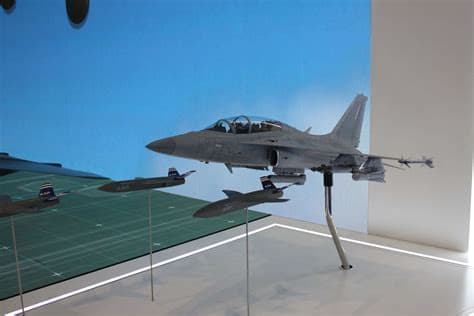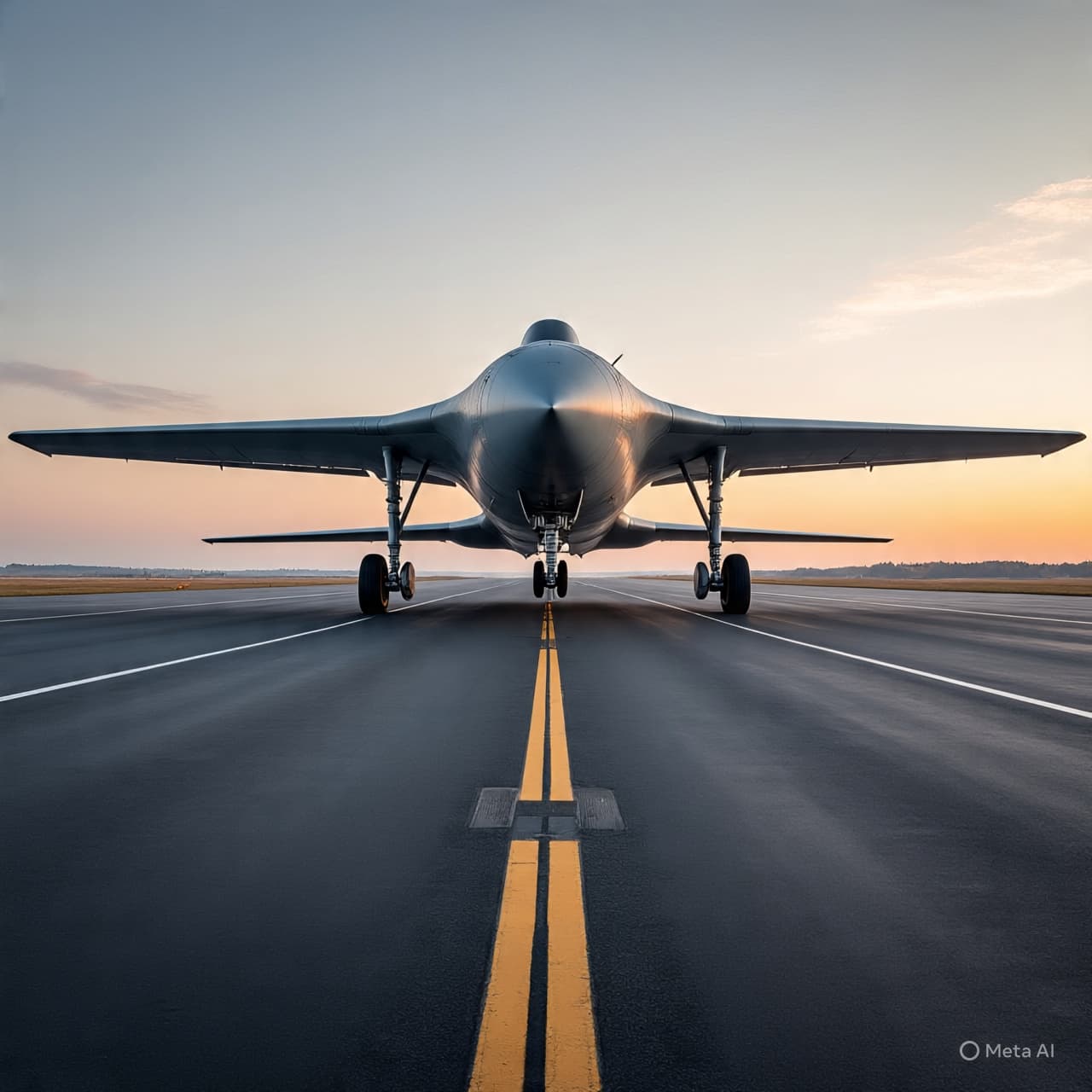
Once, drones needed runways.
They arrived with the sound of engines, the shadow of wings, and the weight of intent. Early unmanned aircraft were not subtle things. They were built like planes because they were planes—minus the pilot, plus a radio link. Steel, fuel, surveillance cameras, and weapons all piled into machines that weighed as much as trucks and announced their presence long before they were seen.
The story of drones began high above the ground, where distance promised safety and power. During the Cold War, unmanned aircraft were conceived as expendable eyes in hostile skies, able to fly where pilots might not survive. Their value lay in altitude, endurance, and the ability to carry sensors or explosives across borders. Bigger meant longer range. Heavier meant more capability. Precision, at that stage, came from height and hardware.
But technology has a habit of shedding weight.
As electronics shrank, guidance systems grew smarter. Sensors that once filled racks became chips. Cameras that demanded stabilizing platforms slipped into palms. The center of gravity of warfare shifted quietly, away from altitude and toward proximity. Drones no longer needed to loom. They could hover. They could slip between buildings, follow roads, wait outside windows.
The battlefield itself was changing. Wars moved into cities, into alleyways and interiors, into places where large machines became liabilities. A drone that could fly for hours was less useful than one that could dart through a doorway. Size, once an asset, became a constraint.
The next step was not flight at all.
Engineers began asking a different question: instead of building machines that imitate animals, why not use animals themselves? Nature had already solved problems of balance, locomotion, energy efficiency, and navigation. Cockroaches could survive impacts, squeeze through cracks, and orient themselves in darkness. Insects did not need GPS. They did not need propellers. They did not attract attention.
So the drone became a passenger.
By attaching tiny electronic backpacks to living insects—electrodes, transmitters, neural stimulators—researchers learned to guide movement without building legs from scratch. A signal here, a pulse there, and a cockroach could turn left or right, pause or advance. The animal supplied the muscle and resilience; the machine supplied direction.
This was not science fiction intruding on reality. It was engineering surrendering to biology.
The shift from tons-heavy aircraft to gram-weight cyborg insects reflects a deeper evolution in how power is imagined. Control no longer requires dominance of the sky. Surveillance no longer needs a lens that can be seen. The most effective tools are those that blend into their environment, that move like life rather than machinery.
Where early drones symbolized technological distance—operators thousands of miles away, screens replacing windows—cyborg insects collapse that distance entirely. They move at ground level, inside walls, beneath debris. They trade endurance for access, invisibility for intimacy.
This transformation also blurs boundaries that once felt clear. The drone is no longer purely mechanical. The organism is no longer fully autonomous. Ethics, long debated in the context of remote warfare, now confront questions of agency at the scale of nerves and reflexes. When a machine rides on a living body, responsibility becomes harder to trace.
The evolution of drones, then, is not simply a story of miniaturization. It is a story of humility. Of engineers learning that the most advanced systems may not look advanced at all. That the future of control may crawl, rather than fly.
From runways to rubble, from wings to antennae, the drone has followed the same path as technology itself—toward the small, the quiet, and the unseen.
AI image disclaimer Illustrations were created using AI tools and are conceptual representations, not real photographs.
Sources DARPA U.S. Department of Defense MIT Media Lab Nature IEEE Spectrum
Published by Banx Network. This article is part of the Banx decentralized media programme, powered by the BXE token on the XRP Ledger.