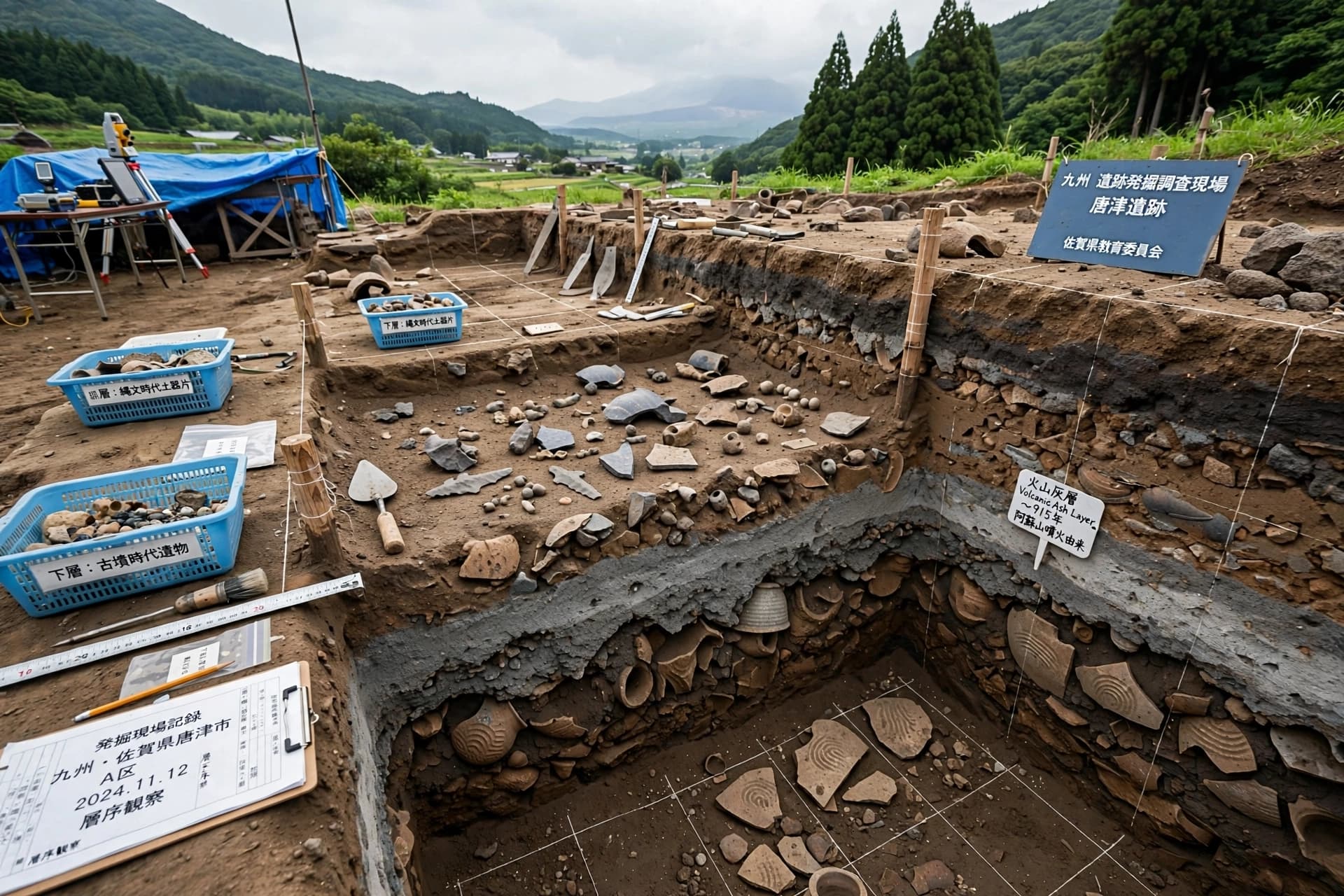
Beneath the rolling hills and mist-laden valleys of northern Britain, the echoes of a distant past have emerged from the soil. Scientists have revealed that the region’s oldest human remains belong to a young female child, her presence preserved through millennia in fragile bone. The discovery, enhanced by careful DNA analysis, offers a rare glimpse into lives lived long before written history, when communities moved across landscapes shaped by ice, river, and forest.
Archaeologists describe a delicate skeleton, small yet eloquent, speaking through its preservation of ancestry, diet, and health. The DNA traces lineages that intertwine with the story of Europe’s first settlers, revealing genetic markers that tie this child to populations who roamed far beyond northern Britain’s rugged terrain. For researchers, the find is a bridge between the past and present, linking our understanding of ancient migration, survival, and social life to the faces and stories of people who existed tens of thousands of years ago.
For the wider public, the discovery resonates beyond scientific data. It is a quiet reminder that history is composed not only of grand monuments and battles, but also of the ordinary—children, families, and the fleeting moments of everyday life. In the wind-swept landscapes where she once walked, this child’s life now illuminates a tapestry of continuity, survival, and the enduring human presence that shapes the world we inherit.
As laboratories process genetic codes and scholars debate interpretations, the small figure from northern Britain becomes a symbol: a touchstone connecting our curiosity to the resilience and fragility of humanity across time. In her silence, she speaks, carrying centuries of story in bones that finally meet the light.
AI Image Disclaimer
“Visuals are AI-generated and serve as conceptual representations.”
Sources
University of York BBC News The Guardian National Geographic Science Advances
Published by Banx Network. This article is part of the Banx decentralized media programme, powered by the BXE token on the XRP Ledger.