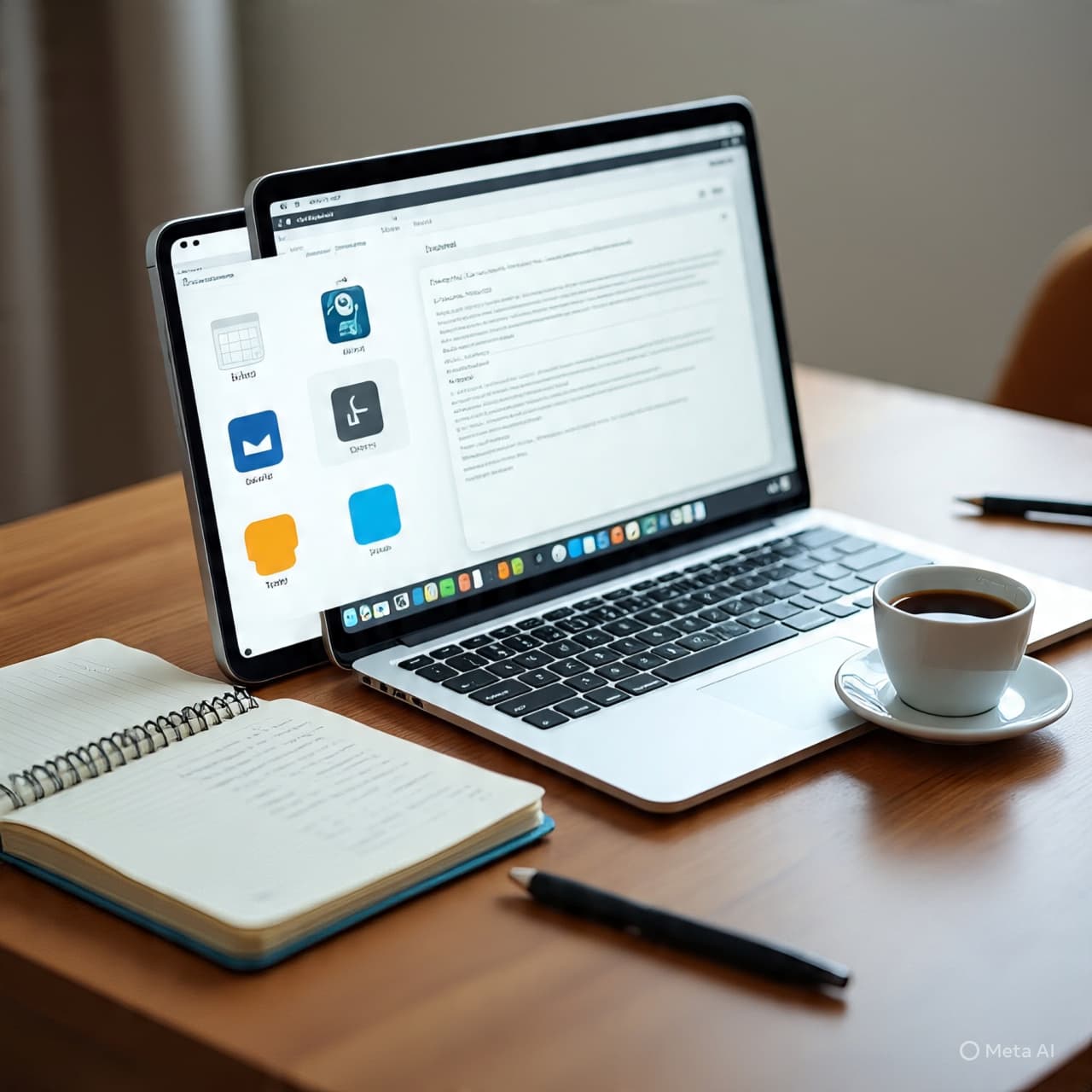
The hum of a phone in the palm of your hand often carries both possibility and obligation. Each app, a small window into convenience, can quietly demand attention, subscriptions ticking silently like clocks in the background. For years, these digital companions required monthly devotion, a quiet extraction of value masked as choice. Yet, in the gentle discovery of open source alternatives, there emerges a freedom both practical and subtle, a reclaiming of control that transforms routine interactions into intentional acts.
Replacing six subscription-based apps with free, open source counterparts is less a technical endeavor than a reflective exercise in digital curation. Email clients, note-taking tools, cloud storage, media players—each had previously exacted a small toll, their seamless interfaces coupled with ongoing payments. Yet the alternatives, crafted by communities rather than corporations, offer functionality without the subtle imposition of recurring fees. The interfaces may differ, the icons unfamiliar at first glance, but in the quiet persistence of use, they reveal a promise long forgotten: autonomy and transparency in one’s digital life.
Beyond the immediate practicalities, the shift is accompanied by a sense of lightness. Notifications no longer carry the weight of billing cycles. Data flows are more predictable, privacy is less compromised, and the rhythms of daily use are shaped by intention rather than contractual obligation. Each tap and swipe becomes a reminder that technology need not be transactional in perpetuity, that the digital realm can still offer spaces of generosity, crafted by collective effort rather than profit alone.
This experience extends beyond mere replacement. It is a subtle reflection on how convenience is framed, how the invisible costs of “free trial” or “premium feature” accumulate over time. In embracing open source alternatives, users are invited to slow down, to consider not just what a tool can do, but how it fits within the wider ecosystem of choice, agency, and trust. The freedom gained is quiet but tangible, a gentle reclamation of one’s digital landscape.
For Android users, the move toward open source solutions offers clarity without sacrifice. It demonstrates that necessity and creativity often reside in shared communities, that functionality and ethics need not be opposed. The transition is not abrupt but deliberate, and in that deliberation lies its reward: a smartphone experience untethered from subscription chains, lighter in cost and heavier in intentionality.
AI Image Disclaimer Illustrations were created using AI tools and are not real photographs.
Sources (Media Names Only) XDA Developers Android Police The Verge GitHub Blog MakeUseOf
Published by Banx Network. This article is part of the Banx decentralized media programme, powered by the BXE token on the XRP Ledger.


.jpg&w=3840&q=75 "The Artemis Revolution: How NASA Plans to Build Humanity's Future on the Moon")