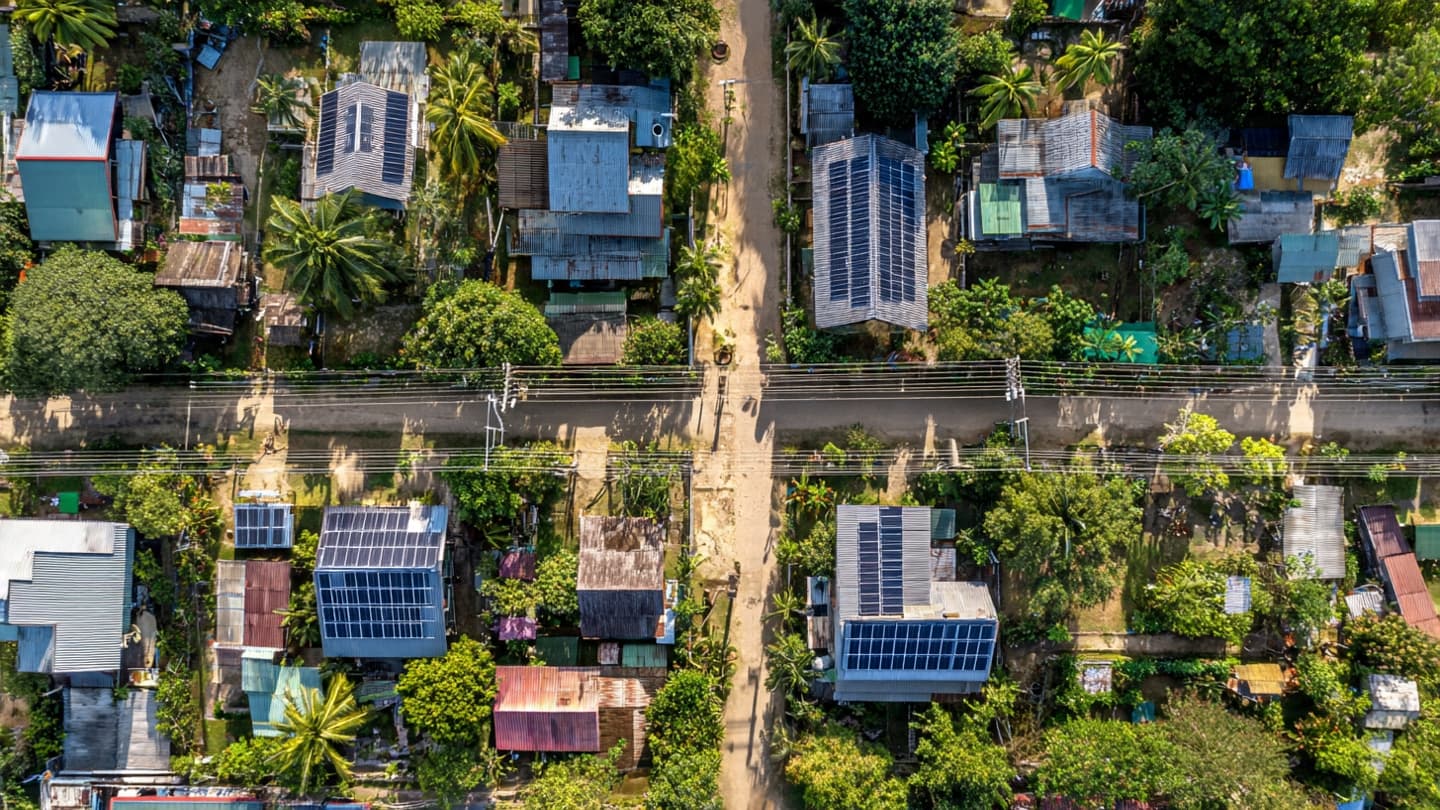
Thailand’s energy landscape is beginning to resemble a system searching for more than one road forward. Above homes, solar panels are spreading across rooftops, while beneath the sea authorities are examining potential domestic gas resources. Between these two directions lies a broader effort to reduce exposure to unpredictable global fuel markets.
The country is highly dependent on natural gas for electricity generation. More than 60% of Thailand’s power generation comes from gas, while more than a quarter of its gas supply is imported, making international LNG prices an important factor in domestic energy costs.
That exposure has become more visible as global energy markets experience disruption. Higher LNG prices can eventually place pressure on electricity costs, transportation and industrial production, particularly for an economy that imports a significant portion of its fuel requirements.
Thailand has therefore accelerated interest in rooftop solar. The government is planning a program targeting 5 gigawatts of rooftop solar capacity across one million households within a year, supported by subsidies and financing mechanisms.
The initiative would significantly expand distributed solar generation. Instead of relying exclusively on large centralized power stations, electricity could increasingly be produced closer to where households consume it.
At the same time, Thailand is looking at the other side of the energy equation: natural gas supply. Authorities have discussed exploring domestic offshore resources while also considering longer-term LNG contracts to reduce dependence on volatile spot-market prices.
The strategy reflects a broader regional shift. Across Asia, energy-importing economies have been reassessing their exposure to oil and LNG as geopolitical disruptions demonstrate how quickly international supply routes can affect local energy systems.
Renewable energy provides one form of diversification, but it also requires grid investment, storage and careful management of variable electricity production. Gas, meanwhile, can provide flexibility for the power system but remains vulnerable to international price movements when imported.
Thailand’s challenge is therefore not choosing one technology over another. The country is attempting to build an energy system with enough diversity to remain reliable while gradually increasing the role of cleaner sources.
For households and businesses, the changes may eventually appear in less visible ways—through electricity bills, rooftop installations, industrial energy contracts and new infrastructure. Behind those everyday details is a much larger effort to make Thailand’s energy system less exposed to shocks originating far beyond its borders.
AI Image Disclaimer: The following visuals are AI-generated conceptual illustrations of Thailand’s changing energy infrastructure and are not photographs of specific projects.
Sources: Reuters Thailand Ministry of Energy International Energy Agency EY Thailand
Published by Banx Network. This article is part of the Banx decentralized media programme, powered by the BXE token on the XRP Ledger.