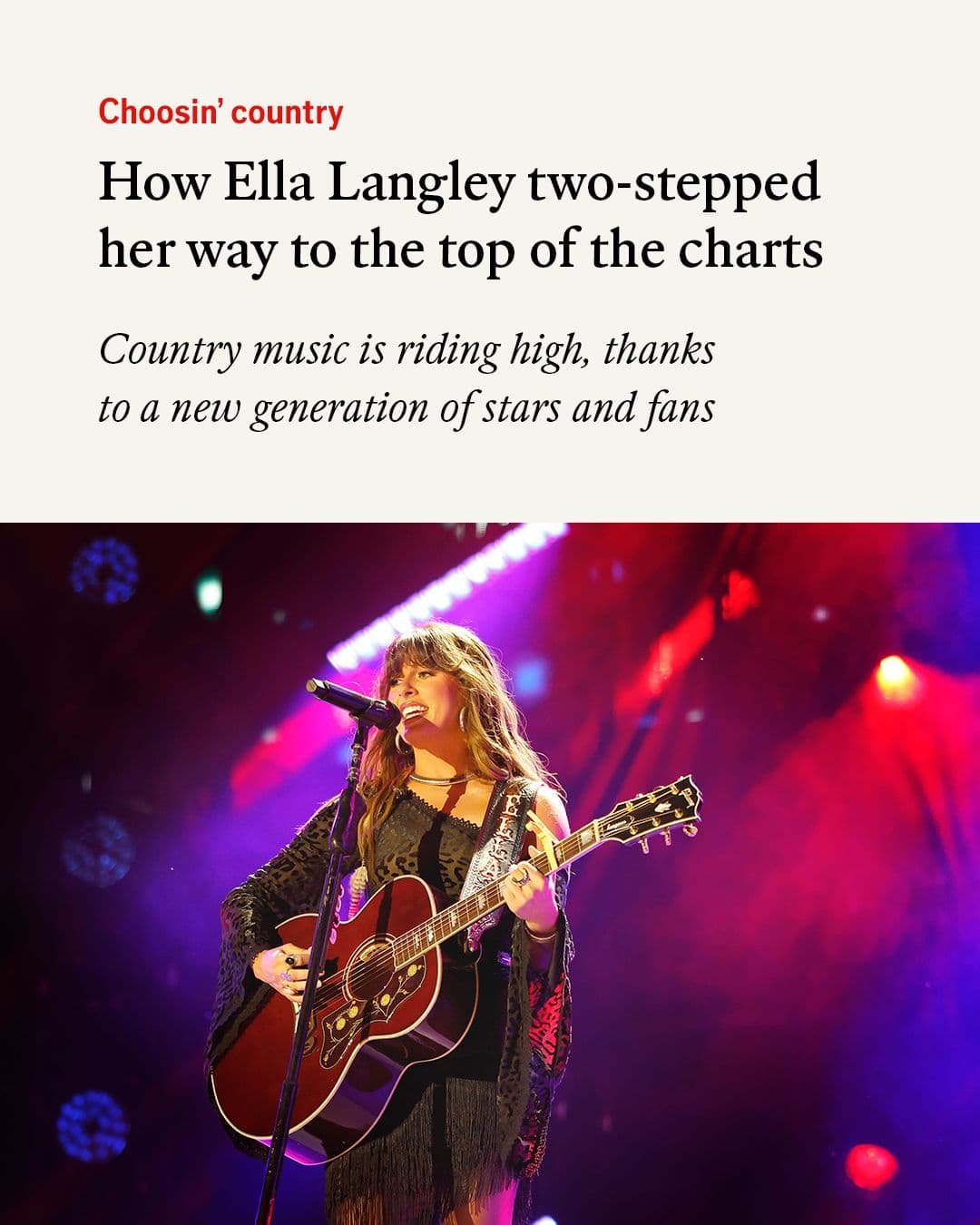
Country music is reaching new audiences as younger listeners discover the genre through social media, streaming platforms and artists who combine traditional musical influences with contemporary cultural trends. A report highlighted by The Economist focuses on Ella Langley and the growing appeal of Americana among Generation Z. Its central theme is that younger audiences are increasingly embracing country music's distinctive visual style, storytelling traditions and musical identity. Langley's growing visibility reflects a wider opportunity for country artists to connect with listeners beyond the genre's traditional audience. Digital platforms have changed how musicians introduce their work, allowing songs to circulate among communities that may previously have had little exposure to country music. For emerging artists, this shift can be particularly important. A song can gain attention through a short video, a live performance or a fan-created clip before listeners explore the artist's wider catalogue. Streaming services can then turn initial curiosity into sustained engagement. Country music also offers a distinctive combination of storytelling, emotional expression and recognizable instrumentation. Songs frequently explore relationships, personal struggles, small-town experiences, ambition and the contradictions of everyday life. These themes can resonate with listeners regardless of where they live or how familiar they are with the genre. The renewed interest in Americana also demonstrates how cultural trends can move across generations. Younger listeners may discover older musical traditions through modern artists, reinterpret familiar styles and create new communities around music that previously seemed associated with different age groups. Langley's stage presence and performance style, highlighted in the post, contribute to her public image as an artist connecting traditional country influences with contemporary audiences. However, an artist's long-term success depends on more than visual identity or a moment of online popularity. Consistent songwriting, distinctive performances, audience loyalty and the ability to develop a recognizable musical identity all contribute to sustained careers. Artists must also navigate an increasingly competitive environment in which listeners have access to enormous catalogues of music from around the world. Streaming platforms have made music discovery easier, but they have also increased the pressure on performers to maintain engagement. Songs compete for attention across multiple services, and a temporary surge in popularity does not automatically guarantee long-term commercial success. For the country music industry, attracting younger listeners could strengthen its future audience base. New fans may attend concerts, purchase merchandise, follow artists online and explore earlier recordings. Their participation can help create demand across several parts of the music business. The trend also creates opportunities for artists who are comfortable operating across musical categories. Contemporary country can incorporate elements of pop, rock and other styles while retaining themes and sounds associated with its roots. This flexibility can help artists reach audiences without completely abandoning the genre's established identity. However, the growing visibility of Americana does not mean every young listener is turning toward country music. Music preferences remain diverse, and the popularity of individual performers varies across markets and demographic groups. Understanding the trend requires examining streaming data, concert attendance and other evidence alongside cultural commentary. The Economist's coverage presents Langley as an example of how digitally connected stars can find new fans. Her visibility illustrates the potential for artists to use modern distribution channels to introduce country music to audiences who might otherwise have overlooked it. Ultimately, the genre's future will depend on its ability to balance tradition with experimentation. If artists can preserve the emotional storytelling that defines country music while connecting with younger audiences through contemporary platforms, the genre may continue expanding its cultural reach.
Published by Banx Network. This article is part of the Banx decentralized media programme, powered by the BXE token on the XRP Ledger.